Delhi CM Rekha Gupta Urges Citizens to Keep Water Out for Birds, Animals

Synopsis
Delhi Chief Minister Rekha Gupta on 29 May 2026 appealed to residents to place water bowls outside for birds and stray animals during the summer heat, framing the small gesture as a civic lifeline under her #ViksitDelhi campaign.
Key Takeaways
Delhi CM Rekha Gupta posted an appeal on 29 May 2026 asking citizens to keep water bowls outside homes, offices, and rooftops.
The appeal targets relief for birds and stray animals suffering in Delhi 's summer heat.
The post is tagged #ViksitDelhi , linking the gesture to the administration's participatory urban development narrative.
Similar citizen-driven water campaigns have been promoted by Indian municipal bodies since the early 2010s .
Follow-up action from Delhi 's municipal corporations on formal water points or animal shelters is anticipated during peak summer months.
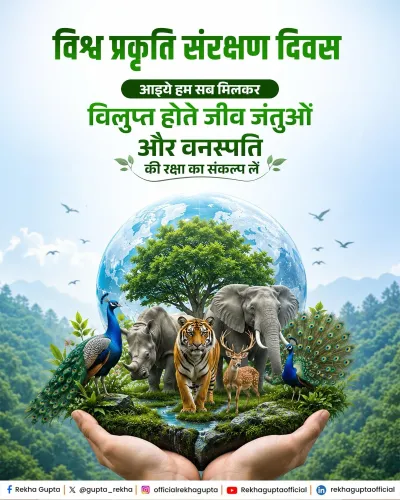
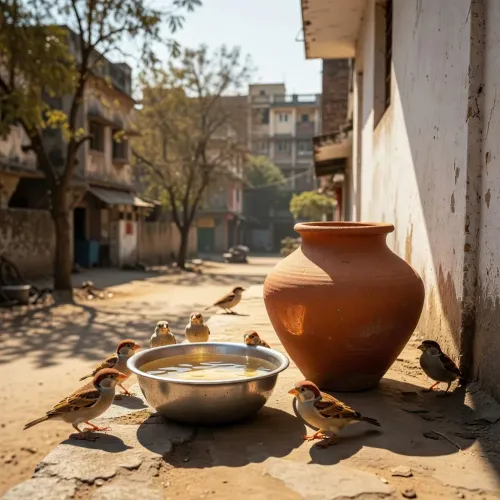
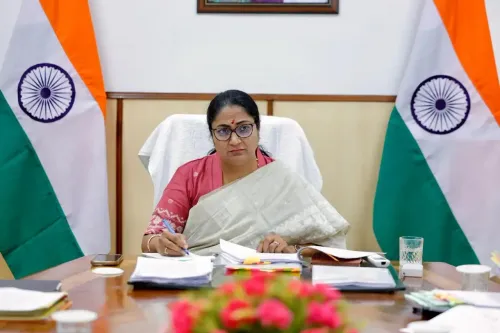
Delhi Chief Minister Rekha Gupta on Friday, 29 May 2026, appealed to residents of the capital to place bowls of water outside their homes, offices, and rooftops during the ongoing summer heat, calling it a simple act that could serve as a lifeline for thirsty birds and stray animals.
Context
Posting on X under the hashtag #ViksitDelhi, CM Gupta wrote: 'This summer, keep a bowl of water outside your home, office or rooftop. For a thirsty bird or a helpless animal, it may be the only source of relief in the scorching heat.' The appeal is directed at Delhi's urban population, which faces peak pre-monsoon temperatures that routinely stress both human and animal populations in the city.
The message frames a minimal individual effort — placing a water bowl — as a collective act of compassion, linking everyday citizen behaviour to the broader Viksit Delhi narrative of participatory urban development.
Policy Backdrop
Annual summer campaigns urging citizens to place water for birds and strays have been a feature of Indian municipal and state governance since the early 2010s. Delhi's municipal bodies have periodically issued similar advisories, particularly during periods when the India Meteorological Department (IMD) issues heat alerts for the Indo-Gangetic Plain.
Indian leaders across the political spectrum have used low-cost social media messaging on heat mitigation and animal welfare as part of urban governance outreach. Such posts typically coincide with the pre-monsoon window — roughly May to June — when north Indian cities experience their most severe heat stress and surface water sources for wildlife dry up rapidly.
Stakeholders and Impact
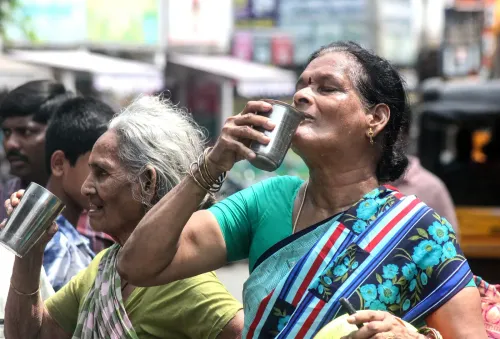
Delhi's urban wildlife — including sparrows, pigeons, crows, mynas, and a large population of stray dogs and cats — faces acute dehydration risk when ambient temperatures rise sharply and natural water sources are scarce. Resident welfare associations and animal rights groups in the city have long advocated for exactly this kind of distributed, citizen-driven water provision as a complement to formal shelter and feeding programmes.
For Delhi's roughly 20 million residents, the ask is deliberately low-barrier: a single bowl of water placed in an accessible outdoor spot. The symbolic weight of the appeal, however, is significant — it positions the city's administration as one that views civic responsibility as extending to non-human urban inhabitants.
What's Next
Observers will watch whether Delhi's municipal corporations follow up with structured advisories on community water points or temporary animal shelters ahead of peak summer. If the #ViksitDelhi campaign gains traction on social media, it could prompt coordinated neighbourhood-level drives by resident welfare associations. The post signals that animal welfare and heat-resilience messaging will remain part of CM Gupta's public communication through the summer months.
Point of View
High-visibility civic messaging that costs the administration nothing while generating goodwill among animal lovers and environmentally conscious urban voters. By anchoring it to #ViksitDelhi, the BJP frames even small acts of compassion within its larger 'developed Delhi' political identity. The post fits a well-established pattern of Indian leaders using pre-monsoon heat alerts as an opportunity to demonstrate empathetic governance on social media. Whether it translates into structured municipal action — water kiosks, animal shelter advisories — will determine if the appeal is symbolic outreach or the opening move of a coordinated summer welfare drive.
NationPress
22 Sept 2026
Frequently Asked Questions
Why is Delhi CM Rekha Gupta asking people to keep water bowls outside?
CM Rekha Gupta is urging Delhi residents to place water bowls outside their homes and offices so that birds and stray animals have access to drinking water during the intense summer heat, when natural water sources dry up.
What is the #ViksitDelhi hashtag about?
#ViksitDelhi is a campaign hashtag used by Delhi's BJP-led administration to promote the idea of a developed, participatory Delhi where citizens contribute to the city's welfare alongside government efforts.
When did Rekha Gupta post this appeal?
The appeal was posted on Friday, 29 May 2026 , at approximately 10:13 AM IST, ahead of Delhi's peak summer period.
How can Delhi residents help birds and animals in summer heat?
Residents can place a bowl of clean water in an accessible outdoor spot — on a balcony, rooftop, outside an office, or near a garden — and refill it daily so birds and stray animals can drink during the hottest parts of the day.
Has Delhi government run animal welfare campaigns before?
Yes, Delhi's municipal bodies and successive state administrations have periodically run summer campaigns since the early 2010s urging citizens to provide water for birds and strays during heatwaves.