CM Rekha Gupta Issues Heatwave Advisory for Delhi
Synopsis
Delhi Chief Minister Rekha Gupta on 27 May 2026 issued a public heatwave advisory urging residents to stay hydrated, avoid direct sunlight, and provide water and shade for animals and birds as intense heat grips the national capital.
Key Takeaways
Delhi CM Rekha Gupta issued a heatwave advisory on 27 May 2026 via her official X account.
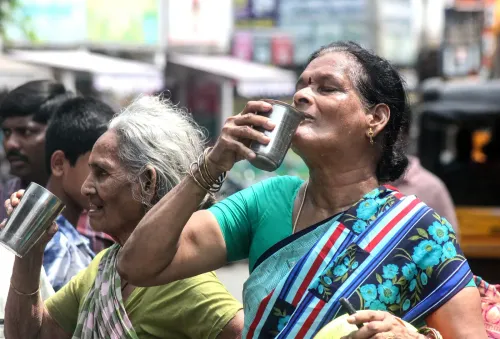
She urged all residents to drink adequate water, stay hydrated, and avoid exposure to intense sunlight.
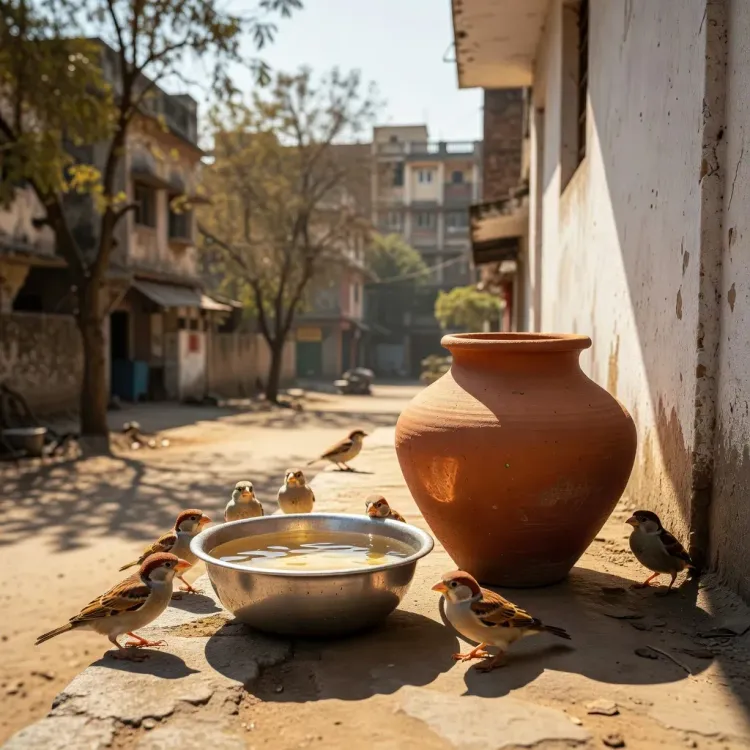
The advisory extended to animal welfare, asking citizens to arrange water and shade for animals and birds at homes, rooftops, balconies, and shops.
Delhi is among India's most heat-stressed cities, regularly experiencing urban heat island effects that amplify summer temperatures.
India's national heatwave response framework, developed after the 2015 disaster, guides state-level Heat Action Plans issued by the NDMA .
Formal municipal measures such as cooling centres and hydration drives may follow if heatwave conditions intensify.
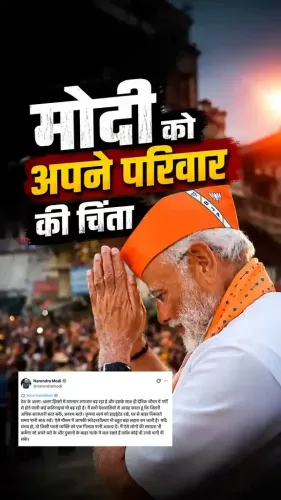
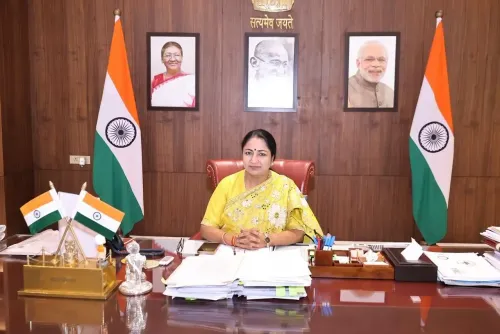
Delhi Chief Minister Rekha Gupta on Wednesday, 27 May 2026, issued a public appeal urging residents to protect themselves and their families amid an intense heatwave gripping the national capital, advising adequate hydration and avoidance of direct sunlight. The appeal, posted on her official X account, also called on citizens to ensure water and shade for animals and birds in their surroundings.
Context
In her post, CM Rekha Gupta wrote: 'भीषण गर्मी और लगातार बढ़ते तापमान के बीच आप सभी से मेरी अपील है' ('Amid intense heat and continuously rising temperatures, I appeal to all of you') — asking people to drink plenty of water, stay hydrated, and avoid harsh sunlight. She extended the advisory beyond human welfare, urging citizens to place water and arrange shade for animals and birds at homes, rooftops, balconies, shops, and nearby areas.
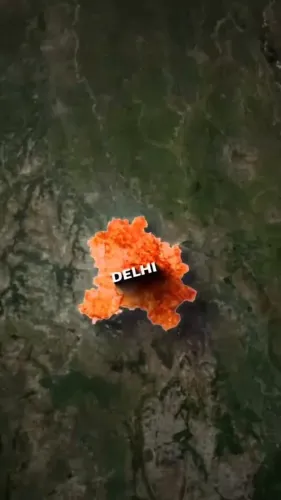
Delhi, India's national capital territory, is among the most heat-stressed urban centres in the country, regularly recording temperatures that trigger official heatwave thresholds during the summer months of April through June.
Policy Backdrop
India's heatwave response framework has evolved significantly since the 2015 heatwave that caused over 2,000 deaths nationally, prompting states and cities to adopt Heat Action Plans modelled on Ahmedabad's pioneering 2010 plan. The National Disaster Management Authority (NDMA) released national guidelines in 2016 for preparing and activating such plans across states.
Delhi administrations have periodically issued public advisories, expanded access to hydration points, and arranged shaded areas during peak summer months. Animal welfare measures — including community water stations — have featured in several municipal heat-response efforts in recent years.
Stakeholders and Impact
Delhi's dense urban population, including outdoor workers, the elderly, and children, face the greatest risk during sustained heatwave conditions. The urban heat island effect, driven by rapid urbanisation and reduced green cover, amplifies temperatures in built-up areas relative to surrounding regions.
The advisory's inclusion of animals and birds reflects a growing awareness in urban heat-response planning that stray and domestic animals are vulnerable populations often overlooked in standard disaster guidelines. Citizens and resident welfare associations are effectively being mobilised as first responders for neighbourhood-level relief.
What's Next
Observers will watch for the India Meteorological Department (IMD)'s daily heatwave bulletins for the Delhi-NCR region and any formal activation of municipal cooling centres or water distribution drives in the coming days. As temperatures remain elevated, the Chief Minister's public communication signals that the administration is in active advisory mode — and a structured governmental response, including possible deployment of hydration kiosks and community shelters, could follow if conditions intensify.
Point of View
High-visibility intervention that positions the BJP-led Delhi government as proactively responsive to a public health risk without committing to specific policy expenditure. The inclusion of animal welfare in the appeal broadens its emotional resonance beyond standard disaster-management messaging, appealing to a wider civic constituency. It fits a broader pattern of Indian chief ministers using social media to personalise governance during climate-linked emergencies, reinforcing proximity to constituents at a time when urban heat stress is becoming a recurring political and administrative challenge. Whether the advisory is followed by structured municipal action — cooling centres, water kiosks, or formal Heat Action Plan activation — will determine its substantive impact.
NationPress
10 Oct 2026
Frequently Asked Questions
What did Delhi CM Rekha Gupta say about the heatwave?
Delhi CM Rekha Gupta urged residents to drink plenty of water, stay hydrated, avoid direct sunlight, and provide water and shade for animals and birds amid intense heat conditions in the city.
Is there a heatwave in Delhi right now?
Delhi is experiencing intense heat and rising temperatures as of late May 2026, prompting Chief Minister Rekha Gupta to issue a public advisory. Daily heatwave bulletins from the India Meteorological Department provide the latest official status.
What is a Heat Action Plan and does Delhi have one?
A Heat Action Plan is a government framework for responding to heatwave emergencies, covering public advisories, cooling centres, and hydration points. Following the 2015 national heatwave, cities including Delhi have adopted such plans modelled on Ahmedabad's 2010 initiative.
How can Delhi residents protect themselves during a heatwave?
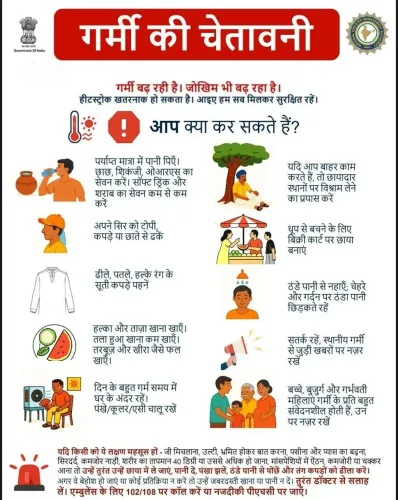
Residents are advised to drink adequate water throughout the day, avoid going out during peak afternoon hours, wear light clothing, and seek shade or air-conditioned spaces. CM Rekha Gupta's advisory specifically highlighted hydration and avoiding direct sunlight.
Why is Delhi especially vulnerable to heatwaves?
Delhi's dense urban landscape creates a heat island effect, where built-up surfaces retain and radiate more heat than surrounding rural areas. Rapid urbanisation and reduced green cover have intensified this effect, making summer temperatures in the city particularly extreme.