Rijiju Urges Heatwave Caution, Community Care Amid Rising Temps
Synopsis
Union Minister Kiren Rijiju has issued a public heatwave advisory urging Indians to stay hydrated, protect vulnerable groups, extend community support, and keep water available for birds and animals as temperatures rise sharply across the country.
Key Takeaways
Kiren Rijiju , Union Minister of Parliamentary Affairs, posted a heatwave advisory on May 27, 2026 .
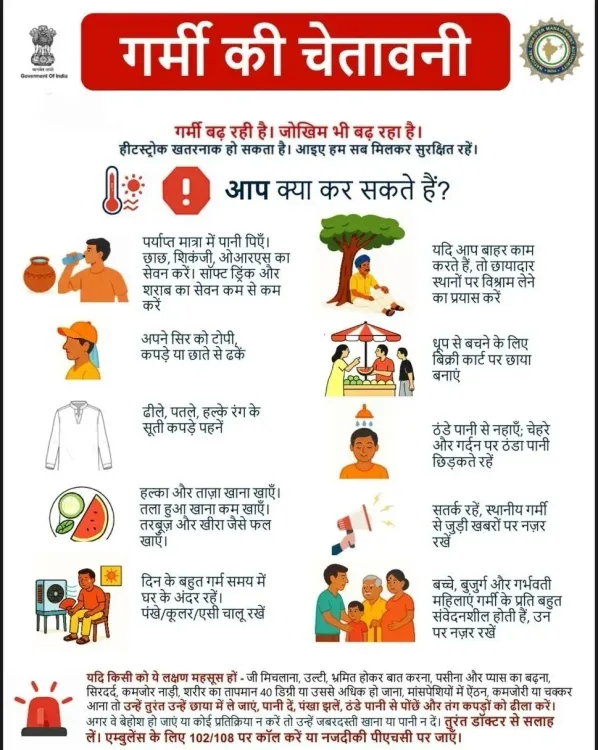
The advisory urges citizens to stay hydrated, carry water while travelling, and avoid unnecessary sun exposure.
Children and senior citizens are highlighted as requiring extra care during the heatwave.
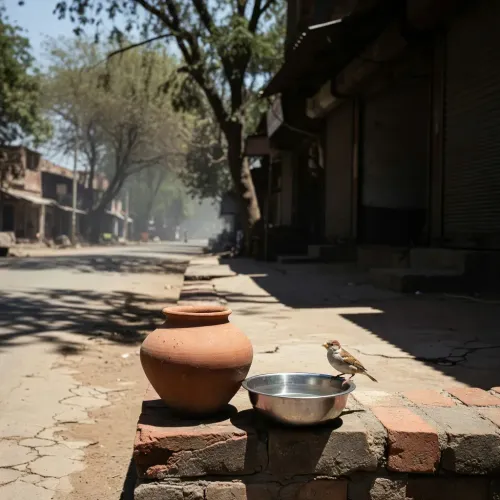
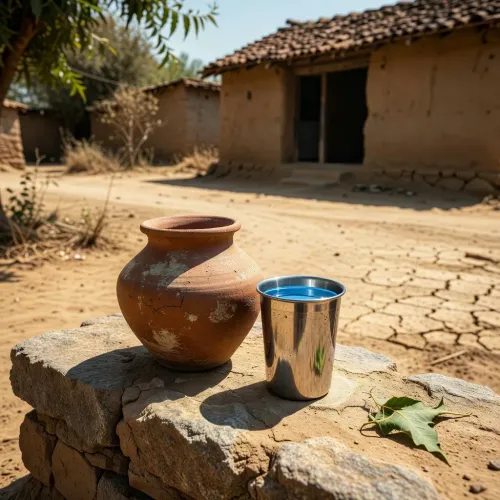
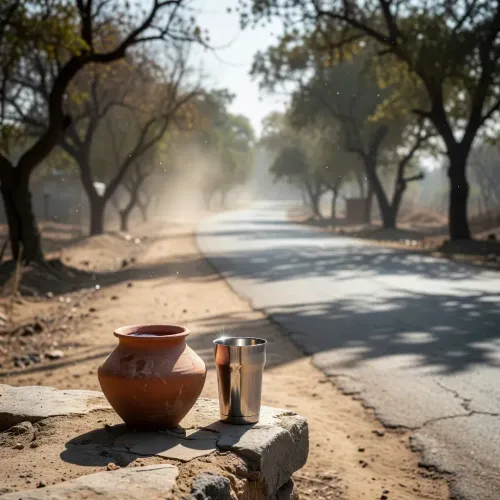
The minister called on people to leave water outside for birds and animals.
A community solidarity appeal was included — checking on neighbours and offering water to those in need.
The advisory aligns with NDMA heatwave preparedness guidelines first issued in 2016 .
Union Parliamentary Affairs Minister Kiren Rijiju on Wednesday, May 27, 2026, issued a public advisory urging citizens across India to take precautions as temperatures rise sharply in many parts of the country. The minister called on people to stay hydrated, protect children and senior citizens, and extend help to those in need during the ongoing heatwave.
Context
In his post, Rijiju wrote: 'Temperatures are rising sharply across many parts of India and this extreme heat affects everyone.' He specifically asked people to carry water while travelling, keep water outside their homes for birds and animals, and avoid unnecessary exposure to the sun. The advisory also carried a message of community solidarity — 'In times like these, kindness matters too, check on someone, offer water and help those who may need support.'
The post was tagged #Heatwave and #HeatWaveAlert, aligning it with the broader national conversation around seasonal extreme heat events that recur across Indian states every summer.
Policy Backdrop
India has grappled with intensifying summer heatwaves for over a decade, prompting authorities at the central and state levels to issue periodic public health advisories. The National Disaster Management Authority (NDMA) first issued comprehensive heatwave preparedness guidelines in 2016, covering individual precautions, community outreach, and institutional responsibilities.
Ministerial advisories disseminated through social media have become a standard component of the government's seasonal public communication strategy, supplementing official channels with direct citizen outreach. These messages typically combine practical safety tips with appeals to social responsibility — a pattern clearly visible in Rijiju's post.
Stakeholders and Impact
Children and senior citizens are identified as the most vulnerable groups in heatwave situations, a classification consistent with NDMA guidelines and public health consensus. Urban residents, outdoor workers, and daily commuters are also disproportionately exposed to heat stress during peak summer months.
The minister's appeal to leave water outside for birds and animals reflects an awareness of the heatwave's impact beyond human populations — a detail that resonates with a growing civic consciousness around urban ecology and animal welfare during extreme weather events.
What's Next
The India Meteorological Department (IMD) issues seasonal forecasts and heatwave alerts that guide both state-level heat action plans and central government communications. Citizens and local bodies will be watching for any updates to these forecasts as summer progresses through its peak months. State governments in heat-prone regions are expected to activate or reinforce their heat action plans, including the opening of cooling centres and distribution of oral rehydration salts in vulnerable communities.
Point of View
Appealing to a broad civic and cultural sensibility. As extreme heat events become more frequent, such ministerial messaging is increasingly part of a layered governance response that complements, rather than replaces, formal disaster management machinery.
NationPress
10 Oct 2026
Frequently Asked Questions
What did Kiren Rijiju say about the heatwave?
Kiren Rijiju urged all Indians to stay hydrated, carry water while travelling, protect children and senior citizens, keep water outside for birds and animals, and check on neighbours who may need help during the ongoing heatwave.
Which groups are most at risk during a heatwave in India?
Children and senior citizens are the most vulnerable groups during heatwaves, as highlighted by both Rijiju's advisory and NDMA guidelines. Outdoor workers and daily commuters are also at elevated risk.
What are the NDMA guidelines on heatwave safety in India?
The National Disaster Management Authority issued comprehensive heatwave preparedness guidelines in 2016, covering individual precautions such as hydration and avoiding peak sun hours, as well as community support measures and institutional responsibilities.
How does the Indian government communicate heatwave warnings?
The Indian government uses a combination of official channels and ministers' social media accounts to disseminate heatwave advisories. The India Meteorological Department issues seasonal forecasts and alerts that guide state-level heat action plans.
What should I do to stay safe during a heatwave in India?
Stay hydrated, carry water when travelling, avoid going out during peak afternoon heat, take extra care of children and elderly family members, and check on neighbours. Keeping water outside for birds and animals is also recommended.