PM Modi Urges Indians to Stay Hydrated Amid Soaring Summer Heat
Synopsis
Prime Minister Narendra Modi on 27 May 2026 issued a direct public advisory urging Indians to stay hydrated and take precautions as soaring temperatures grip multiple regions. The message reflects an established pattern of central government seasonal health outreach, backed by NDMA heatwave guidelines and state-level Heat Action Plans.
Key Takeaways
PM Modi issued a public heatwave advisory on 27 May 2026 , urging citizens to stay hydrated and carry water when stepping out.
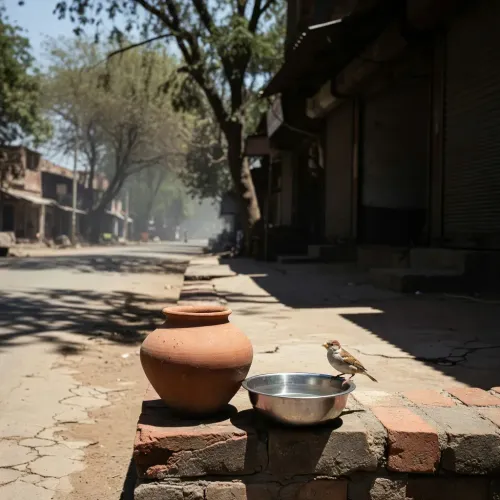
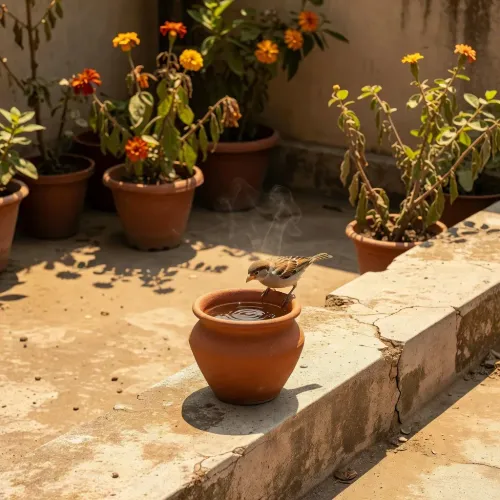
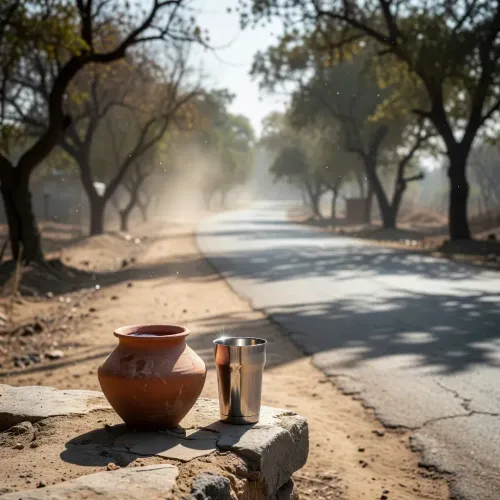
He appealed to Indians to offer water to others, emphasising community care during extreme heat.
India regularly experiences temperatures exceeding 40°C in northern, central, and eastern regions during May and June.
The NDMA has maintained national heatwave preparedness guidelines since 2016 , with several states running city-level Heat Action Plans .
Ahmedabad's 2010 Heat Action Plan is the national model credited with reducing heat-related fatalities through early warning systems.
State governments and district administrations are expected to intensify ground-level outreach following the Prime Minister's advisory.
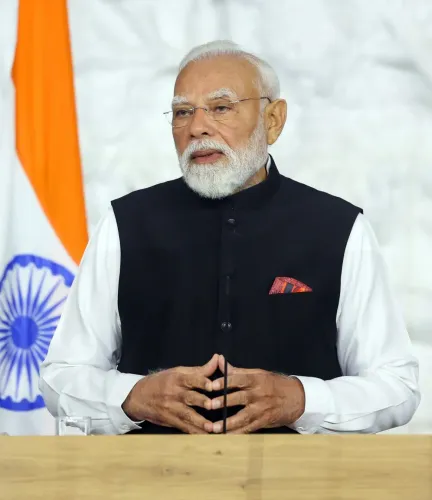
Prime Minister Narendra Modi on Wednesday, 27 May 2026 issued a public health advisory urging citizens across India to take precautions against intense summer heat, warning that rising temperatures are posing serious challenges in different parts of the country.
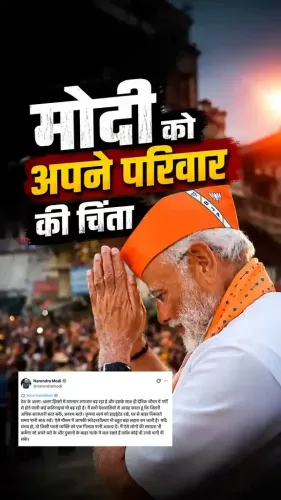
In his post on X, Modi wrote: 'Different parts of India are witnessing soaring temperatures and the challenges that come with it. This heat is harsh on all of us and I urge you all to take as many precautions as possible. Please stay hydrated, keep water with you when stepping out. Offer a glass of water to...' — the message continuing with an appeal to extend care to others, particularly those outdoors.
Context
India experiences recurring and often severe summer heatwaves, with temperatures in northern, central, and eastern regions frequently exceeding 40°C during May and June. The period places extreme physical stress on outdoor workers, the elderly, and low-income populations with limited access to cooling. Public health systems in several states come under heightened pressure during these weeks.
Prime Minister Modi has consistently used his social media presence for direct, real-time public safety communication — a pattern established during COVID-19 advisories and seasonal monsoon warnings. Wednesday's post follows that established approach, timed with the peak of the pre-monsoon summer season.
Policy Backdrop
The National Disaster Management Authority (NDMA) released national guidelines for heatwave preparedness and response in 2016, providing a framework for state and district administrations to act on. Several states subsequently adopted city-level Heat Action Plans, modelled on Ahmedabad's pioneering 2010 plan — widely credited with reducing heat-related fatalities through early warning systems and coordinated public outreach.
Central government advisories issued during peak summer months typically run in coordination with the India Meteorological Department (IMD), which issues colour-coded heatwave alerts. The Ministry of Health and Family Welfare also periodically issues dos-and-don'ts for the general public and healthcare facilities during heatwave conditions.
Stakeholders and Impact
The advisory is particularly relevant for outdoor workers — including construction labourers, agricultural workers, street vendors, and delivery personnel — who face the highest exposure to heat stress with the least ability to seek shelter. Community health workers and local bodies are expected to use such high-visibility messaging to reinforce ground-level precaution campaigns.
The general public, especially in densely populated urban centres such as Delhi, Lucknow, Patna, and Nagpur, faces compounding risks from urban heat island effects. Modi's call to 'offer a glass of water' to others reflects a community-care dimension, encouraging citizens to look out for vulnerable neighbours, domestic workers, and passers-by.
What's Next
State governments are expected to activate or update their Heat Action Plans in response to the advisory, with district administrations potentially intensifying outreach through local health workers and municipal bodies. Additional central advisories coordinated with the NDMA and the Ministry of Health may follow if temperatures remain elevated through the coming weeks.
The IMD's ongoing summer forecast will likely guide the frequency and intensity of subsequent public health messaging. As India moves toward the monsoon season, the transition period remains among the most dangerous for heat-related illness, making early and sustained public advisories a critical line of defence.
Point of View
Asking citizens to offer water to others, subtly extends the message beyond individual responsibility to collective civic duty. This fits a broader pattern in which the central government uses the Prime Minister's personal platform to set the tone for state-level action without issuing a formal directive. The timing, at peak summer, also keeps the administration visibly engaged on a non-partisan welfare issue with wide public resonance.
NationPress
10 Oct 2026
Frequently Asked Questions
Why did PM Modi post a heatwave advisory on 27 May 2026?
PM Modi issued the advisory because different parts of India are experiencing soaring temperatures, and he urged citizens to take precautions, stay hydrated, and look out for others during the intense summer heat.
What precautions did PM Modi suggest during the heatwave?
He specifically advised people to stay hydrated, carry water when stepping out, and offer a glass of water to others — particularly important for outdoor workers and vulnerable individuals.
What is India's national policy on heatwave preparedness?
The National Disaster Management Authority (NDMA) released national heatwave preparedness guidelines in 2016. Several states have adopted Heat Action Plans modelled on Ahmedabad's 2010 plan, which is credited with reducing heat-related deaths.
Which parts of India are most affected by heatwaves?
Northern, central, and eastern India — including cities like Delhi, Lucknow, Patna, and Nagpur — are typically the most affected, with temperatures frequently exceeding 40°C during May and June.
Has PM Modi issued similar public health advisories before?
Yes. PM Modi has used his social media platforms for direct public safety communication during COVID-19, monsoon seasons, and previous summer heatwaves, making seasonal health advisories a recurring feature of his public outreach.