PM Modi Urges Indians to Stay Hydrated Amid Rising Heat
Synopsis
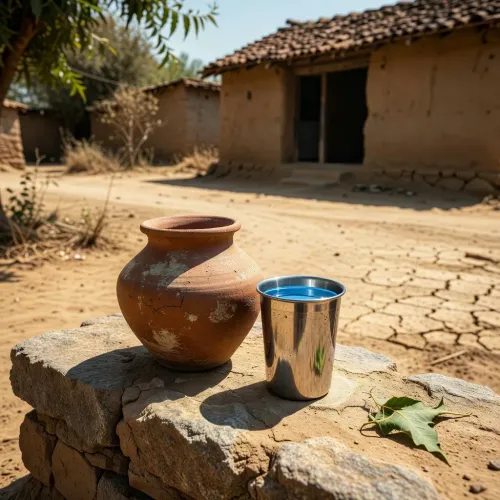
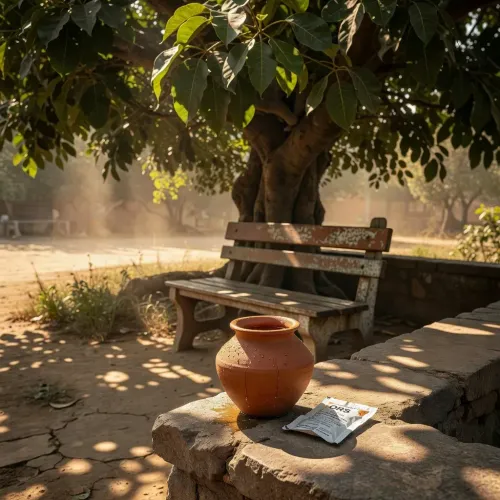
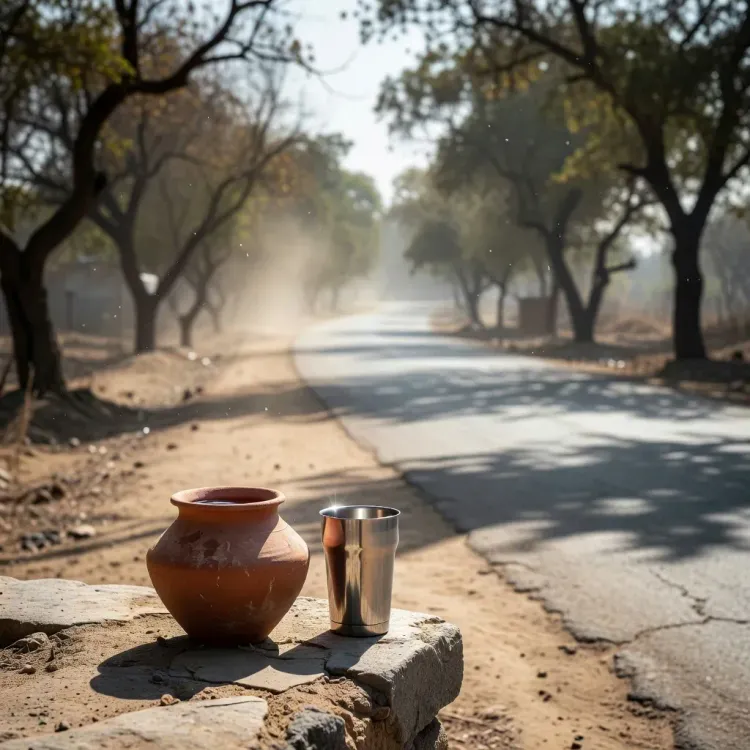
Prime Minister Narendra Modi on 27 May 2026 issued a public advisory urging Indians to exercise maximum caution as temperatures rise across the country, specifically asking citizens to stay hydrated and carry water when stepping outside amid intensifying summer heat.
Key Takeaways
PM Modi posted a public health advisory on 27 May 2026 warning of rising temperatures across India.
He urged all citizens to stay hydrated and carry water when stepping out of their homes.
The advisory is especially significant for outdoor and daily-wage workers with limited ability to avoid heat exposure.
India's institutional heat-response framework is anchored in NDMA guidelines first issued in 2016 .
State governments are expected to activate or update Heat Action Plans coordinated with IMD forecasts.
Successive governments have used social media alongside disaster management mechanisms for heat-safety communication since major heat events in 2010 and 2015 .
Prime Minister Narendra Modi on Wednesday, 27 May 2026 issued a public health advisory urging all citizens to take precautions as temperatures continue to rise across different parts of India, warning that the summer heat is compounding difficulties in daily life.
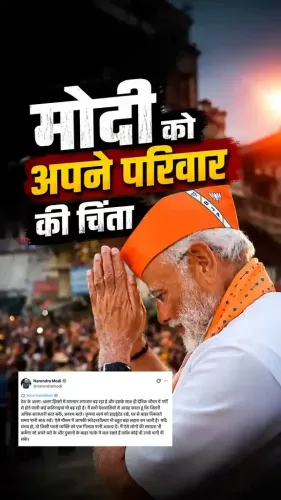
In his post, Modi wrote in Hindi: 'देश के अलग-अलग हिस्सों में तापमान लगातार बढ़ रहा है' ('Temperatures are continuously rising in different parts of the country'), adding that the hardships caused by heat in daily life are also increasing. He specifically appealed to citizens to stay hydrated and to carry water whenever stepping out of their homes.
Context
India's summer months routinely bring intense heat to large swathes of northern and central India, with outdoor workers, the elderly, and low-income communities bearing a disproportionate burden. Modi has periodically used social media to issue such advisories, treating platforms like X as direct channels for public health communication alongside official government mechanisms.
The advisory comes as peak summer conditions typically set in across Rajasthan, Uttar Pradesh, Madhya Pradesh, Maharashtra, and several other states, where temperatures in May and June can impose serious health risks on populations with limited access to cooling infrastructure.
Policy Backdrop
India's institutional framework for heat preparedness is anchored in the National Disaster Management Authority's (NDMA) national guidelines for heatwave preparedness and response, first released in 2016. These guidelines provide a template for state governments to develop their own Heat Action Plans (HAPs), which include early-warning systems, public communication campaigns, and coordination with health services.
The push for formalised heat response intensified after major heat events in 2010 and 2015 caused significant loss of life, prompting successive administrations to treat heatwaves as a category of natural disaster warranting structured government response. Social media advisories from senior leadership have become a standard complement to these institutional measures.
Stakeholders and Impact
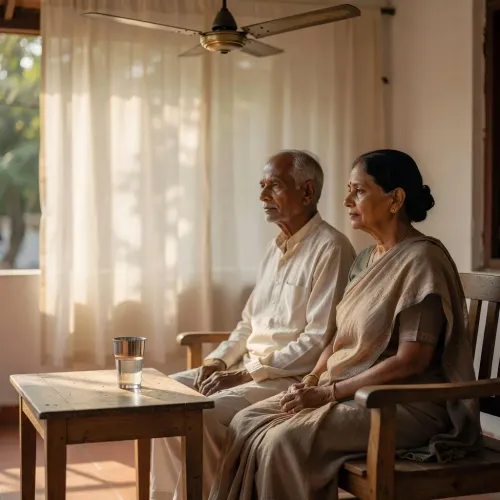
The advisory is directed at the general public, with particular relevance for outdoor and daily-wage workers — construction labourers, agricultural workers, street vendors — who have limited ability to avoid sun exposure during working hours. For this segment, simple hydration reminders carry outsized practical significance.
State disaster management authorities and the India Meteorological Department (IMD) are the key institutional actors responsible for translating central-level advisories into on-ground action, including activating cooling centres, issuing colour-coded heat alerts, and coordinating with public health departments.
What's Next
Attention will now turn to whether state governments activate or update their Heat Action Plans in response to the advisory and in coordination with IMD extended-range temperature forecasts. With peak summer weeks still ahead, the effectiveness of last-mile communication — reaching workers and rural populations without reliable internet access — will be a key test of the broader heat-response architecture.
Point of View
Particularly as India's summers grow more intense. The appeal is deliberately simple — hydrate, carry water — calibrated for maximum reach across literacy and connectivity divides. What the post signals politically is the government's awareness that heat mortality is a reputational and governance risk, not merely a meteorological one. The real policy test lies downstream: whether state-level Heat Action Plans are adequately funded and activated before the peak of the season.
NationPress
11 Oct 2026
Frequently Asked Questions
Why did PM Modi issue a heatwave advisory in May 2026?
PM Modi issued the advisory because temperatures were rising continuously across different parts of India, increasing heat-related hardships in daily life. He urged citizens to stay hydrated and carry water when going outdoors.
What precautions did PM Modi recommend during the heatwave?
PM Modi specifically advised citizens to exercise maximum caution, keep themselves hydrated, and carry water whenever stepping out of their homes.
What is India's official policy for dealing with heatwaves?
India's heatwave response is guided by the National Disaster Management Authority's national guidelines for heatwave preparedness, first released in 2016 , which provide a framework for state-level Heat Action Plans.
Who is most at risk during India's summer heatwaves?
Outdoor and daily-wage workers such as construction labourers, agricultural workers, and street vendors are most at risk, along with the elderly and low-income communities with limited access to cooling infrastructure.
What role does the India Meteorological Department play in heatwave response?
The India Meteorological Department (IMD) issues extended-range temperature forecasts and colour-coded heat alerts that help state governments and disaster management authorities time the activation of Heat Action Plans and public advisories.