PM Modi urges Indians to check on elders amid summer heat
Synopsis
Prime Minister Narendra Modi on 27 May 2026 urged Indians to call their elderly relatives and advise them to drink water, avoid peak afternoon sun, and rest during the summer. The advisory aligns with India's national heat-wave preparedness framework and Modi's pattern of direct digital outreach on seasonal public-health issues.
Key Takeaways
PM Modi posted a summer heat advisory on 27 May 2026 , urging citizens to check on parents, grandparents, and other loved ones.
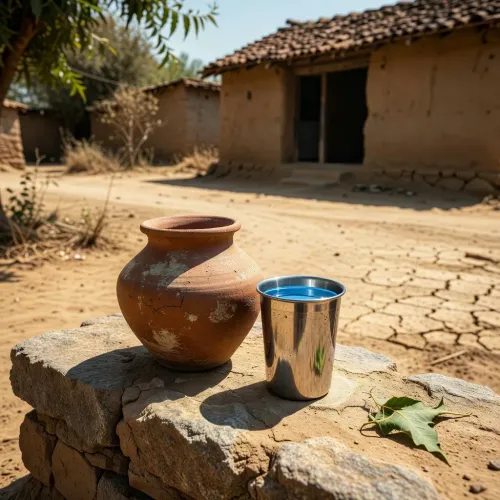
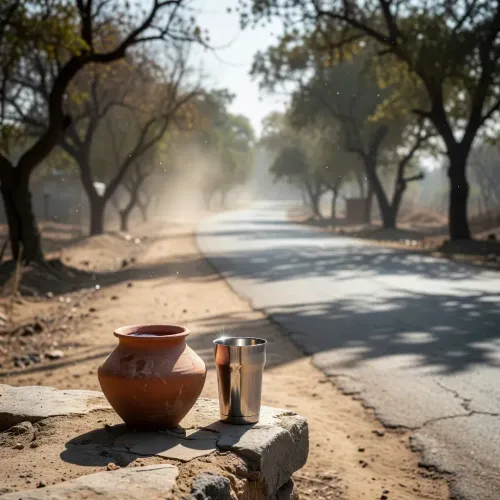
He advised reminding elders to drink adequate water, avoid going outdoors in peak afternoon sun, and rest sufficiently.
The post was written in Hindi and published on X, reaching a broad national audience directly.
India's NDMA has maintained national heat-wave preparedness guidelines since 2016 , supported by state-level Heat Action Plans .
The elderly are among the most vulnerable groups during India's summer months when temperatures can exceed 45°C in several states.
The advisory fits Modi's established pattern of using social media for direct preventive public-health communication during peak summer.
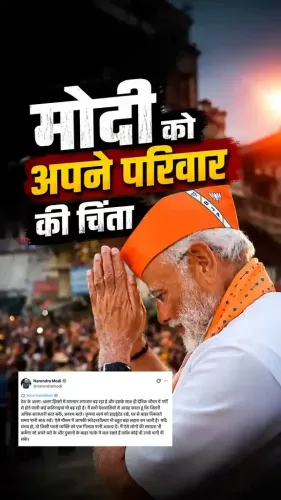
Prime Minister Narendra Modi on Wednesday, 27 May 2026 took to X to issue a public-health advisory urging Indians to call their elderly relatives and loved ones during the ongoing summer season, reminding them to stay hydrated, avoid stepping out in peak afternoon heat, and rest as much as possible.
In his Hindi-language post, Modi wrote: 'जब भी संभव हो, अपने माता-पिता, दादा-दादी, नाना-नानी और अन्य प्रियजनों को फोन कर उनका हालचाल अवश्य पूछें।' ('Whenever possible, do call your parents, grandparents, and other loved ones to ask about their well-being.') He specifically advised people to remind their elders to drink adequate water, avoid going out in the harsh afternoon sun, and rest as much as they can.
Context
India's summer months — particularly May and June — routinely see dangerous heat-wave conditions across large swathes of the country, with temperatures in several states breaching 45°C. The elderly, young children, and outdoor workers are the most vulnerable. Modi has issued similar seasonal advisories in previous years, using his high-reach social-media presence to amplify preventive-care messaging directly to citizens.
Such posts are part of a broader pattern of digital public-health outreach that complements official government alerts, bypassing intermediaries to reach families at a personal level.
Policy Backdrop
India's National Disaster Management Authority (NDMA) first published national guidelines on heat-wave preparedness and response in 2016, which were subsequently updated to support state-level Heat Action Plans (HAPs). These plans task district administrations with issuing colour-coded heat alerts, opening cooling shelters, and coordinating with health departments to manage heat-related illness.
The Prime Minister's advisory aligns squarely with the community-vigilance pillar of this disaster-risk-reduction framework, which stresses that family and neighbourhood networks are the first line of defence for at-risk individuals during extreme-heat events.
Stakeholders and Impact
Elderly citizens are disproportionately affected by heat stress because of reduced physiological capacity to regulate body temperature and higher rates of underlying conditions such as hypertension and diabetes. Modi's call to action targets the family unit — asking working-age adults to actively check in on parents and grandparents — rather than relying solely on institutional response.
With a large share of India's population accessing information primarily through social media, a post from the Prime Minister's verified account carries significant reach, potentially reinforcing public-health messaging that state governments and health departments are simultaneously pushing through their own channels.
What's Next
State governments are expected to review and activate their Heat Action Plans as the season progresses toward its peak. The NDMA and the Union Ministry of Health and Family Welfare periodically coordinate advisories and funding reviews for heat-wave mitigation infrastructure. The Prime Minister's post adds political visibility to what is often treated as a routine administrative exercise, potentially accelerating on-ground preparedness efforts at the district level.
Point of View
High-visibility intervention that reinforces the community-vigilance pillar of India's formal heat-wave management architecture. By framing the message around family responsibility — calling parents and grandparents — rather than government action alone, it shifts agency to citizens in a way that institutional alerts rarely achieve. The post continues a well-established pattern of the Prime Minister using X as a direct-to-citizen public-health channel, lending political salience to what might otherwise remain a bureaucratic seasonal advisory. Analysts will watch whether the post is followed by concrete NDMA or state-level announcements on Heat Action Plan funding and readiness ahead of peak summer.
NationPress
11 Oct 2026
Frequently Asked Questions
Why did PM Modi ask people to call their elderly relatives?
PM Modi issued the appeal on 27 May 2026 as a summer public-health advisory, urging families to check on elderly loved ones and remind them to stay hydrated, avoid afternoon sun, and rest during the intense heat season.
What is India's Heat Action Plan?
India's Heat Action Plans are state-level frameworks developed under NDMA guidelines first issued in 2016. They include colour-coded heat alerts, cooling shelters, and health-department coordination to reduce heat-related illness and death.
Who is most at risk during India's summer heat waves?
The elderly, young children, and outdoor workers are considered the most vulnerable groups, as they have a reduced ability to cope with extreme heat or have limited control over their exposure to it.
How does PM Modi use social media for public health?
Modi regularly posts seasonal health advisories on X, using his large verified following to deliver preventive-care messages directly to citizens, complementing official government and state-level health alerts.
What precautions should elderly people take during a heat wave?
Key precautions include drinking plenty of water throughout the day, avoiding going outdoors between roughly 12 noon and 4 pm when the sun is harshest, wearing light clothing, and resting in cool or shaded spaces.