Yadav urges heat safety, cites govt guidelines
Synopsis
Union Environment Minister Bhupender Yadav on 31 May 2026 warned citizens about intense heat across India, urging hydration and caution outdoors. Tagging the post under #MannKiBaat, he reminded the public to follow guidelines issued by various government departments on heat-wave safety.
Key Takeaways
Union Environment Minister Bhupender Yadav posted a heat-safety advisory on 31 May 2026 amid intense summer conditions across India .
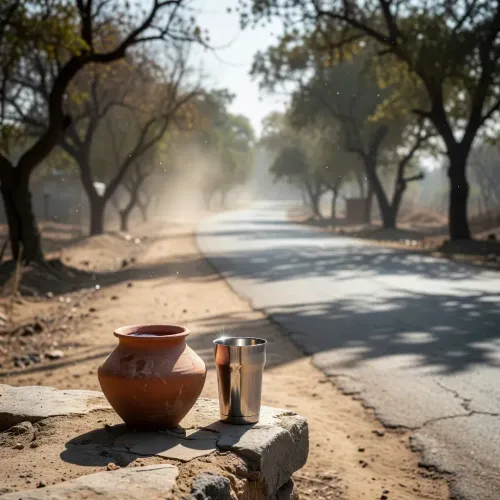
He urged citizens to stay hydrated and exercise caution when venturing outdoors in direct sunlight.
The post was tagged #MannKiBaat , linking it to Prime Minister Modi's monthly public outreach programme.
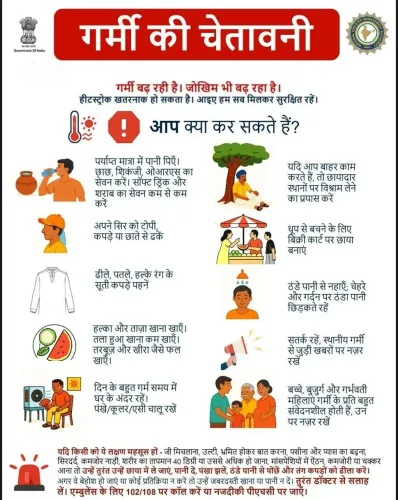
Yadav reminded citizens to consult guidelines issued by various central government departments on heat-wave preparedness.
India's institutional heat-wave framework dates to 2016 NDMA guidelines , with city-level plans in place since Ahmedabad's 2010 Heat Action Plan.
Rising frequency and intensity of heat waves since the 2000s has made seasonal government advisories a key part of the country's climate adaptation response.
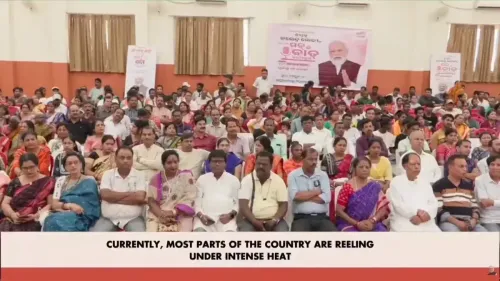
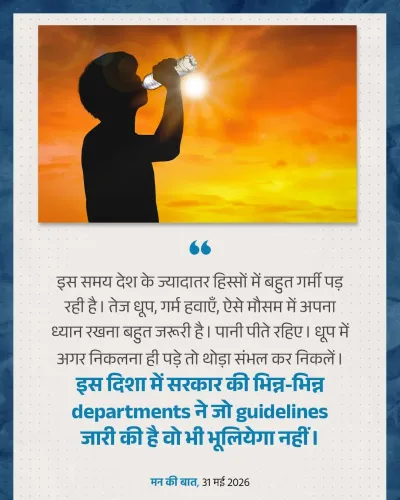
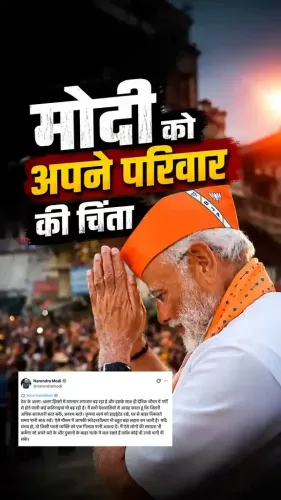
Union Environment Minister Bhupender Yadav on Sunday, 31 May 2026, took to X to warn citizens about the intense heat gripping most parts of the country, urging people to stay hydrated and exercise caution before stepping outdoors. The post, tagged under the #MannKiBaat hashtag, also reminded the public to follow guidelines issued by various government departments on heat safety.
Context
Writing in Hindi, Yadav cautioned: 'इस समय देश के ज्यादातर हिस्सों में बहुत गर्मी पड़ रही है' ['Most parts of the country are experiencing very intense heat right now']. He advised citizens to keep drinking water and, if they must go out in the sun, to do so carefully. The advisory comes as India enters the peak of its summer season, when heat-related illnesses typically surge across the northern, central, and peninsular plains.
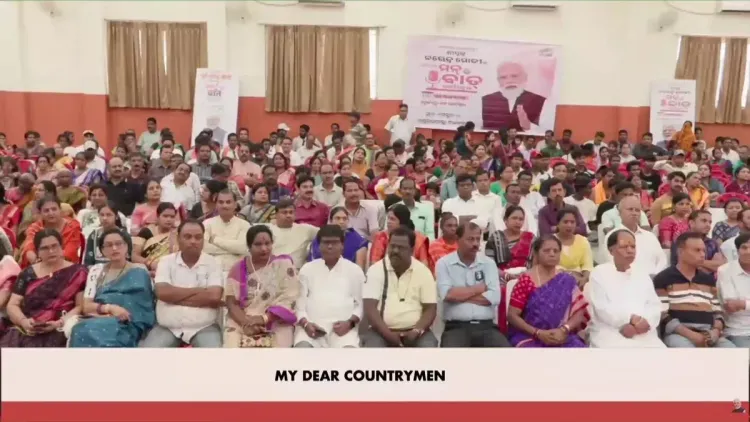
The post's association with #MannKiBaat — Prime Minister Narendra Modi's monthly radio programme addressing public issues — signals that heat safety may have featured in or around the latest episode's messaging, amplifying the outreach through ministerial social media.
Policy backdrop
India's institutional response to heat waves has deepened significantly over the past decade and a half. The National Disaster Management Authority (NDMA) issued national guidelines for the prevention and management of heat waves in 2016, providing a framework for inter-departmental coordination. Ahmedabad pioneered a city-level Heat Action Plan as early as 2010, a model subsequently adopted by several states and urban local bodies.
Multiple central ministries — including Health, Labour, and Environment — routinely issue seasonal advisories under the Disaster Management Act framework as part of the country's broader climate adaptation strategy. Yadav's post reinforces that messaging and directs citizens to consult those department-specific guidelines, though the specific documents referenced in the post could not be independently verified at the time of publication.
Stakeholders and impact
The advisory is aimed squarely at the general public, particularly outdoor workers, the elderly, and children who are most vulnerable to heat stress. State health departments and municipal bodies are the primary implementing agencies for on-ground heat-wave response, from operating cooling centres to deploying medical teams.
India has recorded a rising frequency and intensity of heat waves since the 2000s, with scientists linking the trend to broader climate change patterns. Public communication from senior ministers during peak summer months is considered a key element of early-warning outreach, helping reduce preventable mortality and morbidity.
What's next
Observers will watch whether state governments revise or roll out updated Heat Action Plans ahead of the remaining peak summer weeks, and whether upcoming Mann Ki Baat episodes dedicate further airtime to climate-health preparedness. With the monsoon still weeks away for most of the country, sustained public messaging on heat safety is expected to continue across government platforms.
Point of View
Even when the content originates from a line ministry. The advisory also underscores the Environment Ministry's expanding role in climate-health communication, a space traditionally owned by the Health Ministry. As heat waves grow more frequent and politically salient, expect senior ministers across portfolios to stake a visible presence in seasonal safety campaigns.
NationPress
16 Oct 2026
Frequently Asked Questions
What did Bhupender Yadav say about the heat wave in India?
Bhupender Yadav urged citizens to drink water regularly, be cautious before going out in the sun, and follow heat-safety guidelines issued by various government departments, in a post on 31 May 2026.
What is India's government doing about heat waves?
The central government, through the NDMA, issued national heat-wave management guidelines in 2016. Multiple ministries issue seasonal advisories, and several states have adopted city-level Heat Action Plans modelled on Ahmedabad's 2010 initiative.
What is Mann Ki Baat and why was it tagged in the heat advisory?
Mann Ki Baat is Prime Minister Narendra Modi's monthly radio programme addressing public issues. Yadav tagged #MannKiBaat to link his heat-safety message to the programme's wider public outreach.
Which government departments issue heat wave guidelines in India?
The NDMA, the Ministry of Health, the Ministry of Labour, and the Ministry of Environment are among the central bodies that issue seasonal heat-wave advisories under the Disaster Management Act framework.
How serious is the heat wave situation in India in 2026?
According to Yadav's post, most parts of India were experiencing intense heat as of 31 May 2026. India has recorded rising frequency and intensity of heat waves since the 2000s, making summer advisories a regular feature of government communication.