Piyush Goyal Issues Summer Heat Advisory, Cites Govt Guidelines
Synopsis
Union Commerce Minister Piyush Goyal on 31 May 2026 urged Indians to guard against intense summer heat, advising hydration and caution outdoors. His post, tagged under #MannKiBaat, pointed citizens to inter-ministerial guidelines, reinforcing the government's seasonal public health messaging across digital and radio platforms.
Key Takeaways
Union Minister Piyush Goyal posted a summer heat advisory on 31 May 2026 via X.
The advisory urges citizens to drink water regularly and exercise caution when stepping out in the sun.
Goyal reminded followers to consult guidelines issued by various government departments on managing heat exposure.
The post was tagged #MannKiBaat , linking it to PM Modi's monthly citizen-outreach radio programme launched in October 2014 .
Such advisories typically align with NDMA and Union Health Ministry heat action frameworks.
Vulnerable groups including the elderly, children, and outdoor workers are among the key audiences for the advisory.
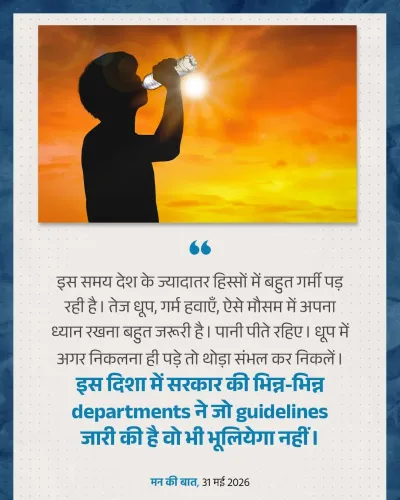
Union Commerce and Industry Minister Piyush Goyal on Sunday, 31 May 2026, took to X to issue a public health advisory urging citizens across India to protect themselves from the intense summer heat, reminding followers to follow inter-ministerial guidelines issued by various government departments.
Context
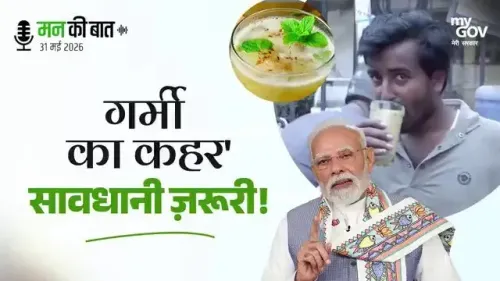
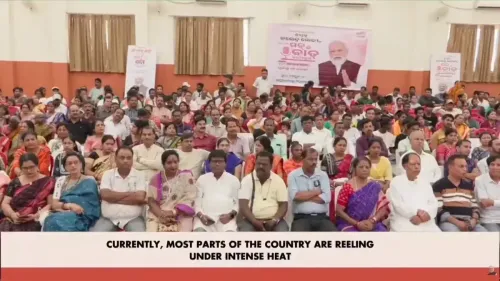
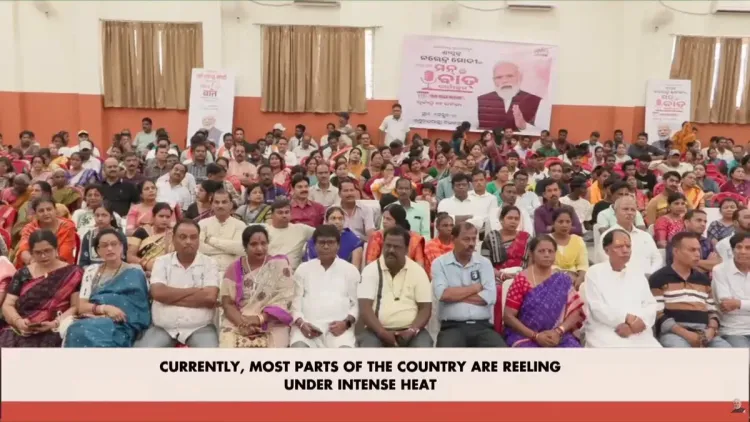
In his post, tagged under #MannKiBaat, Goyal wrote in Hindi: 'इस समय देश के ज्यादातर हिस्सों में बहुत गर्मी पड़ रही है' ('Most parts of the country are experiencing intense heat right now'). He called on people to stay hydrated and exercise caution when stepping out in the sun. The advisory reflects a broader pattern among central ministers of using digital platforms to amplify seasonal public safety messaging during peak summer months.
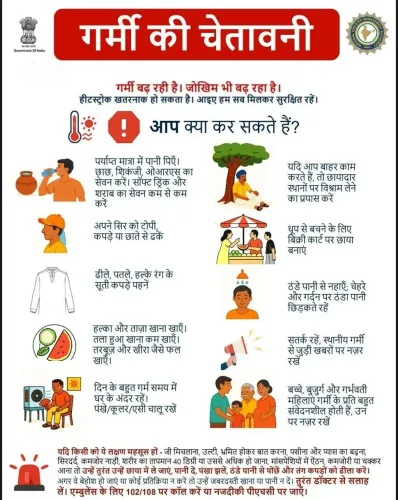
Goyal specifically noted that various government departments have issued guidelines on managing heat exposure, urging citizens not to overlook them. While the post does not name specific departments, such advisories are typically aligned with frameworks developed by the National Disaster Management Authority (NDMA) and the Union Health Ministry over the past decade.
Policy Backdrop
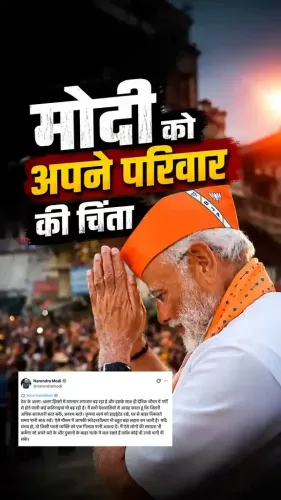
Mann Ki Baat, the monthly radio programme launched by Prime Minister Narendra Modi in October 2014, has long served as a platform for direct government-to-citizen communication on public welfare topics, including seasonal health precautions. Goyal's post, hashtagged under the programme, signals alignment with the broader messaging ecosystem that supplements All India Radio outreach with real-time digital advisories.
Central ministries have increasingly used social media during summer months to reinforce heat action plans, particularly for vulnerable groups such as the elderly, outdoor workers, and children. The NDMA and state governments maintain dedicated heat action plans that are updated annually ahead of the summer season.
Stakeholders and Impact
The advisory is directed at the general public, with particular relevance for vulnerable groups who face heightened risk during periods of extreme heat. Outdoor workers, daily-wage labourers, and elderly citizens in northern and central India — regions typically most affected by summer heat waves — stand to benefit most from such reminders.
By invoking #MannKiBaat, Goyal's post also reinforces the programme's role as a citizen-welfare communication channel, extending its reach beyond radio listeners to social media audiences. The dual-platform approach underscores the government's intent to maximise the reach of public health messaging during critical weather periods.
What's Next
Citizens and observers will watch for the next episode of Mann Ki Baat and any updated heat action plan notifications from the NDMA or state governments as the summer season continues. Goyal's advisory adds ministerial weight to ongoing inter-departmental efforts to prepare and protect the public during extreme weather conditions across India.
Point of View
Though routine in tone, is notable for its explicit invocation of inter-ministerial guidelines and the Mann Ki Baat hashtag, signalling coordinated government messaging rather than a standalone post. It reflects a maturing pattern in which senior BJP ministers use social media as a force-multiplier for public welfare communication, particularly during climate-sensitive periods. The alignment with NDMA frameworks suggests the post is part of a broader, institutionalised summer preparedness push rather than an ad hoc gesture. For a commerce minister to step into a public health advisory space also underscores the cross-portfolio nature of India's heat-resilience communication strategy.
NationPress
15 Oct 2026
Frequently Asked Questions
What did Piyush Goyal say about the summer heat?
Piyush Goyal posted on X on 31 May 2026 urging citizens to stay hydrated, be cautious when stepping out in the sun, and follow government guidelines issued by various departments to manage heat exposure.
What is Mann Ki Baat and why did Goyal tag it?
Mann Ki Baat is a monthly radio programme launched by Prime Minister Narendra Modi in October 2014 for direct government-to-citizen communication. Goyal tagged it to align his advisory with the programme's citizen-welfare messaging framework.
Which government body issues heat action guidelines in India?
The National Disaster Management Authority (NDMA) and the Union Health Ministry are the primary bodies that develop and update heat action plan frameworks in India, often coordinated with state governments.
Who is most at risk during heat waves in India?
Elderly citizens, children, outdoor workers, and daily-wage labourers — particularly in northern and central India — are considered the most vulnerable groups during periods of extreme summer heat.
How does the government communicate heat advisories to the public?
The government uses a combination of All India Radio broadcasts, including Mann Ki Baat, and social media platforms like X to disseminate seasonal heat advisories and inter-ministerial safety guidelines to the public.