CM Dhami Accuses Congress of Sheltering Exam Mafia
Synopsis
Uttarakhand Chief Minister Pushkar Singh Dhami accused Congress of sheltering the cheating mafia and fuelling recruitment scams in the state, sharpening the BJP's political attack over examination fraud and government hiring corruption.
Key Takeaways
CM Pushkar Singh Dhami posted on X on 17 July 2026 accusing Congress of providing patronage to the cheating mafia in Uttarakhand.
He alleged that recruitment scams multiplied under Congress's watch in the state.
The Dhami government has previously enacted an anti-cheating law and ordered STF probes into paper-leak cases.
Examination fraud and hiring irregularities are a major concern for lakhs of government-job aspirants in Uttarakhand.
The charge is part of a broader BJP political narrative contrasting its enforcement record with Congress-era governance.
The issue is expected to remain central to political messaging ahead of the next Uttarakhand assembly election.
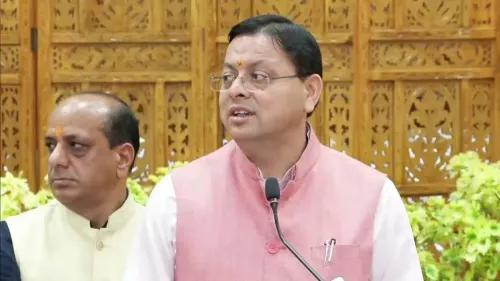
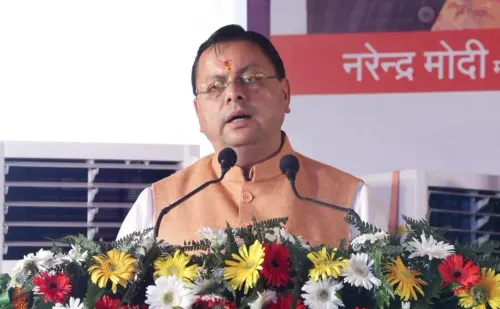
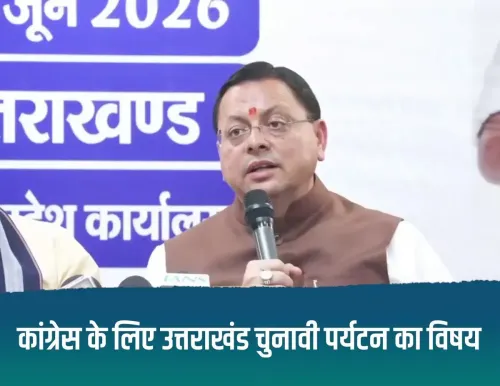
Uttarakhand Chief Minister Pushkar Singh Dhami on Friday, 17 July 2026, launched a sharp attack on the Congress party, alleging that recruitment scams and cheating networks flourished under its watch in the state. The BJP leader made the accusation via a post on X, framing the charge as a contrast to his government's crackdown on paper-leak mafias and examination fraud.
Context
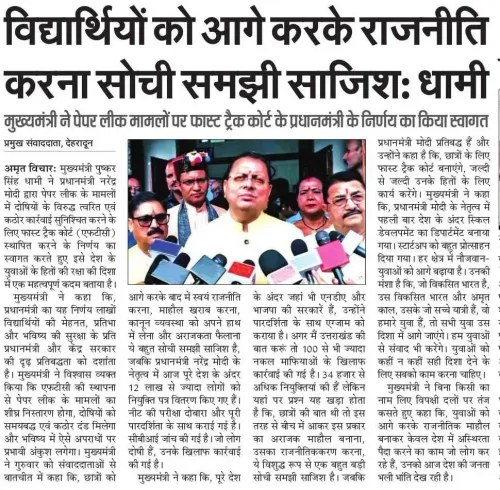
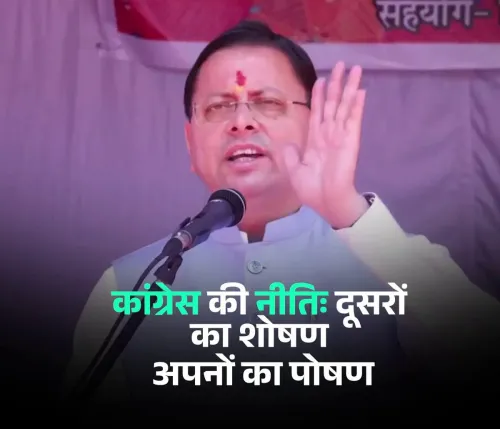
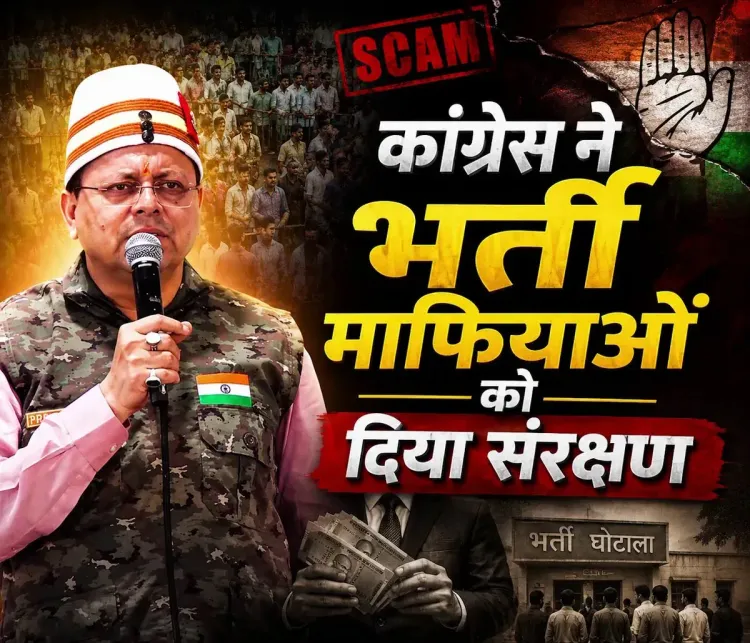
Dhami's post, written in Hindi, states: 'कांग्रेस के संरक्षण में नकल माफिया पनपे और भर्ती घोटाले बढ़े!' — translated as: 'Under Congress's patronage, the cheating mafia flourished and recruitment scams multiplied.' The remark is a direct political indictment, positioning the Congress as having enabled systemic corruption in competitive examinations and government hiring processes.
Uttarakhand has witnessed significant public anger over recruitment irregularities in recent years, with candidates and student groups demanding accountability and transparent hiring across state services, police, and teaching cadres.
Policy Backdrop
Examination fraud — colloquially called 'nakkal mafia' (cheating mafia) — has been a politically charged issue across several BJP-governed and Opposition-governed states alike. In Uttarakhand, the Dhami government has previously enacted a stringent anti-cheating law and ordered Special Task Force (STF) probes into multiple paper-leak cases affecting state-level competitive examinations.
The BJP has consistently used recruitment scam narratives as an electoral and governance argument, contrasting its own enforcement actions with what it describes as Congress-era impunity. The Congress, in turn, has argued that paper leaks and hiring irregularities have continued or worsened under BJP administrations nationally and at the state level.
Stakeholders and Impact
The primary stakeholders are the hundreds of thousands of young aspirants in Uttarakhand who appear annually for state government recruitment examinations — including posts in the police, revenue, education, and health departments. For them, examination integrity is a livelihood issue, not merely a political one.
The Congress party in Uttarakhand is likely to respond to Dhami's charge, given that recruitment scam accountability remains one of the Opposition's central campaign themes ahead of future state elections. Civil society groups and student unions that have previously staged protests over paper leaks are also key voices in this debate.
What's Next
Dhami's statement signals that the BJP in Uttarakhand intends to keep examination fraud and recruitment corruption at the centre of its political messaging. With the state's next assembly election on the horizon, both parties are expected to sharpen their narratives around governance credibility and youth employment.
Whether the ruling party's legislative and investigative actions — including the anti-cheating law and STF probes — translate into convictions and systemic reform will determine how persuasive this political framing ultimately proves to be for Uttarakhand's large aspirant population.
Point of View
The BJP attempts to neutralise a potent youth-facing grievance and redirect anger toward the Opposition. The timing matters: with government-job aspirants forming a large and volatile voter bloc in Uttarakhand, whoever credibly owns the anti-corruption narrative on recruitment holds a structural electoral advantage. Whether Dhami's legislative actions produce visible results will ultimately determine if the attack lands or backfires.
NationPress
15 Oct 2026
Frequently Asked Questions
What did CM Dhami say about Congress and the cheating mafia?
CM Pushkar Singh Dhami alleged that the cheating mafia flourished and recruitment scams multiplied under Congress's patronage in Uttarakhand, making the accusation in a Hindi post on X on 17 July 2026.
What is the nakkal mafia in Uttarakhand?
The 'nakkal mafia' refers to organised networks that facilitate cheating and paper leaks in competitive government recruitment examinations, a problem that has triggered protests and legal action in Uttarakhand.
What has the Dhami government done about recruitment scams?
The Dhami government enacted a stringent anti-cheating law and ordered Special Task Force probes into multiple paper-leak cases affecting state-level competitive examinations in Uttarakhand.
How has Congress responded to Dhami's recruitment scam charges?
The Congress party in Uttarakhand has generally countered that paper leaks and hiring irregularities have persisted or worsened under BJP rule, though a specific response to this post was not immediately available.
Why is the recruitment scam issue politically important in Uttarakhand?
Lakhs of young aspirants in Uttarakhand depend on state government jobs, making examination integrity a direct livelihood concern and one of the most emotionally resonant political issues in the state.