CM Dhami Vows Strictest Punishment for Exam Paper Leak Mafia
Synopsis
Chief Minister Pushkar Singh Dhami has declared that Uttarakhand's examination fraud mafia will face the harshest possible punishment, signalling a zero-tolerance stance on organised paper leak networks that undermine public recruitment integrity.
Key Takeaways
The Chief Minister's Office of Uttarakhand posted a direct warning from CM Pushkar Singh Dhami on 25 July 2026 targeting the exam paper leak mafia.
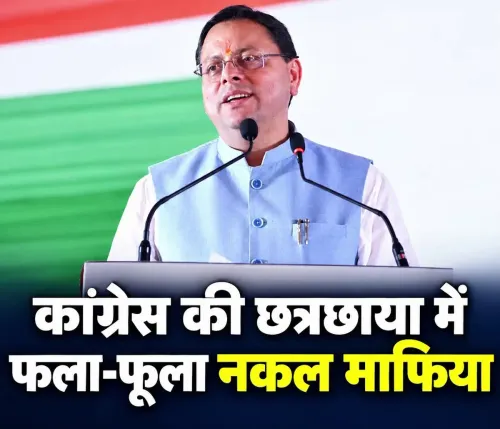
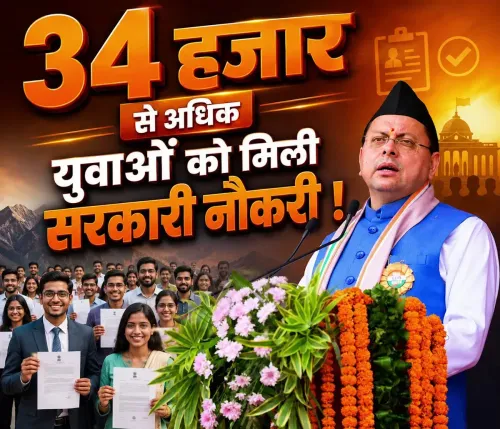
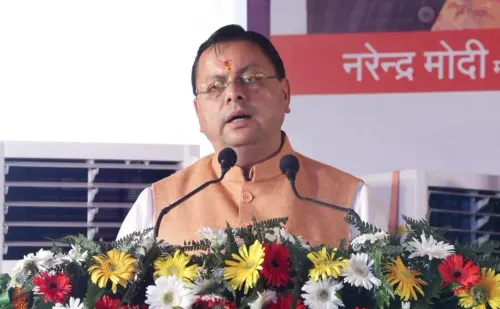
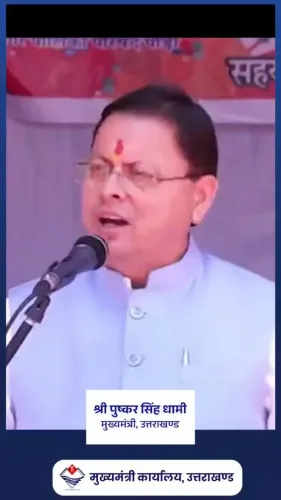
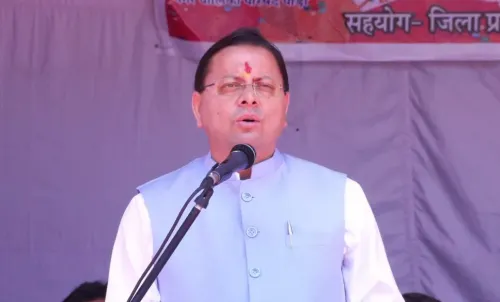
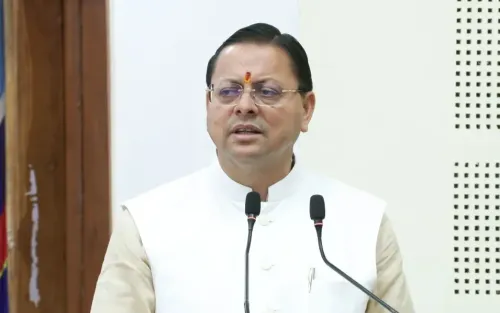
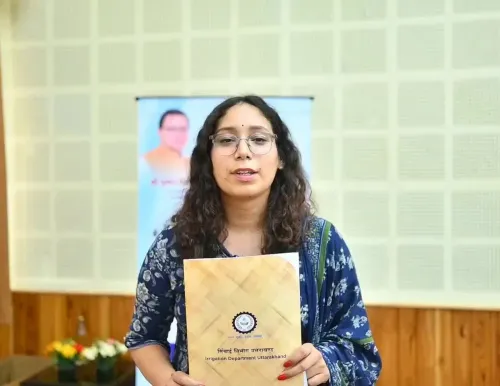
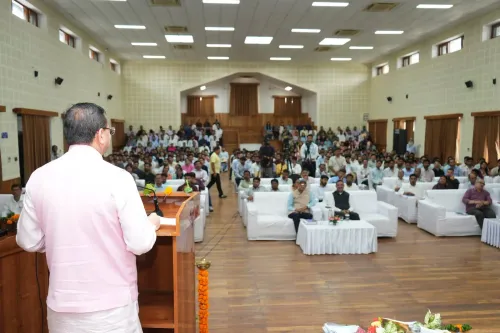
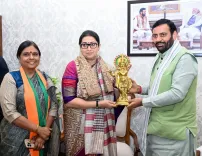
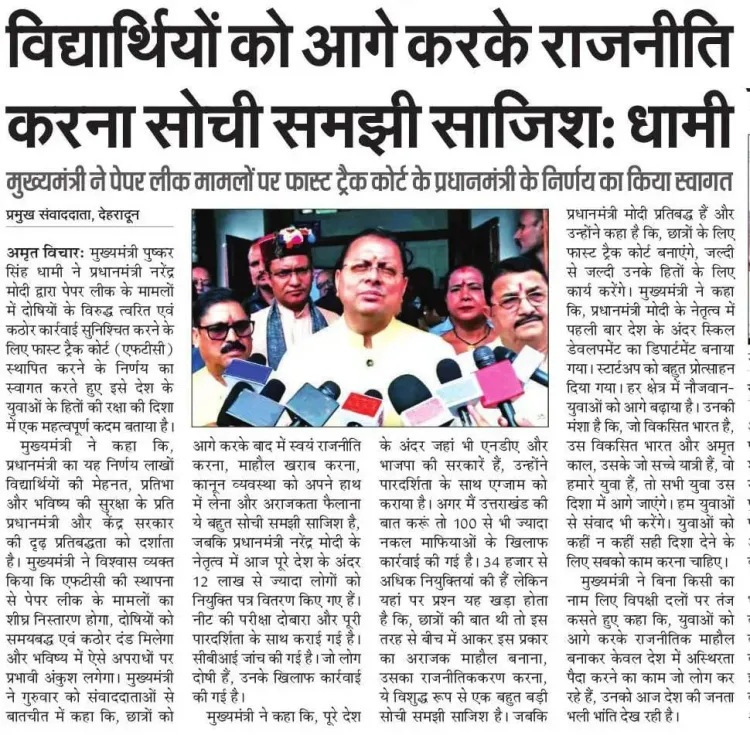
The Hindi statement — 'नकल माफिया को कड़ी से कड़ी सजा मिलेगी' — translates to 'The examination fraud mafia will receive the strictest possible punishment.' The post was accompanied by three images , signalling the official weight the government is placing on the issue.
The warning aligns with a national pattern of states strengthening laws against organised cheating syndicates in public examinations.
Students and job aspirants across Uttarakhand stand to benefit most if the declaration is followed by concrete enforcement action.
Follow-up legislative or executive steps from the state cabinet and relevant departments are now being closely watched.
The Chief Minister's Office of Uttarakhand, in a post on Friday, 25 July 2026, conveyed a firm warning from Chief Minister Pushkar Singh Dhami that those running organised examination fraud networks in the state will face the harshest possible punishment. The statement, shared on the official CMO account, signals an unambiguous government stance on protecting the integrity of public recruitment and competitive examinations in Uttarakhand.
Context
The Hindi-language post carries a direct quote attributed to the Chief Minister: 'नकल माफिया को कड़ी से कड़ी सजा मिलेगी' — 'The examination fraud mafia will receive the strictest possible punishment.' The statement was accompanied by three images, underscoring the official gravity with which the government is treating the issue. No specific incident or case was named in the post, but the language of 'mafia' points to organised, syndicated cheating networks rather than individual misconduct.
CM Dhami, who has been in office since 2021, has consistently positioned law enforcement and administrative accountability as central pillars of his government. Statements of this nature from the CMO typically precede or accompany legislative or executive action on the ground.
Policy Backdrop
Uttarakhand's tough posture on examination fraud fits into a broader national pattern. Several Indian states have moved to enact or significantly strengthen laws targeting paper leak syndicates and organised cheating rings that compromise public service recruitment examinations. These networks cause immense harm — not only to the credibility of government hiring, but to lakhs of aspirants who invest years preparing for competitive exams.
At the central level, Parliament has also debated measures to criminalise examination malpractice more severely, reflecting a cross-party consensus that the problem has reached systemic proportions. Uttarakhand's statement places the state government squarely within this reformist arc, signalling zero tolerance from the top of the executive.
Stakeholders and Impact
The primary beneficiaries of any crackdown on the naqal mafia (examination fraud mafia) are the state's students and job aspirants — a large and politically significant constituency. Competitive examinations for government posts in Uttarakhand draw candidates from across the hill state, many from economically vulnerable families for whom a government job represents critical livelihood security.
For these aspirants, paper leaks and organised cheating do not merely skew results — they can delay entire recruitment cycles by months or years, forcing re-examinations and prolonged uncertainty. A credible deterrent, backed by strict enforcement and legislation, is therefore seen as essential to restoring trust in the examination system. Enforcement agencies, examination boards, and the state police are the key institutional actors whose coordination will determine whether the Chief Minister's warning translates into tangible outcomes.
What's Next
The critical question is whether this statement is followed by concrete legislative or executive steps — such as a dedicated anti-paper-leak law, enhanced penalties under existing statutes, or a special investigation unit targeting cheating syndicates. Observers of Uttarakhand governance will watch for any formal policy announcement from the state cabinet or the home and education departments in the coming weeks.
If the government moves from declaration to enforcement, it could set a benchmark for other hill states grappling with similar challenges in protecting the sanctity of competitive recruitment.
Point of View
Which in turn creates political pressure on the administration to follow through with tangible enforcement. This statement fits a wider pattern of state governments using strong executive messaging on examination integrity as both a governance imperative and a political tool. The real test of credibility will come in the weeks ahead, when observers look for a legislative or institutional response that matches the rhetorical force of the Chief Minister's declaration.
NationPress
22 Oct 2026
Frequently Asked Questions
What did CM Pushkar Singh Dhami say about the naqal mafia in Uttarakhand?
CM Pushkar Singh Dhami declared that the examination fraud mafia — referred to as 'naqal mafia' — will receive the strictest possible punishment, as stated by the Chief Minister's Office on 25 July 2026.
What is the naqal mafia in Uttarakhand?
The 'naqal mafia' refers to organised syndicates that orchestrate paper leaks, cheating, and fraud in competitive and public service examinations in Uttarakhand, causing widespread harm to genuine aspirants.
Has Uttarakhand passed a law against exam paper leaks?
As of the CMO's post on 25 July 2026, no specific new legislation was announced; CM Dhami issued a strong warning, and any follow-up legislative or enforcement action is being watched closely.
How does Uttarakhand's stance on exam fraud compare with other Indian states?
Uttarakhand's zero-tolerance approach aligns with a broader national pattern, as multiple Indian states have moved to enact or strengthen laws against organised examination fraud networks to protect recruitment integrity.
Who is affected by exam paper leaks in Uttarakhand?
Students and government job aspirants across Uttarakhand are the primary victims; paper leaks can delay entire recruitment cycles by months or years, causing severe hardship for candidates from economically vulnerable backgrounds.