CM Dhami: Uttarakhand filled 33,000 posts under strict anti-cheating law
Synopsis
Uttarakhand Chief Minister Pushkar Singh Dhami announced on 22 May 2026 that nearly 33,000 government posts have been filled with full transparency under the state's anti-cheating law, which his government calls India's strictest. The move aims to protect youth aspirants from exam malpractice.
Key Takeaways
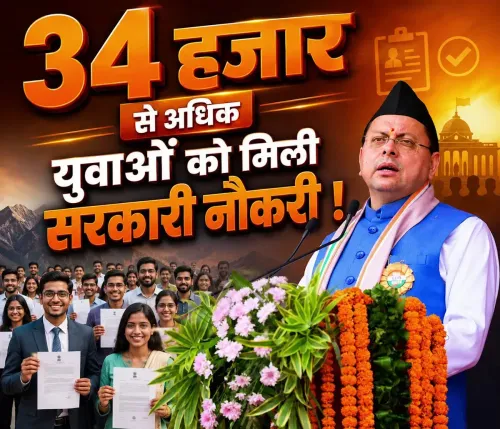
CM Pushkar Singh Dhami announced on 22 May 2026 that approximately 33,000 government posts have been filled in Uttarakhand with honesty and transparency.
The state government enacted what it describes as India's strictest anti-cheating law for competitive examinations to deter paper leaks and malpractice.
The legislation was a direct response to earlier incidents of paper leaks in Uttarakhand recruitment exams that had undermined public confidence.
The primary beneficiaries are young job aspirants in Uttarakhand who had faced systemic disadvantages due to exam fraud.
Uttarakhand 's move is part of a broader national pattern of BJP -governed states enacting stringent examination integrity laws.
Future recruitment cycles and any court challenges or convictions under the law will test its long-term effectiveness.
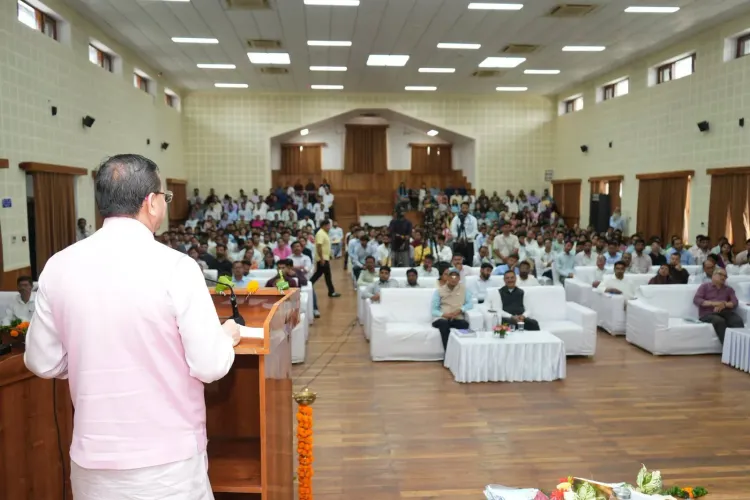
Uttarakhand Chief Minister Pushkar Singh Dhami on Friday, 22 May 2026, reaffirmed his government's commitment to fair recruitment, stating that nearly 33,000 government posts have been filled with honesty and transparency under what he described as the country's strictest anti-cheating law for competitive examinations.
Context
Posting on X, CM Dhami wrote: 'हमारी सरकार का स्पष्ट संकल्प है कि प्रदेश के युवाओं के सपनों, मेहनत और प्रतिभा के साथ किसी भी प्रकार का अन्याय नहीं होने दिया जाएगा' — ('Our government's clear resolve is that no injustice of any kind will be allowed against the dreams, hard work and talent of the state's youth.')
He added that as a result of the Uttarakhand anti-unfair means law, recruitment processes for approximately 33,000 posts have been successfully completed with full integrity and transparency across the state.
Policy Backdrop
Uttarakhand, a northern Himalayan state, had previously witnessed concerns over malpractice and paper leaks in state-level competitive examinations for government jobs. These incidents eroded public confidence in the recruitment process and prompted calls for dedicated legislative action.
In response, the Dhami government enacted a dedicated anti-cheating statute, which it has positioned as the most stringent such measure in India. Several other states have passed similar laws in recent years, but Uttarakhand has claimed the distinction of the strictest provisions. This move fits a broader pattern among BJP-governed states of using legal deterrents to project clean administration and protect youth opportunities in mass recruitments.
Stakeholders and Impact
The primary beneficiaries are Uttarakhand's lakhs of young job aspirants who compete in state public service and departmental recruitment examinations. For many, a single government job represents years of preparation, and past paper leaks had caused significant distress and financial hardship.
The claim of approximately 33,000 posts filled under the new framework signals a tangible output that the government is using to demonstrate the law's effectiveness. If sustained, this pace of recruitment would mark a notable improvement in the state's public hiring record.
What's Next
Attention will now turn to upcoming recruitment cycles to see whether the transparency standards are maintained at scale. Legal challenges or reported convictions under the new anti-cheating provisions will serve as a key test of the law's enforcement teeth.
Broader youth employment trends in Uttarakhand will also be watched, as filling vacancies in government departments is only one dimension of the state's overall employment challenge for its young population.
Point of View
000 posts — the communication moves beyond rhetoric into measurable output, a shift that strengthens political credibility. The anti-cheating law fits a wider BJP template of using legislative action on exam integrity to counter opposition narratives around unemployment and paper leaks. Whether the numbers hold up to independent scrutiny will determine how durable this political dividend proves to be.
NationPress
8 Oct 2026
Frequently Asked Questions
What is Uttarakhand's anti-cheating law for government recruitment?
It is a state legislation enacted by the Dhami government to deter malpractice, paper leaks, and cheating in competitive examinations for government posts in Uttarakhand . The state has described it as India's strictest such law.
How many government posts has Uttarakhand filled under the new law?
According to CM Pushkar Singh Dhami , approximately 33,000 government posts have been filled successfully with honesty and transparency under the anti-cheating framework.
Why did Uttarakhand need a strict anti-cheating law for exams?
Uttarakhand had previously faced incidents of paper leaks and malpractice in state recruitment examinations, which damaged public trust and harmed thousands of genuine aspirants, prompting the government to enact dedicated legislation.
Is Uttarakhand the only state with an anti-cheating exam law in India?
No. Multiple Indian states have passed examination integrity laws in recent years, but Uttarakhand has claimed its version carries the strictest provisions in the country.
What does CM Dhami's announcement mean for Uttarakhand youth?
It signals that the state government is prioritising transparent, merit-based hiring for young aspirants. If the recruitment pace and integrity standards are sustained, it could significantly improve public employment outcomes for Uttarakhand 's youth.