CM Dhami Highlights Fair Recruitment Drive for Uttarakhand Youth
Synopsis
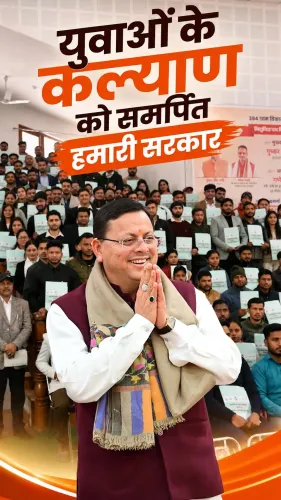
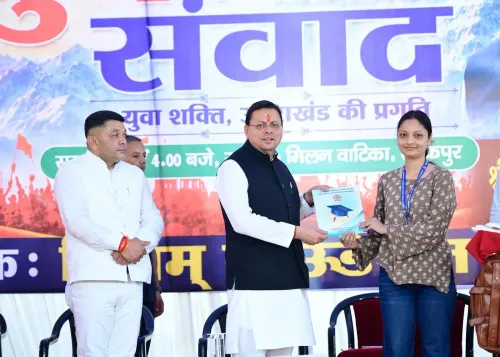
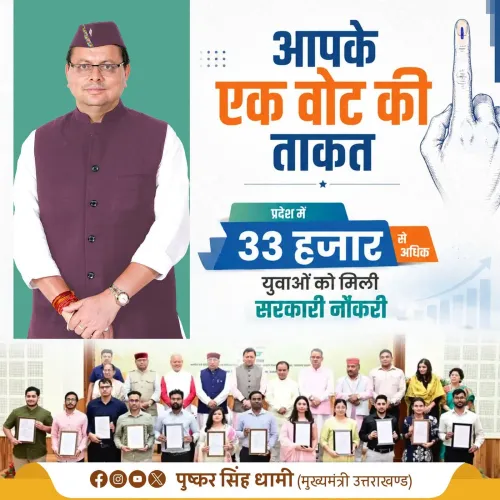
Uttarakhand Chief Minister Pushkar Singh Dhami on 22 June 2026 said the state's transparent recruitment process and strict anti-cheating law are ensuring that meritorious youth receive government job opportunities commensurate with their hard work.
Key Takeaways
CM Pushkar Singh Dhami stated on 22 June 2026 that Uttarakhand's recruitment process is transparent, impartial, and merit-based.
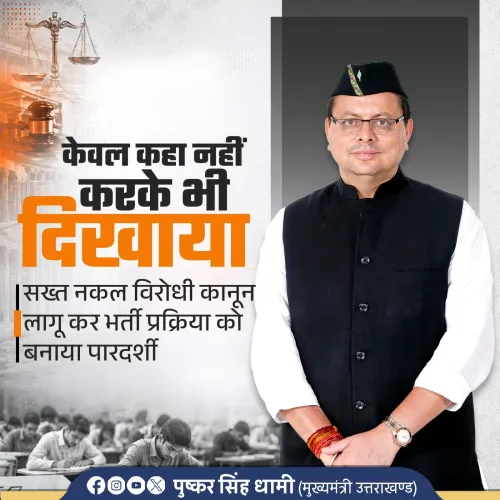
Uttarakhand enacted the Public Examination (Prevention of Unfair Means) Act, 2023 to penalise cheating and paper leaks in government exams.
The post was directed at PM Narendra Modi , Amit Shah , and BJP4India , framing the update as a governance achievement for the party's central leadership.
Several BJP -ruled states have passed similar anti-cheating legislation after high-profile paper-leak scandals in north India.
The state's large youth population depends heavily on government employment given limited private-sector opportunities in the hill region.
Publication of upcoming recruitment results and potential court challenges to the 2023 law will be key indicators of reform credibility.
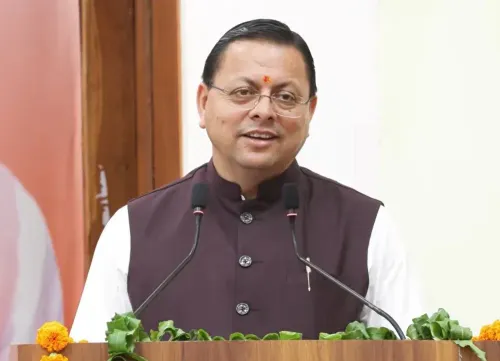
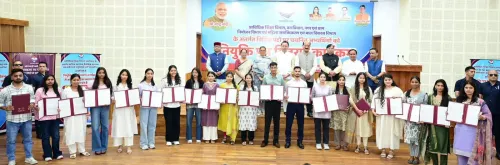
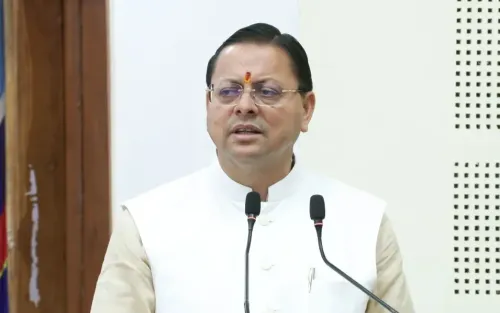
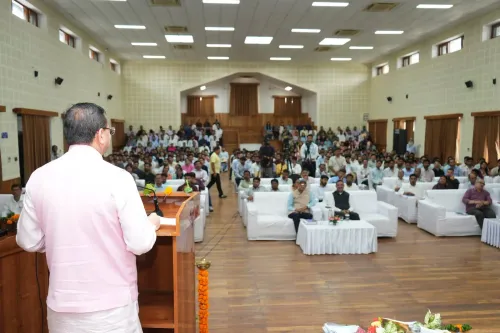
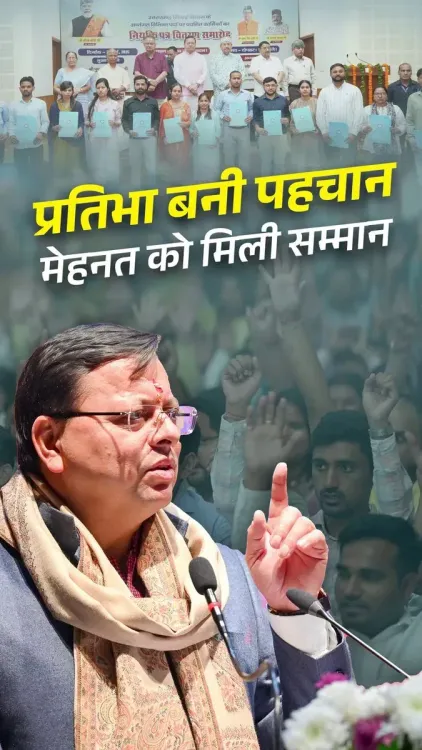
Uttarakhand Chief Minister Pushkar Singh Dhami on Monday, 22 June 2026, credited the state's transparent and impartial recruitment process with giving deserving young candidates the recognition their talent merits, sharing his assessment via a post on X directed at senior BJP leadership including Prime Minister Narendra Modi and Union Home Minister Amit Shah.
In his post, CM Dhami wrote: 'Pradesh mein pardarshi evam nishpaksh bharti prakriya ke madhyam se yuvaon ki yogyata aur pratibha ko nayi pehchaan mil rahi hai' — 'In the state, through a transparent and impartial recruitment process, the competence and talent of the youth is receiving new recognition.' He further stated that a strict anti-copying law and a time-bound selection process are ensuring that meritorious youth receive opportunities commensurate with their hard work.
Context
Uttarakhand has faced, like several north Indian states, the fallout of high-profile examination malpractice cases in teacher and police constable recruitments over the past several years. These scandals eroded public trust in government hiring and triggered widespread protests by job aspirants. CM Dhami's post positions the current administration's reforms as a corrective response to that crisis.
The post was addressed to @narendramodi, @AmitShah, and @BJP4India, signalling that the communication was as much an internal party update as a public statement — a common pattern among state-level BJP leaders showcasing governance wins to the central leadership.
Policy Backdrop
Uttarakhand enacted the Public Examination (Prevention of Unfair Means) Act, 2023, one of the stricter anti-cheating statutes among Indian states, imposing significant penalties for paper leaks, impersonation, and other malpractices in government recruitment examinations. The law was part of a broader legislative wave across BJP-governed states responding to demand from youth for clean hiring.
The central government under Prime Minister Modi has simultaneously pushed technology-driven transparency in public recruitment, including digitised answer sheets and online result portals, providing a policy template that states like Uttarakhand have sought to adapt. The alignment between state and central approaches is a recurring feature of BJP's governance communication.
Stakeholders and Impact
The primary beneficiaries of a credible recruitment system are the hundreds of thousands of young aspirants in Uttarakhand who compete each year for positions in state police, education, and administrative services. For many families in the hill state — where private-sector employment opportunities are limited — a government job represents the most reliable path to economic stability.
Civil society groups and opposition parties have historically demanded independent oversight of recruitment boards, arguing that administrative control alone is insufficient. Any credible reform in this space would need to withstand scrutiny from courts and candidate communities alike. The 2023 anti-cheating law itself may face legal challenges as its implementation deepens.
What's Next
Observers will watch for the publication of upcoming Uttarakhand recruitment results and any judicial review of the Public Examination (Prevention of Unfair Means) Act, 2023. The degree to which candidate communities and opposition parties accept the process as genuinely impartial will be the real test of the reform's success.
For the BJP in Uttarakhand, transparent hiring is emerging as a central plank of its governance narrative ahead of future electoral cycles — a bet that delivering credible jobs to merit-based candidates will translate into durable political capital among the state's large youth demographic.
Point of View
Higher candidate satisfaction, and faster result timelines — will determine whether this becomes a durable electoral asset or a temporary messaging exercise. The youth employment question in hill states like Uttarakhand remains structurally acute, making recruitment credibility a high-stakes political variable.
NationPress
21 Sept 2026
Frequently Asked Questions
What did Uttarakhand CM Dhami say about recruitment in June 2026?
CM Pushkar Singh Dhami stated on 22 June 2026 that Uttarakhand's transparent and impartial recruitment process, backed by a strict anti-cheating law and time-bound selection, is ensuring meritorious youth receive opportunities matching their hard work.
What is Uttarakhand's anti-cheating law for government exams?
Uttarakhand enacted the Public Examination (Prevention of Unfair Means) Act in 2023, which imposes strict penalties for malpractices such as paper leaks and impersonation in state government recruitment examinations.
Why does government recruitment matter so much in Uttarakhand?
Uttarakhand has limited private-sector employment, especially in its hill districts, making government jobs a critical economic lifeline for young aspirants and their families.
How does Uttarakhand's recruitment reform connect to national BJP policy?
The central government under PM Modi has promoted technology-driven transparency in public hiring, and BJP-governed states including Uttarakhand have aligned their anti-cheating legislation and digitised processes with that national template.
What should job aspirants in Uttarakhand watch for next?
Aspirants should monitor the publication of upcoming recruitment results and any court rulings on the 2023 Public Examination (Prevention of Unfair Means) Act, which will indicate how robustly the reform is being implemented.