CM Dhami Touts Uttarakhand Anti-Cheating Law as Recruitment Reform
Synopsis
Uttarakhand CM Pushkar Singh Dhami highlighted the state's strict anti-cheating law for public examinations on 25 May 2026, calling it a fulfilled promise to youth aspirants and a step toward transparent, fair government recruitment.
Key Takeaways
CM Pushkar Singh Dhami declared on 25 May 2026 that Uttarakhand has implemented the country's strictest anti-cheating law for public examinations.
The Uttarakhand Public Examination (Measures for Prevention of Unfair Means) Act, 2023 prescribes up to 10 years imprisonment and heavy fines for cheating offences.
The law was enacted in response to repeated paper-leak scandals and irregularities that had undermined trust in government recruitment in Uttarakhand .
Key affected bodies include the UKSSSC and UKPSC , which now operate under stricter procedural obligations for examination conduct.
Publication of compliance reports and any judicial review of the Act's provisions remain the key developments to watch.
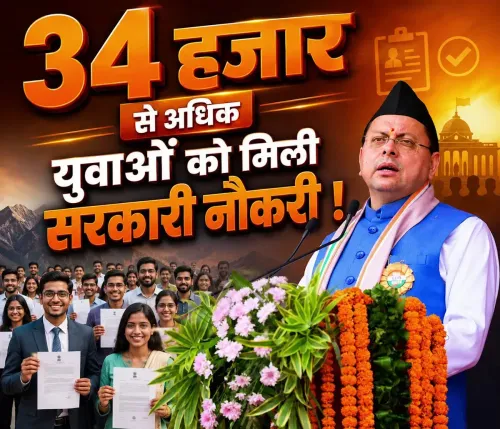
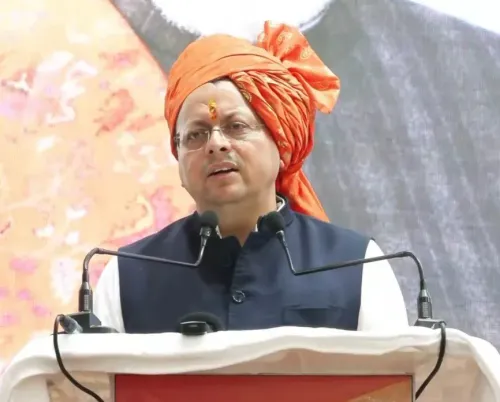
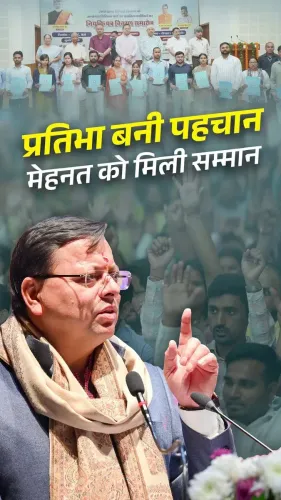
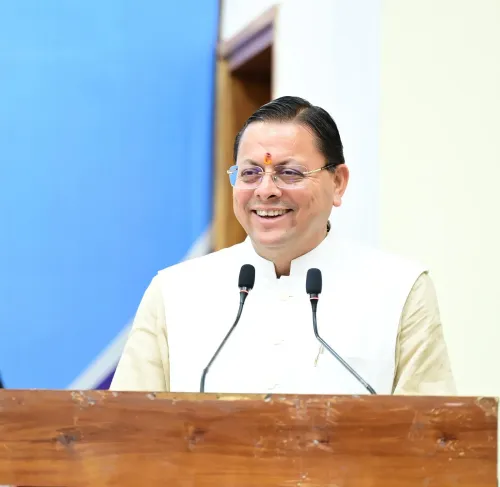
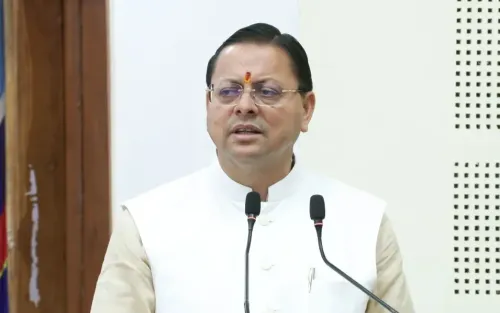
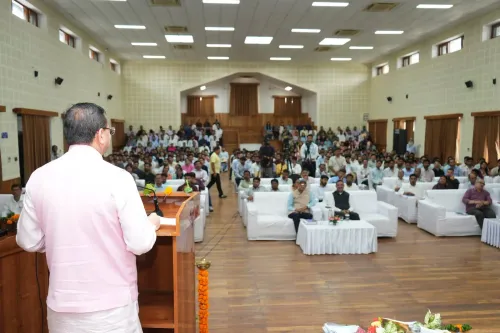
Uttarakhand Chief Minister Pushkar Singh Dhami on Monday, 25 May 2026, asserted that the state has enacted the country's strictest anti-cheating law for public examinations, making the recruitment process fully transparent and fair for deserving candidates.
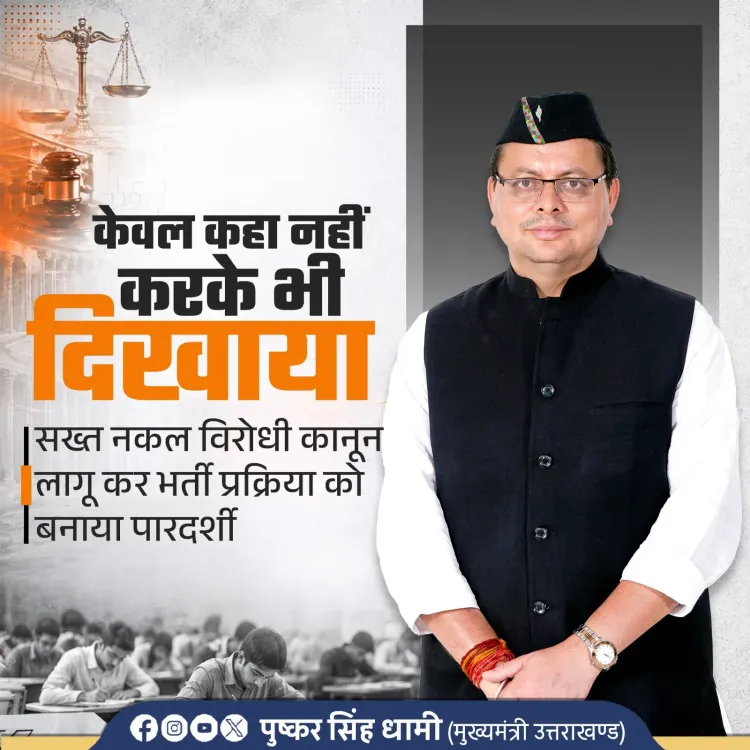
In a post on X, CM Dhami wrote: 'हमने उत्तराखंड में देश का सबसे सख्त नकल विरोधी कानून लागू कर भर्ती प्रक्रिया को पूरी तरह पारदर्शी और निष्पक्ष बनाया है' — 'We have implemented the country's strictest anti-cheating law in Uttarakhand, making the recruitment process fully transparent and impartial.' He added that the promise made to the public had not remained mere words but had been delivered on the ground, ensuring that hardworking and talented youth receive their rightful due.
Context
Uttarakhand has historically faced serious complaints of paper leaks and irregularities in government recruitment examinations, eroding public trust in the hiring process. These concerns created significant pressure on successive state governments to introduce systemic safeguards for lakhs of job aspirants who invest years preparing for competitive exams.
CM Dhami, who has been in office since 2021, has positioned administrative reform and anti-corruption measures as signature priorities of his tenure. His post frames the anti-cheating legislation as a fulfilment of a direct commitment to voters.
Policy Backdrop
In 2023, the Uttarakhand assembly passed the Uttarakhand Public Examination (Measures for Prevention of Unfair Means) Act, which prescribes up to 10 years imprisonment and heavy fines for cheating offences in public examinations. The law targets not only individual candidates but also organised networks involved in paper leaks and impersonation.
The legislation is part of a broader national pattern: multiple Indian states have introduced comparable anti-cheating statutes in the wake of high-profile paper-leak scandals that disrupted lakhs of aspirants' futures and triggered street protests. Uttarakhand's law is among the more stringent versions enacted at the state level.
Stakeholders and Impact
The primary beneficiaries are the state's large population of government job aspirants — students and young professionals who compete for limited posts in departments ranging from police and education to revenue administration. For many families in Uttarakhand, a government job represents economic security, making examination integrity a deeply personal issue.
State recruitment bodies such as the Uttarakhand Subordinate Service Selection Commission (UKSSSC) and the Uttarakhand Public Service Commission (UKPSC) are directly affected, as the law imposes stricter procedural obligations on examination conduct and paper security. Coaching institutes and exam centres also face heightened scrutiny under the new framework.
What's Next
Attention will now turn to whether official compliance reports and outcome data from examinations conducted under the 2023 Act are made public, which would allow independent assessment of the law's real-world impact. Any judicial review of the statute's provisions will also be closely watched by legal observers and aspirant communities.
With assembly cycles and youth employment remaining central electoral concerns in Uttarakhand, the Dhami government's ability to demonstrate measurable improvement in examination integrity will be a key test of its governance credentials going into future polls.
Point of View
Framing a legislative achievement as a kept promise — a narrative particularly potent in a state where exam paper leaks have caused repeated public anger. By invoking 'good governance' and 'honest administration,' he aligns the Uttarakhand model with the BJP's broader anti-corruption brand at the national level. The post also signals that youth employment and examination integrity will remain central planks of his political pitch ahead of future electoral cycles. Whether the law translates into measurable outcomes on the ground will determine how durable this narrative proves to be.
NationPress
9 Oct 2026
Frequently Asked Questions
What is Uttarakhand's anti-cheating law for government exams?
The Uttarakhand Public Examination (Measures for Prevention of Unfair Means) Act, 2023 prescribes up to 10 years imprisonment and heavy fines for cheating, paper leaks, and related offences in public recruitment examinations.
Why did Uttarakhand need a strict anti-cheating law?
Uttarakhand faced repeated complaints of paper leaks and irregularities in government recruitment exams, which eroded public trust and disadvantaged honest aspirants, prompting the state government to enact stricter legislation.
What did CM Pushkar Singh Dhami say about recruitment reform?
On 25 May 2026, CM Dhami stated that the anti-cheating law has made the recruitment process fully transparent and fair, calling it the fulfilment of a promise to hardworking and talented youth.
Which recruitment bodies are affected by Uttarakhand's anti-cheating law?
State bodies including the Uttarakhand Subordinate Service Selection Commission (UKSSSC) and the Uttarakhand Public Service Commission (UKPSC) are directly affected and must follow stricter procedural norms for examination conduct.
Is Uttarakhand the only state with an anti-cheating law for exams?
No. Multiple Indian states have passed comparable anti-cheating statutes following high-profile paper-leak scandals, though Uttarakhand's 2023 law is among the more stringent versions enacted at the state level.