CM Dhami: Anti-Cheating Law Shields Uttarakhand Youth From Exam Mafia
Synopsis
Chief Minister Pushkar Singh Dhami says Uttarakhand's anti-cheating law was enacted to dismantle exam mafias and ensure merit-based government recruitments, ending years of corruption that had undermined youth aspirations in the state.
Key Takeaways
CM Pushkar Singh Dhami publicly acknowledged that earlier government recruitments in Uttarakhand were frequently marred by corruption and suspicion.
The state government enacted the Public Examination (Prevention of Unfair Means) Act in 2023 to criminalise paper leaks and organised cheating.
The law targets 'exam mafias' — organised networks that compromise recruitment examinations through leaked papers and proxy candidates.
Government job aspirants across Uttarakhand are the primary intended beneficiaries of the legislation.
Enforcement outcomes in upcoming Uttarakhand Public Service Commission examinations will determine the law's practical impact.
The move is part of a broader national trend of Indian states strengthening anti-cheating statutes following recruitment scandals between 2022 and 2024 .
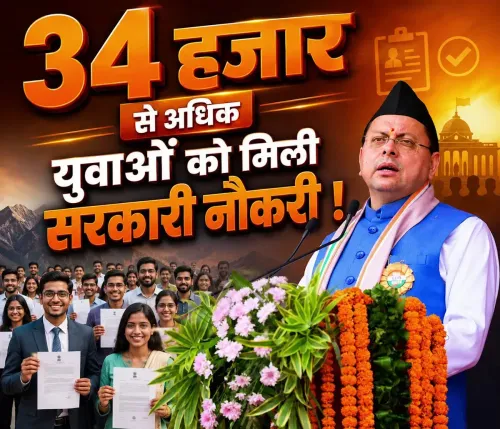
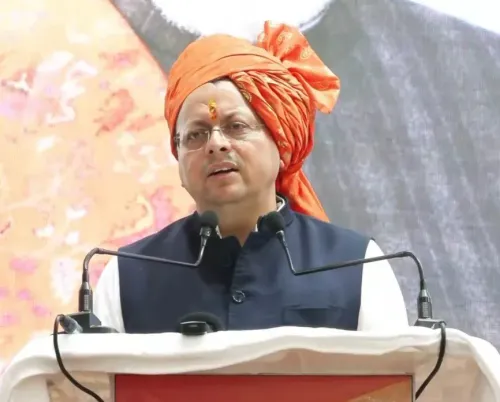
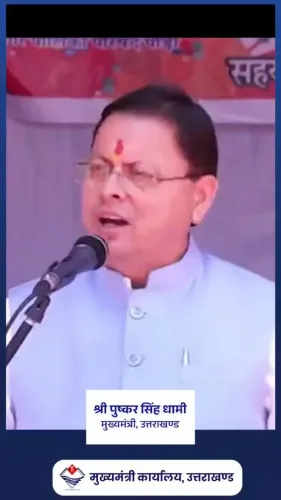
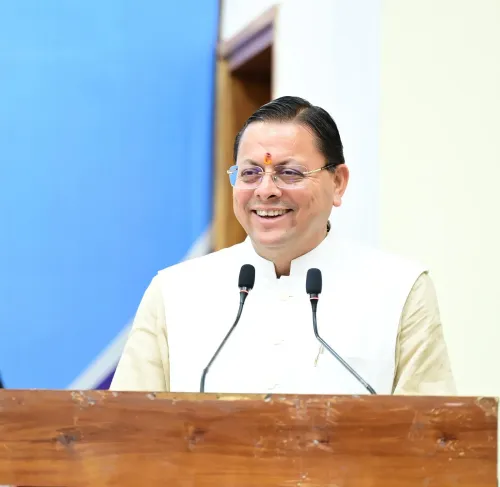
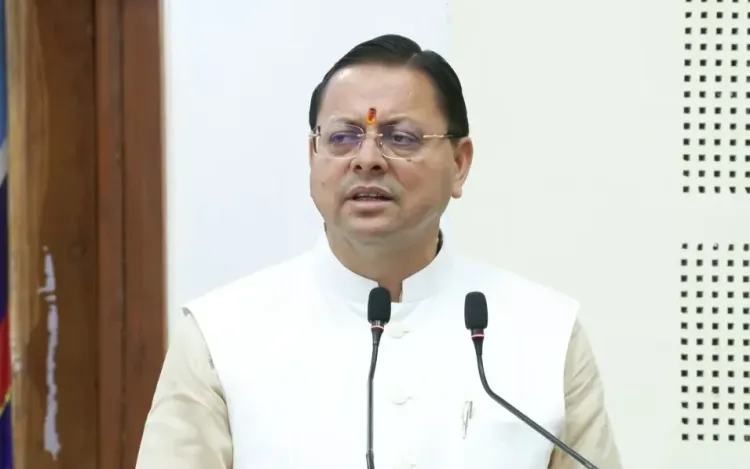
The Chief Minister's Office of Uttarakhand, on Monday, June 1, 2026, shared a statement from Chief Minister Pushkar Singh Dhami asserting that the state government has enacted a strict anti-cheating law to protect the aspirations of young job seekers from organised exam malpractice networks. The remarks underscore the BJP government's commitment to transparent, merit-based public recruitment in Uttarakhand.
Context
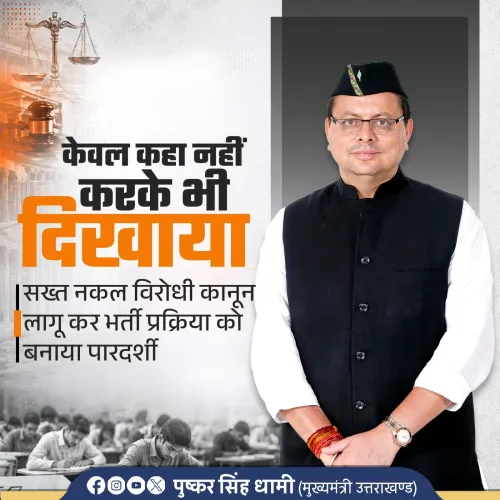
CM Dhami stated: 'Earlier, most recruitments remained mired in corruption and suspicion. Youth lived in fear of whether their selection would ever happen, but our government took a clear resolve that the mafia network would not be allowed to play with the dreams of the youth.' He added that this conviction led to the enforcement of a sख्त नकल विरोधी कानून (strict anti-cheating law).
The statement reflects a direct acknowledgement by the state's top executive that systemic malpractice had previously undermined public confidence in government recruitment processes across Uttarakhand.
Policy Backdrop
In 2023, Uttarakhand enacted the Public Examination (Prevention of Unfair Means) Act, which criminalises paper leaks, impersonation, and other forms of organised cheating in public examinations and recruitment drives. The law prescribes stringent penalties for individuals and networks found guilty of compromising examination integrity.
The legislation followed a broader national pattern: multiple Indian states moved to strengthen anti-cheating statutes after a series of high-profile recruitment scandals between 2022 and 2024 that implicated organised networks in teacher, police, and clerical exam leaks. The intent across these laws has been to deter 'exam mafias' — organised syndicates that trade in leaked question papers and proxy candidates.
Stakeholders and Impact
The primary beneficiaries of the law are Uttarakhand's government job aspirants — a large demographic that includes candidates preparing for state public service, police, and subordinate service commission examinations. For many, a single government job represents years of preparation and a path out of economic precarity.
Prior to such legislative action, recurring allegations of paper leaks and irregularities in state-level recruitments had eroded trust in the selection process, discouraging meritorious candidates and fuelling public anger. The government's public communication on the law signals an effort to rebuild that trust and reassure aspirants that results will reflect genuine merit.
What's Next
The real test of the Public Examination (Prevention of Unfair Means) Act lies in its enforcement during upcoming recruitment cycles conducted by the Uttarakhand Public Service Commission and the state's staff selection bodies. Observers will watch whether prosecutions are initiated under the new law and whether examination processes remain free from irregularities.
Any legal challenges to the law's provisions before the Uttarakhand High Court could also shape how robustly the statute is applied. The government's ability to demonstrate tangible outcomes — clean recruitments and credible appointments — will ultimately determine whether the political promise translates into lasting institutional reform.
Point of View
' the BJP government in Uttarakhand is drawing a sharp contrast with the pre-2021 recruitment environment, a framing designed to consolidate support among the state's large aspirant class. The anti-cheating law fits into a wider BJP governance narrative that positions the party as a clean-administration alternative in states with histories of exam irregularities. However, the credibility of this positioning will depend entirely on whether the law is enforced consistently and whether future recruitments are genuinely insulated from malpractice. The political dividend is real only if the institutional reform is.
NationPress
18 Oct 2026
Frequently Asked Questions
What is Uttarakhand's anti-cheating law for government exams?
The Public Examination (Prevention of Unfair Means) Act , enacted in 2023 , criminalises paper leaks, impersonation, and organised cheating in Uttarakhand's public examinations and government recruitment processes, imposing strict penalties on offenders.
Why did CM Dhami introduce the anti-cheating law in Uttarakhand?
CM Pushkar Singh Dhami stated the law was introduced because earlier recruitments were mired in corruption and exam mafias were undermining the selection process, leaving youth uncertain about whether merit would determine their appointments.
What is an exam mafia in India?
An exam mafia refers to an organised network that trades in leaked question papers, arranges proxy candidates, or bribes officials to manipulate government recruitment examinations, depriving meritorious candidates of fair selection.
Which other Indian states have anti-cheating laws for public exams?
Several Indian states, including Rajasthan , Uttar Pradesh , and others, enacted or strengthened anti-cheating legislation between 2022 and 2024 following high-profile recruitment scandals involving teacher, police, and clerical service exams.
What happens next for Uttarakhand recruitment exams under the new law?
Upcoming examinations by the Uttarakhand Public Service Commission and state staff selection bodies will be the key test of the law's enforcement, with observers watching for prosecutions and clean recruitment outcomes.