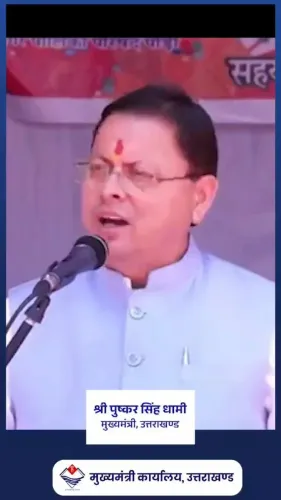
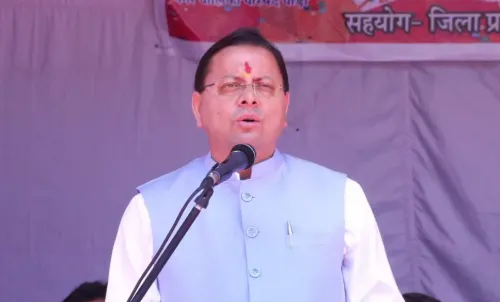
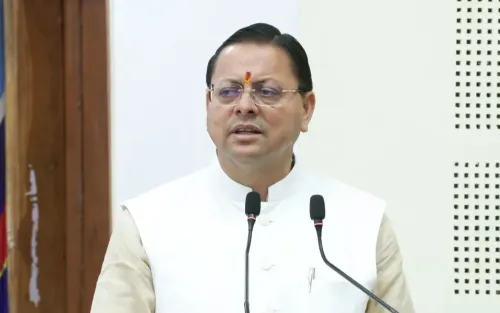
CM Dhami targets Congress over Uttarakhand exam paper leaks
Synopsis
CM Pushkar Singh Dhami attacked Congress on X, claiming the previous government let an exam-cheating mafia thrive in Uttarakhand. He credited his administration's strict anti-cheating law with restoring transparency to the state's public-sector recruitment process.
Key Takeaways
CM Dhami posted on 19 October 2026 accusing Congress of enabling an exam-cheating mafia during its tenure in Uttarakhand.
He stated that his government enacted a strict anti-cheating law to make the recruitment process transparent.
Paper-leak allegations in Uttarakhand Subordinate Service Selection Commission (UKSSSC) exams around 2021 had disrupted recruitment cycles and hit thousands of job aspirants.
Congress last held power in Uttarakhand before 2017 , the period Dhami's BJP identifies as the origin of the alleged nexus.
The effectiveness of the anti-cheating law will be tested in upcoming recruitment cycles and related court proceedings.
BJP-governed states have increasingly used anti-cheating legislation as a campaign-ready governance marker against Congress administrations.
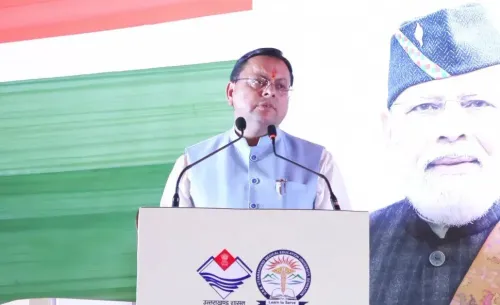
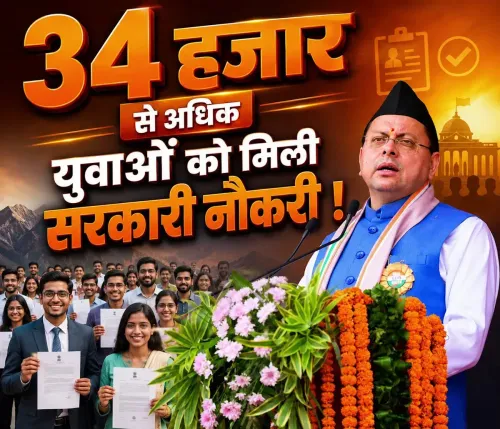
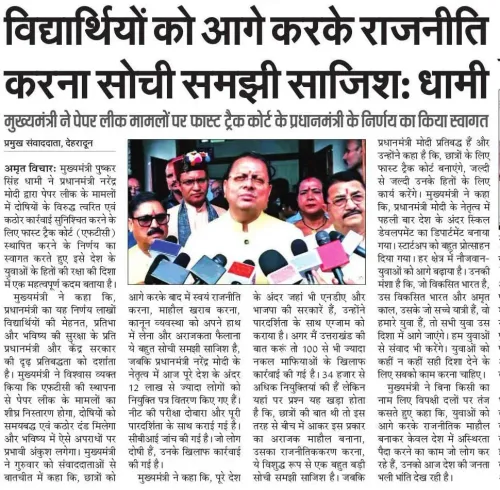
A recruitment scandal that robbed thousands of Uttarakhand's young job-seekers of a fair shot is now the centrepiece of a sharp political offensive. Uttarakhand Chief Minister Pushkar Singh Dhami took to X on Monday, 19 October 2026, accusing the previous Congress government of allowing an exam-cheating mafia to thrive in the state — and holding up his administration's anti-cheating law as proof the system has since been overhauled.
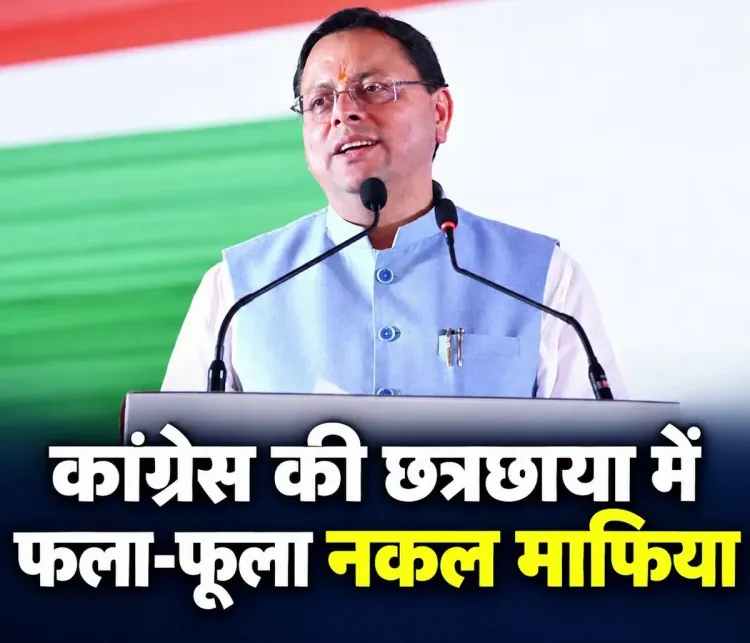
In Hindi, CM Dhami wrote: 'उत्तराखंड में कांग्रेस के शासनकाल में नकल माफिया फला-फूला और प्रदेश के युवाओं के भविष्य के साथ खिलवाड़ हुआ।' ['During Congress's rule in Uttarakhand, the exam-cheating mafia flourished and the futures of the state's youth were toyed with.'] He then drew a direct contrast: 'We changed this system, made the recruitment process transparent by implementing a strict anti-cheating law.'
The paper-leak crisis that shook Uttarakhand's recruitment pipeline
The backdrop to Dhami's broadside is a sequence of highly publicised paper-leak allegations that surfaced around 2021 in examinations conducted by the Uttarakhand Subordinate Service Selection Commission (UKSSSC). Those controversies stalled recruitment cycles, sent aspirants back to square one, and triggered widespread protests from candidates who had spent years preparing for government posts. For a state where a secure government job remains a dominant aspiration for educated youth, each fresh allegation landed as a body blow to an entire generation's plans.
Congress last held power in Uttarakhand before 2017, a period Dhami's BJP routinely frames as the incubation phase for the alleged nexus between paper-leak operators and those in authority. Whether that characterisation fully captures a more complex administrative history is a matter of ongoing political debate — but there is little dispute that irregularities in the state's examination machinery caused real harm to real people.
Dhami's anti-cheating law: the reform BJP is running on
The BJP government introduced stricter legislative measures against unfair practices in public-sector hiring after the UKSSSC controversies came to a head. The exact provisions and enforcement record of the anti-cheating statute remain subjects of scrutiny, and upcoming recruitment cycles will be the real test of whether the new framework delivers on its promise of transparency.
Politically, the move fits a pattern seen across several BJP-governed states: pass visible anti-cheating legislation, then campaign on it as a marker of clean governance against a Congress track record. The argument carries traction in a state where lakhs of aspirants are watching every recruitment notification with hard-won suspicion.
What Uttarakhand's youth are actually watching for
Promises and posts aside, the metric that will define this debate is simple: does the next round of Uttarakhand government recruitments conclude without a paper leak? Every clean examination cycle strengthens Dhami's narrative; any fresh irregularity would hand the opposition a wrecking ball. Court proceedings related to earlier exam fraud cases are also still live — their outcomes could resurface the issue with new force regardless of which government is in the dock.
The CM has framed this squarely as a youth issue, and that framing is politically astute. Exam aspirants vote, they organise, and — as multiple state governments have discovered — they are not easily placated by legislation alone. Delivery is the only currency that counts now.
Point of View
Politically mobilised youth demographic. However, the credibility of the anti-cheating narrative now depends entirely on execution: any fresh paper leak under his watch would collapse the contrast argument instantly. Longer term, the live court proceedings from the UKSSSC cases could either validate Dhami's accountability narrative or complicate it, depending on where institutional culpability is eventually assigned.
NationPress
19 Oct 2026
Frequently Asked Questions
What did CM Dhami say about Congress and the exam mafia in Uttarakhand?
CM Pushkar Singh Dhami accused Congress of allowing an exam-cheating mafia to flourish during its rule in Uttarakhand, saying the party 'toyed with the futures of the state's youth.' He contrasted this with his government's enactment of a strict anti-cheating law to make public-sector recruitment transparent.
What is the UKSSSC paper-leak controversy in Uttarakhand?
The Uttarakhand Subordinate Service Selection Commission (UKSSSC) faced multiple paper-leak allegations around 2021, which derailed recruitment examinations and prompted widespread protests from job aspirants who had prepared for government posts.
Did Uttarakhand pass an anti-cheating law?
Yes, the Dhami government introduced stricter legislative measures against malpractice in public-sector hiring following the UKSSSC paper-leak controversies. The specific provisions and enforcement outcomes are subject to ongoing scrutiny and court proceedings.
When did Congress last rule Uttarakhand?
Congress last held power in Uttarakhand before 2017, the period the BJP under CM Dhami identifies as the phase in which alleged exam-cheating networks were allowed to operate.
How does Uttarakhand's anti-cheating law affect government job aspirants?
The law is intended to deter paper leaks and manipulation in recruitment examinations, offering aspirants a more level playing field. Its real impact will be visible in whether upcoming recruitment cycles for Uttarakhand government posts conclude without fresh irregularities.