CM Dhami: Over 100 Exam Mafia Members Jailed in Uttarakhand
Synopsis
Chief Minister Pushkar Singh Dhami has declared that the Uttarakhand government sent over 100 exam mafia members to jail, framing it as a decisive break from the inaction of previous administrations on examination fraud.
Key Takeaways
CM Pushkar Singh Dhami stated on June 15, 2026 that his government has jailed more than 100 exam mafia members .
He framed the crackdown as a decision that previous governments in Uttarakhand were afraid to take.
Uttarakhand has faced repeated incidents of organised cheating and paper leaks in public examinations and government recruitment tests.
The Dhami government has pursued an enforcement-first approach to examination fraud since taking office in 2021 .
Exam aspirants across Uttarakhand are the primary stakeholders, with credible recruitment processes critical to their employment prospects.
Pending court outcomes and potential technology-based safeguards will determine the long-term impact of the crackdown.
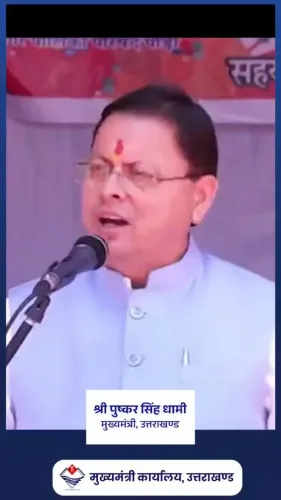
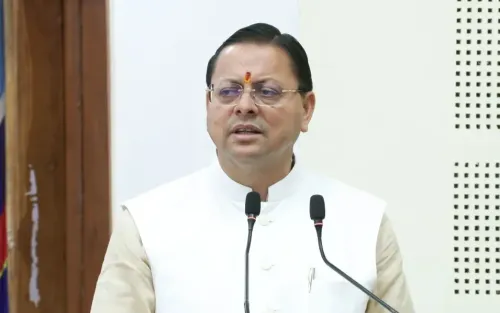
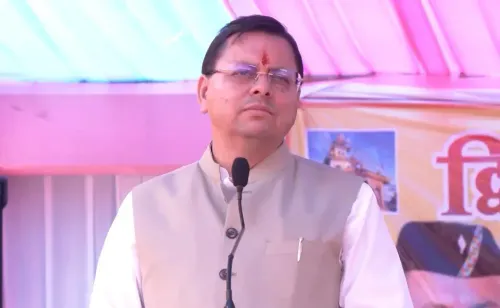
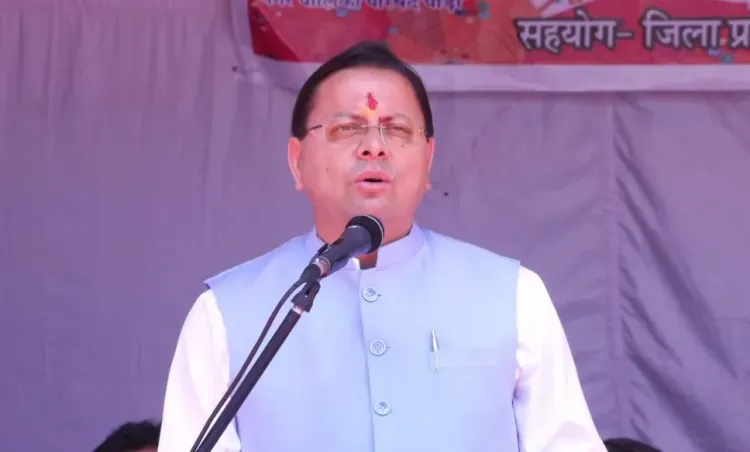
Dehradun, June 15, 2026 — The Chief Minister's Office of Uttarakhand on Monday shared a statement by Chief Minister Pushkar Singh Dhami asserting that his government has taken bold administrative decisions that previous governments avoided, specifically highlighting a crackdown that has sent more than 100 exam mafia members to jail.
Addressing what has become a defining governance theme for his administration, CM Dhami stated — 'Humne woh kathin nirnay liye hain, jinhe lene se pichhli sarkaren darti thin. Humne 100 se adhik nakal mafiyon ko jail bhejne ka kaam kiya hai' — ('We have taken the tough decisions that previous governments were afraid to take. We have sent more than 100 exam mafia members to jail.')
Context
Uttarakhand has faced recurring instances of organised cheating and paper leaks in state-level public examinations and recruitment tests over the past several years. These incidents have repeatedly disrupted the aspirations of lakhs of students and job-seekers who depend on government recruitment processes for employment. The issue gained particular urgency after a wave of high-profile paper leak cases surfaced across multiple Indian states from 2022 onwards.
Policy Backdrop
Since Dhami assumed office in 2021, his government has pursued a visible enforcement push against those accused of facilitating cheating in examinations. The administration built on earlier state-level attempts at reform, introducing stricter action against accused individuals and signalling zero tolerance for examination fraud. The rhetoric of acting decisively where previous governments failed is a consistent strand of the BJP-led government's anti-corruption messaging in Uttarakhand.
Across India, particularly in BJP-governed states, crackdowns on examination mafias have become a visible political and administrative priority. These efforts are framed as essential to restoring credibility in government job recruitment and educational board examinations, processes that are critical to millions of young aspirants in states like Uttarakhand.
Stakeholders and Impact
The primary beneficiaries of any successful crackdown are Uttarakhand's exam aspirants — students and young professionals preparing for state government recruitment tests, police constable exams, teacher eligibility tests, and other competitive examinations. Organised cheating networks inflate the cost and uncertainty of these processes, disadvantaging genuine candidates. Arrests and prosecutions, if sustained through the courts, are intended to deter future fraud and rebuild public trust in the examination system.
Critics and opposition parties have previously questioned whether enforcement actions translate into lasting systemic reform, including structural changes to how examinations are conducted and question papers are secured. The durability of the crackdown will depend significantly on the outcomes of pending cases against those arrested.
What's Next
Attention will now turn to the judicial outcomes of the cases filed against those arrested, and whether the Dhami government introduces additional technology-based safeguards — such as digital question paper delivery or biometric verification — for upcoming rounds of public examinations in Uttarakhand. The government's ability to sustain this enforcement momentum and demonstrate convictions, not just arrests, will be the true measure of its anti-exam-mafia drive.
Point of View
Particularly ahead of election cycles. The framing — 'decisions previous governments feared to take' — is a deliberate contrast narrative aimed at consolidating the image of decisive administration against a backdrop of entrenched corruption. However, the real political and policy test lies not in arrests but in convictions and structural reform: without durable changes to examination infrastructure, such crackdowns risk being perceived as episodic rather than systemic. The statement's timing and tone suggest the government is keen to anchor its identity on this issue as a differentiator for Uttarakhand's youth demographic.
NationPress
14 Sept 2026
Frequently Asked Questions
How many exam mafia members has the Uttarakhand government jailed?
Chief Minister Pushkar Singh Dhami has stated that his government has sent more than 100 exam mafia members to jail in Uttarakhand.
What is the exam mafia problem in Uttarakhand?
Uttarakhand has faced repeated incidents of organised cheating, paper leaks, and fraud in state-level public examinations and government recruitment tests, harming genuine aspirants competing for government jobs.
When did CM Dhami make this statement about exam mafia?
The Chief Minister's Office of Uttarakhand shared CM Dhami's statement on June 15, 2026.
What action has the Dhami government taken against paper leaks?
Since 2021, the Dhami government has pursued enforcement action against those accused of facilitating examination fraud, including arrests of individuals linked to exam mafias operating in Uttarakhand.
Which examinations in Uttarakhand have been affected by paper leaks?
State government recruitment tests, police constable exams, and teacher eligibility tests have been among the examinations in Uttarakhand that have faced allegations of organised cheating and paper leaks in recent years.