CM Manik Saha urges citizens to register for Census 2026
Synopsis
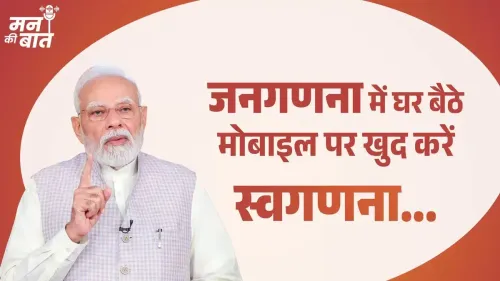
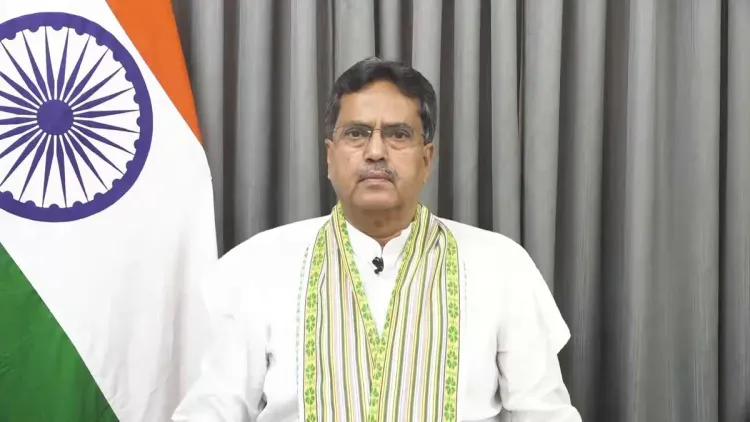
Tripura Chief Minister Dr. Manik Saha on 17 July 2026 urged citizens to use the Online Self Enumeration portal (se.census.gov.in) before the National Census 2026 begins physical enumeration on 1 August 2026, calling accurate data the foundation of a Developed India.
Key Takeaways
Manik Saha shared details of the National Census 2026 on 17 July 2026 .
An Online Self Enumeration window is open from 17 July to 31 July 2026 at se.census.gov.in .
Physical door-to-door enumeration is scheduled to begin from 1 August 2026 .
The 2011 Census is the last completed decennial count; the 2021 exercise was deferred due to the COVID-19 pandemic .
Census data determines welfare resource allocation, constituency delimitation, and infrastructure planning across India.
Saha framed accurate citizen participation as essential to building a Viksit Bharat (Developed India).
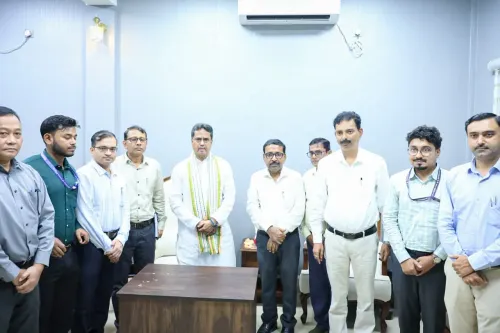
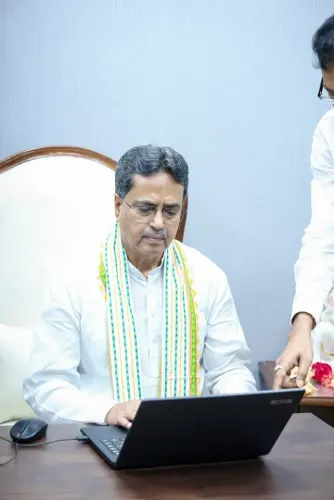
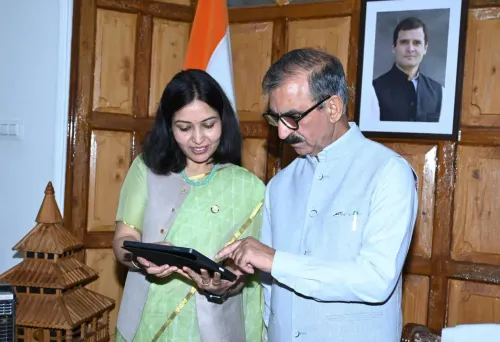
Tripura Chief Minister Dr. Manik Saha on Friday, 17 July 2026 called on citizens across India to participate in the upcoming national census, sharing details of the Online Self Enumeration window and the official portal for registration.
In his post, Dr. Saha wrote in Bengali: 'জনগণনা শুধু একটি পরিসংখ্যান নয়, এটি উন্নত ও জনকল্যাণমুখী নীতি নির্ধারণের ভিত্তি' — translating to: 'A census is not merely a statistic; it is the foundation for progressive, welfare-oriented policymaking.' He urged citizens to register their information accurately on the self-enumeration portal, stating that correct data would build the foundation of a 'Viksit Bharat' (Developed India).
Context
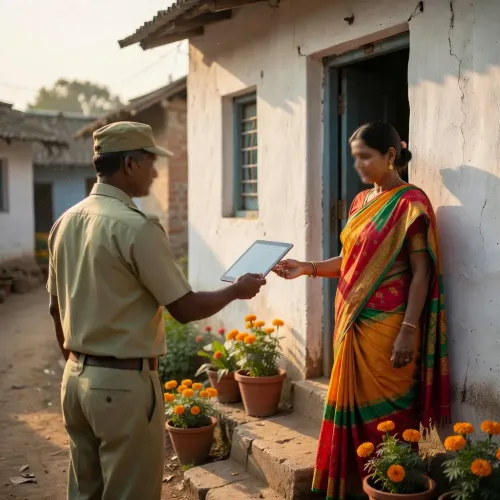
The National Census 2026 is set to begin physical enumeration from 1 August 2026. Ahead of that, an Online Self Enumeration phase runs from 17 July to 31 July 2026, allowing citizens to proactively register their household and demographic details at the official portal se.census.gov.in. Dr. Saha's post is among a wave of awareness drives by state leaders to maximise citizen participation in this digital-first phase.
Policy Backdrop
India's decennial census is conducted by the Registrar General and Census Commissioner of India, an office under the Ministry of Home Affairs. The 2011 Census remains the most recently completed enumeration exercise, making the forthcoming count especially significant after a gap of over a decade. The 2021 Census, originally notified in 2019 with provisions for digital data capture and self-enumeration, was postponed due to the COVID-19 pandemic, pushing the exercise to the current 2026 cycle.
The introduction of the Online Self Enumeration option reflects a broader government push to modernise data collection, reduce enumerator burden, and improve accuracy. Census data feeds directly into delimitation of constituencies, allocation of welfare funds, and targeting of central and state government schemes.
Stakeholders and Impact
Every Indian citizen is a stakeholder in the census exercise. Accurate enumeration determines the distribution of resources under flagship welfare programmes, influences parliamentary and assembly seat delimitation, and shapes infrastructure planning at the district and block level. State governments, including Tripura's, rely on census data to project demand for housing, healthcare, education, and employment schemes.
For a state like Tripura, which has a diverse demographic profile including tribal communities, accurate census data is particularly critical for targeted welfare delivery and for determining the composition of the Tripura Tribal Areas Autonomous District Council.
What's Next
Citizens have until 31 July 2026 to complete self-enumeration online before physical door-to-door enumeration begins on 1 August 2026. Policymakers and civil society groups are expected to monitor participation rates closely, particularly in rural and digitally underserved regions, to assess whether supplementary outreach is needed. Parliamentary scrutiny of census preparedness and coverage is anticipated as the enumeration progresses through its subsequent phases.
Point of View
Using social media to drive grassroots awareness in a language accessible to Tripura's Bengali-speaking population. The timing — on the very first day of the self-enumeration window — signals coordinated outreach rather than spontaneous commentary. With India's last completed census now fifteen years old, the political stakes around participation rates are high: low enumeration could distort welfare targeting and delimitation outcomes in ways that affect every party's electoral arithmetic. The BJP's emphasis on 'Viksit Bharat' as the framing device also ties the bureaucratic census exercise to the ruling party's broader development narrative ahead of future electoral cycles.
NationPress
16 Oct 2026
Frequently Asked Questions
What is the Online Self Enumeration for India Census 2026?
Online Self Enumeration is a phase of the National Census 2026 during which citizens can register their own household and demographic details on the official portal se.census.gov.in, running from 17 July to 31 July 2026, before physical enumeration begins on 1 August 2026.
How do I register for India Census 2026 online?
Citizens can visit the official portal se.census.gov.in between 17 July and 31 July 2026 to self-register their information as part of the Online Self Enumeration phase of the National Census 2026.
Why was India's census delayed from 2021 to 2026?
The 2021 Census, originally notified in 2019, was postponed due to the COVID-19 pandemic, which disrupted the large-scale field operations required for door-to-door enumeration across the country.
What is the last completed census in India?
The 2011 Census is the most recently completed decennial enumeration exercise in India, conducted by the Registrar General and Census Commissioner of India under the Ministry of Home Affairs.
Why is census data important for welfare schemes in India?
Census data is used to determine the allocation of welfare funds, target beneficiaries of central and state government schemes, plan infrastructure, and delimit parliamentary and assembly constituencies, making accurate participation critical for equitable resource distribution.