PM Modi urges Indians to leave water out for birds in heat
Synopsis
Prime Minister Narendra Modi on 27 May 2026 urged Indians to place small water-filled containers outside their homes and offices to help birds and animals survive the intense summer heat, calling for compassion toward all living beings during difficult days.
Key Takeaways
PM Modi posted a Hindi appeal on 27 May 2026 asking citizens to leave water out for birds and animals during the intense summer heat.
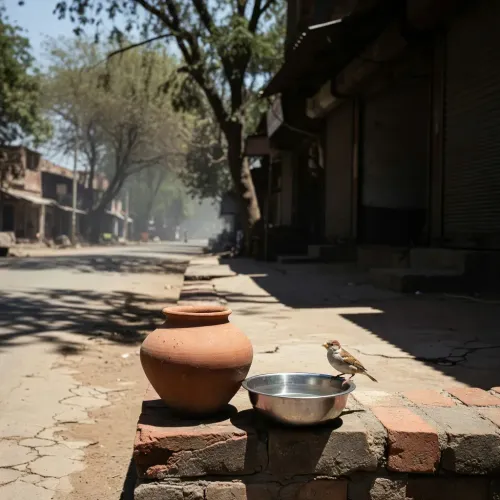
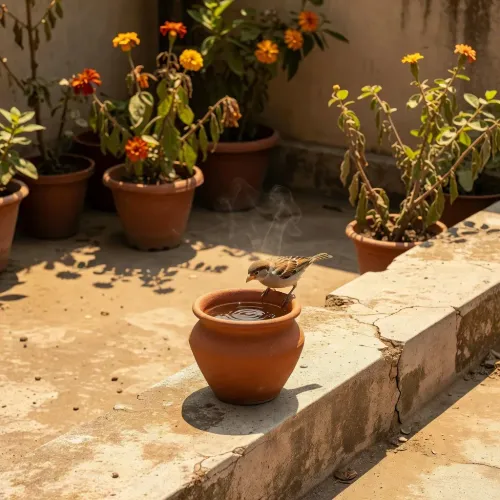
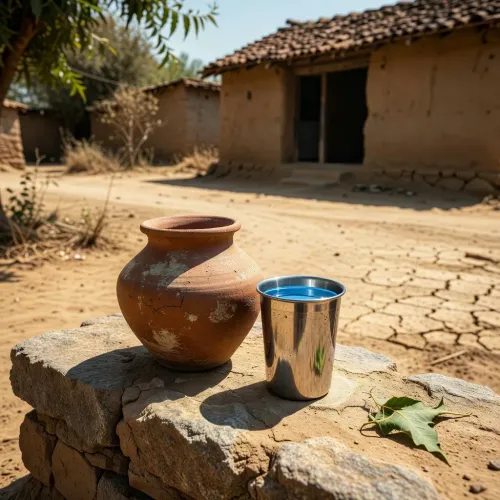
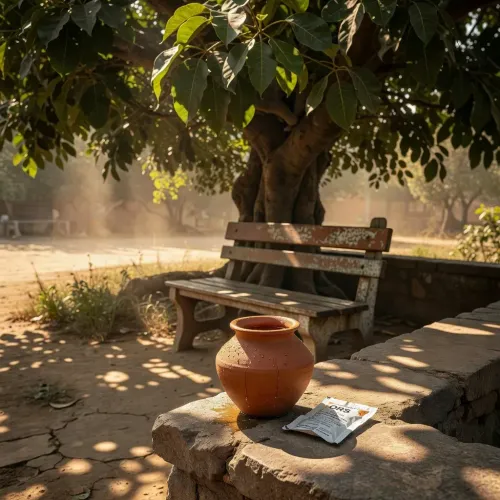
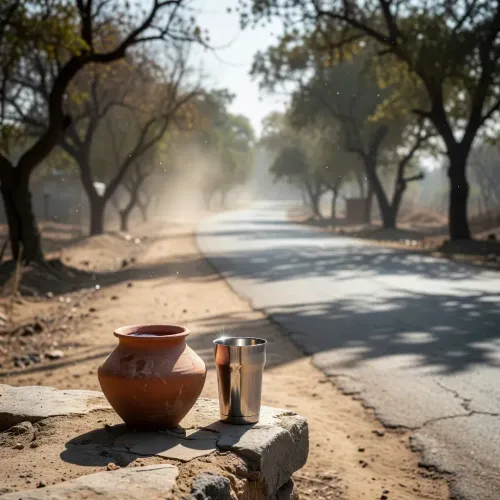
He suggested placing a small water-filled vessel outside homes, balconies, rooftops, shops, or offices as a simple, immediate act of care.
Modi described even a small container of water as potentially 'a lifeline for a thirsty bird.' The appeal fits a recurring pattern of seasonal civic outreach by the Prime Minister on animal welfare during summer heatwaves.
India's Prevention of Cruelty to Animals Act, 1960 provides legal protections for animals but does not mandate proactive water provisioning — making voluntary citizen action critical.
State-level Heat Action Plans cover livestock in some regions but urban free-roaming wildlife remains largely dependent on citizen initiatives.
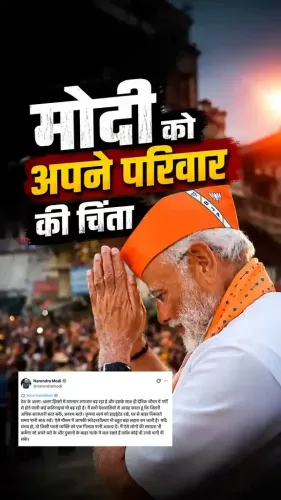
Prime Minister Narendra Modi on Wednesday, 27 May 2026 appealed to citizens across India to place small containers of water outside their homes, balconies, rooftops, shops, and offices to help birds and animals survive the intense summer heat. The appeal, posted in Hindi on X, called on people to extend compassion not only to fellow humans but also to the animals around them during what he described as difficult days.
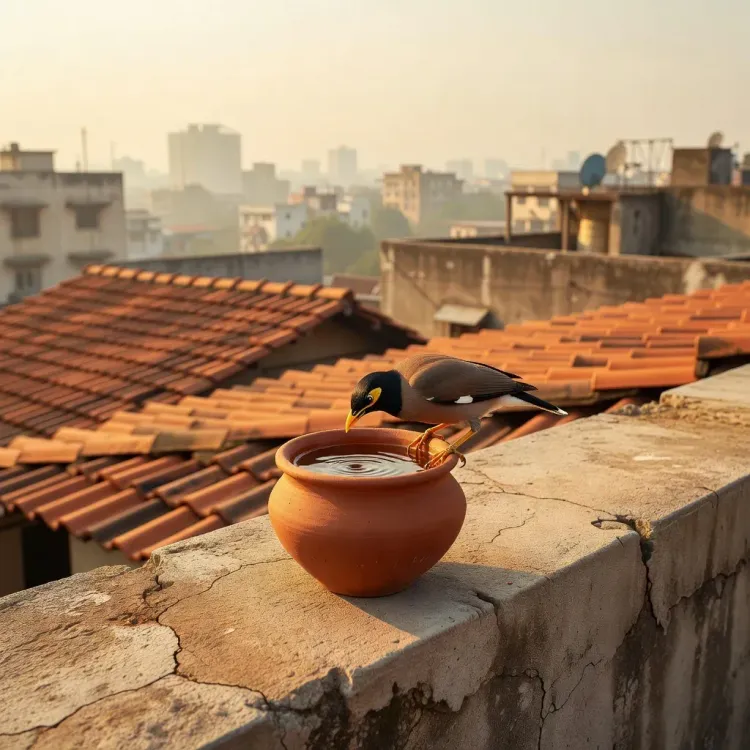
In the post, Modi wrote: 'इस प्रचंड गर्मी में हमें अपने आसपास के पशु-पक्षियों को भी नहीं भूलना चाहिए' ('In this intense heat, we must not forget the birds and animals around us'). He added that placing even a small water-filled vessel outside one's door 'can be a lifeline for a thirsty bird,' and urged citizens to care for one another — human and animal alike — with full sensitivity and compassion.
Context
India's summers have grown progressively more severe, with heatwaves regularly pushing temperatures above 45 degrees Celsius across large parts of the country. Urban heat islands amplify the stress on wildlife, which loses access to natural water sources as ponds and streams dry up. Birds and stray animals in cities are among the most vulnerable, with little shade or water available in densely built neighbourhoods.
Modi has issued comparable seasonal appeals in previous summers, making this a recurring pattern of civic outreach that complements formal government mechanisms. The message reaches hundreds of millions of followers on X and is widely shared, functioning as a low-cost public-awareness nudge.
Policy Backdrop
India's foundational animal welfare law, the Prevention of Cruelty to Animals Act, 1960, established legal protections against unnecessary suffering and led to the creation of the Animal Welfare Board of India. However, the Act does not mandate proactive provisioning of water or food for wildlife in urban settings — making voluntary citizen action of the kind Modi is encouraging especially significant.
Several state governments maintain Heat Action Plans that include advisories for livestock and working animals, though coverage for free-roaming urban wildlife remains patchy. Animal welfare advocates have long argued for stronger integration of non-human welfare into municipal climate-adaptation strategies.
Stakeholders and Impact
The appeal is directed at urban and peri-urban residents — apartment dwellers with balconies, shopkeepers, and office-goers — who are in a practical position to act immediately at near-zero cost. A single clay pot or steel bowl filled with fresh water can serve multiple birds and small animals through the day. Resident welfare associations and municipal bodies in cities such as Delhi, Jaipur, Nagpur, and Ahmedabad have in past years run parallel campaigns encouraging the same practice.
Wildlife rehabilitators note that dehydration is among the leading causes of bird mortality during peak summer months. Sparrows, mynas, pigeons, crows, and parakeets — common urban species — are the most direct beneficiaries of such citizen-level interventions.
What's Next
The post is likely to trigger a wave of social media participation, with citizens sharing photographs of water bowls they have placed outside — a pattern seen after similar appeals in previous years. Attention will also fall on whether state governments update their Heat Action Plans to formally include provisions for urban wildlife, and whether Parliament takes up any amendments to strengthen the Prevention of Cruelty to Animals Act, 1960. For now, the Prime Minister's message places the immediate responsibility — and the opportunity — squarely with individual citizens.
Point of View
High-reach civic nudge that costs the government nothing but generates visible goodwill by connecting a universal moral instinct — compassion for animals — to a concrete, doable action. It also subtly reinforces his administration's broader climate-adaptation messaging without invoking contested policy territory. The recurring nature of such summer appeals suggests a deliberate communication strategy: position the Prime Minister as a moral anchor on non-partisan social issues, building personal affinity that transcends electoral cycles. Whether these posts translate into measurable behavioural change or pressure on municipal bodies to formalise urban wildlife welfare remains an open question.
NationPress
20 Sept 2026
Frequently Asked Questions
Why did PM Modi ask people to keep water for birds?
PM Modi made the appeal on 27 May 2026 because intense summer heat dries up natural water sources, leaving urban birds and animals at risk of dehydration and death. He urged citizens to place a small water-filled container outside their homes or offices as a simple act of compassion.
What did PM Modi say about animals in the heat?
Modi wrote in Hindi that in the intense heat, people must not forget the birds and animals around them. He said even a small vessel of water placed outside can be a lifeline for a thirsty bird, and called on everyone to care for each other — human and animal — with sensitivity and compassion.
How can I help birds survive the summer heat in India?
Placing a small bowl or clay pot filled with fresh water on a balcony, rooftop, windowsill, or outside a shop or office is one of the most effective ways to help urban birds. The water should be changed daily to prevent mosquito breeding and kept in a shaded spot to stay cool longer.
What is India's law on animal welfare?
The Prevention of Cruelty to Animals Act, 1960 is India's primary animal welfare legislation. It prohibits unnecessary pain or suffering inflicted on animals and established the Animal Welfare Board of India, but it does not require citizens to actively provide food or water to free-roaming wildlife.
Does India have a heat action plan for animals?
Several Indian states include livestock and working animals in their Heat Action Plans, but coverage for free-roaming urban wildlife such as birds and stray animals is limited. Animal welfare advocates have called for stronger integration of non-human welfare into municipal climate-adaptation strategies.