Heatwave Alert: North India Scorches at 45°C, IMD Warning Till April 28
Synopsis
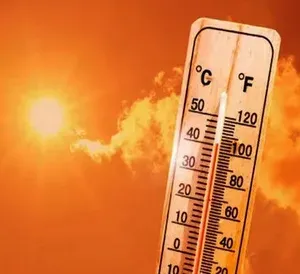
North India is scorching under a severe heatwave with Delhi hitting 44.5°C and Prayagraj recording 45.2°C — the highest this season. IMD has issued alerts for 5 states till April 28. What's alarming: the heat may now push south toward Kerala, signalling a broader climate disruption across India.
Key Takeaways
Delhi recorded a season-high temperature of 44.5°C on April 26, 2025 , with temperatures remaining above 40°C on Sunday under a yellow alert .
Prayagraj, Uttar Pradesh logged the state's highest temperature at 45.2°C , triggering severe heat alerts in 32 districts .
The IMD heatwave alert covers Punjab, Haryana, Delhi, Rajasthan, UP, MP, Chhattisgarh, and Vidarbha and is valid until April 28, 2025 .
Heatwave conditions may extend to Kerala and Mahe in southern India in the coming days, signalling an unusually widespread heat event.
Authorities advise avoiding outdoor exposure between 12 noon and 3 p.m. and warn strictly against leaving children or pets in parked vehicles .
Climate experts warn that May 2025 could bring even more intense heat, as pre-monsoon temperatures typically peak next month.
A severe heatwave has tightened its grip across North and Central India, pushing temperatures to dangerous extremes and prompting the India Meteorological Department (IMD) to issue urgent public health alerts valid through April 28, 2025. The crisis is unfolding across multiple states simultaneously, exposing millions of citizens — particularly the elderly, outdoor workers, and children — to life-threatening heat stress.
Delhi and Prayagraj Record Season-High Temperatures
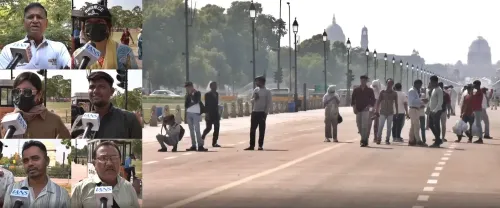
New Delhi recorded its highest temperature of the season on Saturday, April 26, with the mercury touching 44.5 degrees Celsius — significantly above the seasonal average of around 36–37°C for late April. By Sunday, temperatures remained stubbornly above 40 degrees Celsius, confirming persistent heatwave conditions across the capital.
Several Delhi neighbourhoods also reported scorching hot winds (loo), a characteristic feature of intense heatwaves in the Indo-Gangetic plains. Authorities have placed the city under a 'yellow alert', the first formal tier in India's colour-coded weather warning system, signalling the need for vigilance.
In Uttar Pradesh, Prayagraj emerged as the hottest city in the state, recording a maximum of 45.2 degrees Celsius — the highest temperature logged in the state so far this season. The state government has issued a severe heat alert across 32 districts, underscoring the geographic breadth of the crisis.
IMD Warning: States on High Alert Until April 28
The IMD has forecast that heatwave conditions will persist across Northwest and Central India until April 28. The most severely affected states include Punjab, Haryana, Delhi, Rajasthan, and Uttar Pradesh, where temperatures are expected to hover between 40 and 45 degrees Celsius.
In Central India, states such as Madhya Pradesh, Chhattisgarh, and the Vidarbha region of Maharashtra are also experiencing extreme heat conditions. The IMD has further warned that heatwave-like conditions may soon extend southward, potentially affecting Kerala and the union territory of Mahe in the coming days — an unusual development that signals a broader atmospheric disruption.
Health Advisories and Precautions Issued
The IMD and health authorities have issued a series of advisories urging citizens to minimise heat exposure. Residents are strongly advised to avoid direct sunlight between 12 noon and 3 p.m., the peak heat window, and to stay hydrated by drinking water regularly — even in the absence of thirst.
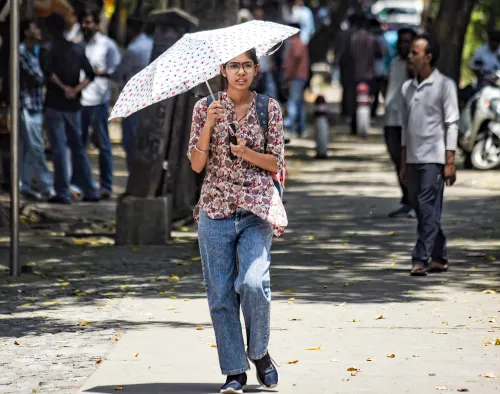
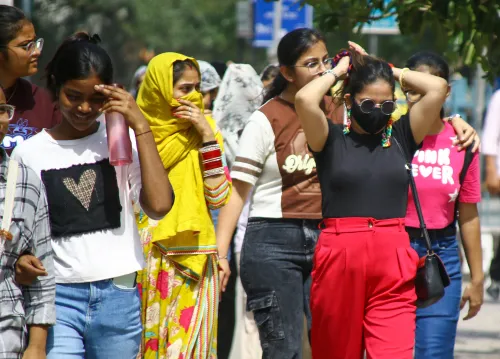
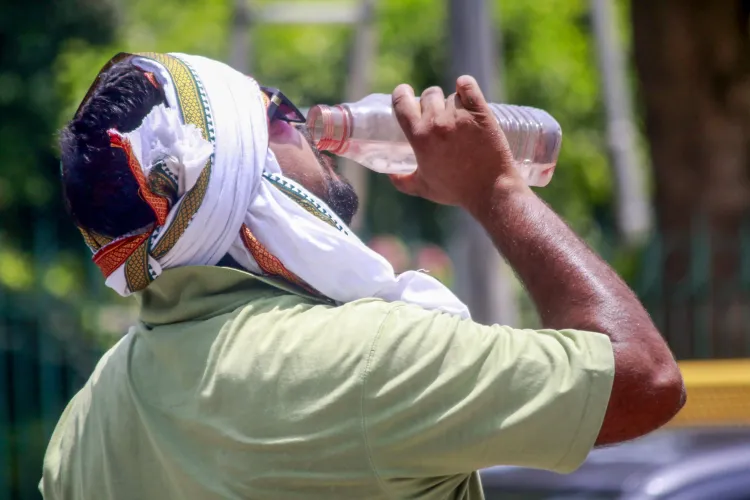
Authorities recommend wearing light-coloured, loose-fitting cotton clothing and using protective accessories such as hats, umbrellas, and sunglasses when venturing outdoors. Outdoor workers are specifically advised to keep a damp cloth on the head and neck to manage body temperature.
A strict warning has been issued against leaving children or pets inside parked vehicles, which can turn into death traps within minutes under extreme heat. Experts caution that vulnerable populations — including the elderly, infants, pregnant women, and those with pre-existing conditions — face the highest risk of heatstroke and heat exhaustion.
Deeper Context: A Pattern of Worsening Summers
This heatwave is not an isolated event. India's summers have been intensifying progressively, with the IMD and global climate agencies repeatedly flagging the subcontinent as one of the world's most heat-vulnerable regions. April 2024 similarly saw dangerous heat spells across North India, and 2023 recorded one of the hottest pre-monsoon seasons in decades.
Notably, the urban heat island effect in cities like Delhi and Lucknow amplifies ground-level temperatures beyond what official weather stations record, meaning actual felt temperatures in densely populated localities can be several degrees higher. This structural vulnerability disproportionately impacts daily wage workers, street vendors, construction labourers, and slum residents who have no access to air conditioning or cool shelters.
Critics and urban planners have long argued that India's heat action plans — while existing on paper in several cities — remain poorly funded and inconsistently implemented. The absence of adequate public cooling centres, shaded rest zones, and employer-mandated outdoor work restrictions during peak heat hours leaves millions unprotected.
What to Expect Next
With the IMD's alert window extending to April 28, residents across the affected states should prepare for at least two to three more days of intense heat before any potential relief. Meteorologists indicate that a western disturbance may bring marginal temperature relief to parts of Northwest India post-April 28, but no significant rainfall is anticipated in the near term.
If current atmospheric patterns hold, May 2025 could see even more extreme temperatures, as it typically marks the peak of India's pre-monsoon heat season. Public health systems in affected states must urgently scale up preparedness to prevent heat-related fatalities — a number that, historically, India has significantly undercounted.
Point of View
The ground reality is that crores of daily wage workers, construction labourers, and street vendors have zero institutional protection against lethal heat. The irony is stark: India has signed global climate commitments and published heat action plans, yet public cooling centres remain scarce and outdoor work restrictions during peak heat hours are virtually unenforced. Until heat deaths are counted honestly and accountability is fixed on state governments, these annual alerts will remain exercises in paperwork rather than lifesaving action.
NationPress
6 Oct 2026
Frequently Asked Questions
Which states are under IMD heatwave alert in April 2025?
The IMD has issued heatwave alerts for Punjab, Haryana, Delhi, Rajasthan, Uttar Pradesh, Madhya Pradesh, Chhattisgarh, and the Vidarbha region until April 28, 2025. Parts of southern India including Kerala and Mahe may also experience heatwave-like conditions soon.
What was Delhi's highest temperature this season?
Delhi recorded its highest temperature of the season at 44.5 degrees Celsius on Saturday, April 26, 2025, according to the India Meteorological Department. On Sunday, the temperature remained above 40 degrees Celsius, sustaining heatwave conditions.
What precautions should people take during the heatwave?
People should avoid direct sun exposure between 12 noon and 3 p.m., drink water frequently, and wear light-coloured loose cotton clothing. Protective gear like hats, umbrellas, and sunglasses is recommended, and children or pets must never be left inside parked vehicles.
How long will the heatwave last in North India?
The IMD has forecast that heatwave conditions will persist across Northwest and Central India until at least April 28, 2025. A marginal reduction in temperatures may occur after that date, but no significant rainfall relief is expected immediately.
What was the hottest temperature recorded in Uttar Pradesh during this heatwave?
Prayagraj recorded the highest temperature in Uttar Pradesh at 45.2 degrees Celsius, making it the hottest reading in the state this season. The state government has issued severe heat alerts across 32 districts in response.