Heatwave Scorches Delhi & North India; UP Issues Alert for 32 Districts

Synopsis
A severe heatwave has engulfed Delhi and North India with temperatures hitting 43°C — 4.7 degrees above normal at some stations. The IMD has issued a yellow alert for Delhi while Uttar Pradesh has declared a heat emergency across 32 districts, with no relief forecast in the near term.
Key Takeaways
Delhi's first heatwave of 2025 was officially recorded on April 25 , with Lodhi Road (41.8°C) and Ridge (43.1°C) stations crossing the IMD threshold.
Safdarjung station logged 41.9°C — 4.2 degrees above normal — narrowly missing the official heatwave declaration.
The IMD issued a yellow alert for Delhi, warning of continued extreme heat with no relief expected on Saturday, April 26 .
Uttar Pradesh has declared a severe heat emergency across 32 districts , including Varanasi, Prayagraj, Gorakhpur, and Bahraich.
Temperatures across Delhi were recorded 1.6 to 3.0 degrees Celsius above seasonal averages over the past 24 hours.
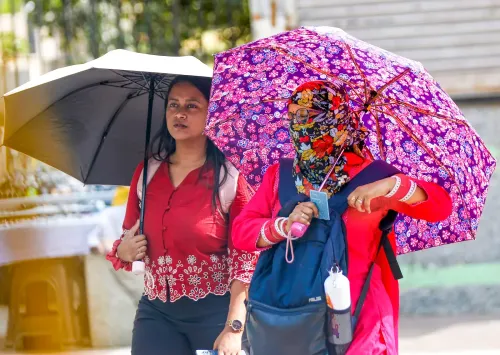
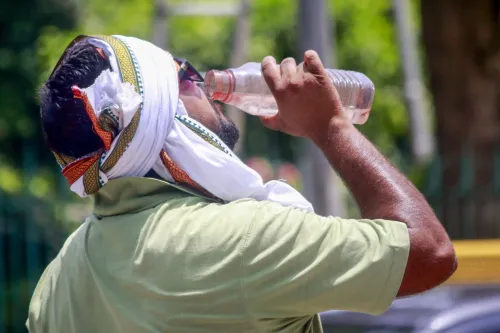
Authorities have urged residents to avoid outdoor exposure between 12 PM and 4 PM and watch for symptoms of heat-related illness.
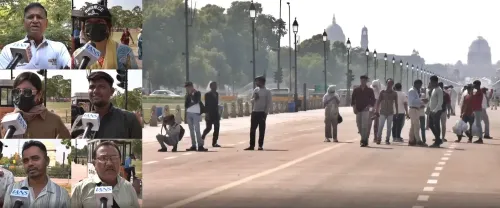
New Delhi, April 25: A severe heatwave has tightened its grip over Delhi and vast stretches of North India, pushing temperatures to dangerous levels and forcing millions of residents indoors. The India Meteorological Department (IMD) has warned that Saturday, April 26, will bring no meaningful relief, while authorities in Uttar Pradesh have issued a heat emergency alert covering 32 districts as the prolonged hot spell shows no signs of abating.
Delhi Temperatures Breach Seasonal Limits
Over the past 24 hours, Delhi recorded minimum temperatures between 23°C and 26°C and maximum temperatures climbing to 42–43°C — sitting 1.6 to 3.0 degrees Celsius above the seasonal average. The Safdarjung weather station, considered the city's primary reference point, logged a maximum of 41.9°C, which is 4.2 degrees above normal — just short of the official heatwave threshold by a narrow margin.
However, two other stations — Lodhi Road and Ridge — formally crossed the heatwave threshold. Lodhi Road recorded 41.8°C, which is 4.8 degrees above normal, while the Ridge station hit 43.1°C, a staggering 4.7 degrees above seasonal norms. These readings mark Delhi's first official heatwave of the 2025 season.
What Qualifies as a Heatwave — and Why It Matters
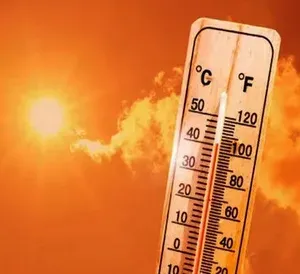
As per IMD criteria, a heatwave is officially declared when the maximum temperature exceeds 40°C and remains 4.5 to 6.4 degrees above normal. The fact that multiple stations have now crossed this benchmark signals that the city has entered a critical heat phase, not merely an uncomfortable warm spell.
The IMD issued a yellow alert for Delhi on Friday, April 25, indicating that residents should remain cautious, stay hydrated, and avoid outdoor exposure during peak afternoon hours. Health experts warn that prolonged exposure to such temperatures — especially combined with dry, scorching winds — significantly elevates the risk of heat stroke, dehydration, and cardiovascular stress, particularly for the elderly, children, and outdoor workers.
Uttar Pradesh on High Alert: 32 Districts at Risk
The heat crisis is even more acute in Uttar Pradesh, where the state meteorological department has issued a severe heat alert expected to persist through April 25, affecting both daytime and nighttime temperatures across a wide swathe of the state.
The 32 districts under heatwave warning include: Prayagraj, Sonbhadra, Pratapgarh, Mirzapur, Chandauli, Varanasi, Lakhimpur Kheri, Sitapur, Barabanki, Amethi, Sultanpur, Pilibhit, Bhadohi, Jaunpur, Ghazipur, Azamgarh, Mau, Ballia, Deoria, Gorakhpur, Basti, Kushinagar, Maharajganj, Gonda, Balrampur, Shravasti, Bahraich, and Shahjahanpur. State authorities have urged residents to take precautions against heat-related illnesses and avoid unnecessary outdoor activity during afternoon hours.
Broader Pattern: Early and Intensifying Heat Seasons
This heatwave is consistent with a troubling trend observed across India in recent years — heatwaves are arriving earlier, lasting longer, and reaching higher peak temperatures than historical averages. April heatwaves in the Indo-Gangetic plain, once considered unusual, are now becoming a near-annual occurrence, raising urgent questions about urban heat island effects, groundwater depletion, and the adequacy of public health infrastructure in states like Uttar Pradesh.
Notably, the 2024 pre-election heatwave across North India disrupted voter turnout in several constituencies, highlighting how extreme heat is no longer merely a public health issue but increasingly a socio-political and economic one. Daily wage workers, farmers, and street vendors — who cannot afford to stay indoors — bear the heaviest burden of these escalating temperatures.
Precautions and Official Advisories
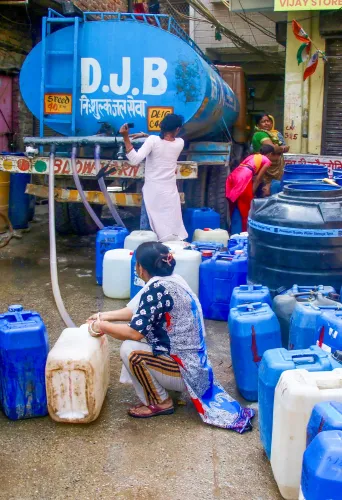
Authorities across both Delhi and Uttar Pradesh have advised the public to drink adequate water, wear light-coloured and loose clothing, avoid going out between 12 PM and 4 PM, and seek immediate medical attention for symptoms of heat exhaustion. Cooling centres and additional water distribution points are being activated in several urban areas.
With no significant weather system expected to bring relief in the immediate term, North India is bracing for at least several more days of intense heat. The IMD is expected to issue updated forecasts as conditions evolve, and residents are advised to monitor official alerts closely.
Point of View
The ground reality in states like Uttar Pradesh is that millions of daily wage workers, farmers, and the urban poor have no choice but to endure these lethal temperatures without any meaningful state support. The political class debates infrastructure and development, yet India still lacks a robust, funded national heat action plan with real teeth. Until extreme heat is treated with the same urgency as floods or cyclones — with dedicated resources, compensation mechanisms, and accountability — these annual alerts will remain bureaucratic rituals while the most vulnerable citizens pay the price.
NationPress
9 Oct 2026
Frequently Asked Questions
Which districts in Uttar Pradesh are under heatwave alert today?
A total of 32 districts in Uttar Pradesh are under a severe heatwave alert, including Prayagraj, Varanasi, Gorakhpur, Azamgarh, Ballia, Mirzapur, and Bahraich, among others. The alert is expected to remain in effect through April 25, 2025.
Has Delhi officially recorded a heatwave in April 2025?
Yes, Delhi recorded its first official heatwave of the 2025 season on April 25, with Lodhi Road and Ridge stations meeting the IMD's heatwave criteria. Lodhi Road hit 41.8°C (4.8 degrees above normal) and Ridge reached 43.1°C (4.7 degrees above normal).
What is the IMD's heatwave declaration criteria in India?
According to the IMD, a heatwave is declared when the maximum temperature exceeds 40°C and is 4.5 to 6.4 degrees above the normal seasonal average. When it exceeds 6.4 degrees above normal, it is classified as a severe heatwave.
What precautions should people take during the current North India heatwave?
Authorities advise avoiding outdoor activity between 12 PM and 4 PM, drinking plenty of water, wearing light and loose clothing, and seeking immediate medical help for symptoms like dizziness, nausea, or fainting. Cooling centres are being activated in several urban areas.
When will the heatwave in Delhi and North India end?
The IMD has indicated no significant relief is expected in the immediate term, with Saturday, April 26, also forecast to remain extremely hot. Updated forecasts will be issued as weather conditions evolve.