Has NHRC Addressed the Issue of 'Proxy Governance' in Local Bodies?
Synopsis
The NHRC has taken a significant step by addressing the alarming issue of proxy governance in local bodies, particularly affecting women's representation. Their actions aim to uphold democracy and ensure genuine empowerment for women leaders.
Key Takeaways
Proxy governance undermines women's empowerment.
NHRC is taking steps to ensure accountability.
Constitutional rights must be upheld.
Proxy representation violates democratic principles.
Legislation exists to address misconduct.
New Delhi, Dec 14 (NationPress) The National Human Rights Commission (NHRC) has expressed profound concern regarding the pervasive practice of 'proxy governance' within Panchayati Raj Institutions (PRIs) and Urban Local Bodies (ULBs), especially in areas reserved for women.
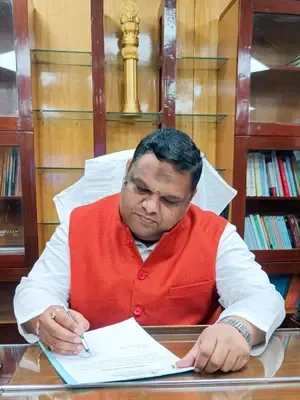
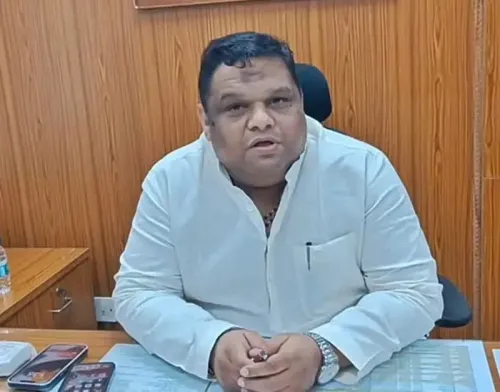
The matter was brought to light through a complaint lodged by Sushil Verma, a former Member of the Haryana State Commission for Protection of Child Rights. This complaint was reviewed by a bench led by NHRC Member Priyank Kanoongo on December 12.
The NHRC stated, "Upon reviewing the complaint, the Commission noted that even with constitutional protections and judicial rulings, elected female representatives frequently serve merely as nominal leaders, while their spouses or male relatives wield the actual administrative and decision-making authority, a phenomenon commonly termed as 'Sarpanch Pati' or 'Pradhan Pati'."
The complaint highlights the unofficial appointment of relatives of elected women representatives as intermediaries or as representatives for MPs and MLAs, leading to unwarranted interference in the operations of local self-governance entities mandated by the Constitution.
The Commission recalled that the Supreme Court has unequivocally condemned this unconstitutional and illegal practice.
According to the NHRC, "This form of proxy representation undermines the essence of the 73rd and 74th Constitutional Amendments, sabotages the purpose of women's reservation under Article 243D, and infringes upon fundamental rights protected under Articles 14, 15(3), and 21 of the Indian Constitution."
Moreover, the Commission noted that such actions could equate to criminal behavior under the Bharatiya Nyaya Sanhita, 2023, encompassing offenses related to impersonation of public officials, criminal breach of trust, and unlawful assumption of public duties.
It was observed that a bench led by NHRC Member Priyank Kanoongo had previously acknowledged this matter on September 9 under Section 12 of the Protection of Human Rights Act, 1993, and instructed all states and union territories to provide Action Taken Reports (ATRs).
The NHRC noted, "Responses were received only from the Governments of Andhra Pradesh, Bihar, Odisha, and Uttarakhand, alongside a few cities in Uttar Pradesh, while 32 States/UTs failed to respond."
In light of the gravity of the issue and the ongoing non-compliance, the NHRC has mandated the issuance of Conditional Summons under Section 13 of the Protection of Human Rights Act, 1993, to the Principal Secretaries of the Departments of Panchayati Raj and Urban Local Bodies across 32 States and Union Territories.
The concerned authorities are required to appear before the NHRC on December 30 at 11:00 a.m., along with comprehensive Action Taken Reports.
"If the necessary reports are submitted by December 22, the requirement for personal appearance will be waived. Non-compliance without valid justification may lead to actions under Order XVI Rules 10 and 12 of the Civil Procedure Code, 1908, including the issuance of warrants," the NHRC emphasized.
Reiterating its stance, the NHRC affirmed that women's reservation aims to ensure genuine empowerment, respect, and leadership, not just token representation, asserting that any form of proxy governance threatens the core principles of democracy and the rule of law.
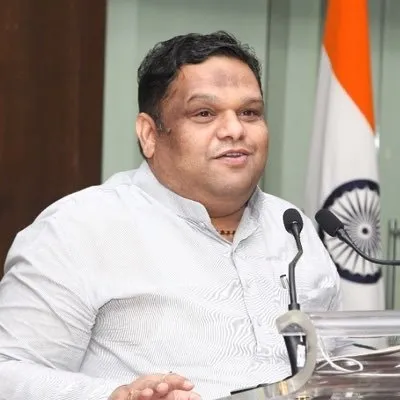
NHRC Member Priyank Kanoongo remarked, "The NHRC firmly believes that any form of proxy representation in roles reserved for women, whether as 'Sarpanch Pati' or through any informal setup, contradicts the spirit of the Constitution. In a democracy, the elected female representative is the sole lawful holder of the administrative, executive, and decision-making powers of her office."
Kanoongo further emphasized that the Commission's mandate extends beyond merely safeguarding rights; it also includes ensuring the efficient and meaningful implementation of constitutional provisions.
"When husbands or other relatives govern instead of elected women representatives, it constitutes a severe violation of women's dignity, equality, and right to self-determination," he stated.
He reiterated that the Commission is committed to enforcing accountability across all states and union territories.
"This initiative is not limited to any specific state or region; rather, it is a crucial step towards enhancing women's empowerment and bolstering the credibility and integrity of democratic institutions nationwide," he concluded.
Point of View
It is imperative to recognize the NHRC's proactive approach in addressing the deeply rooted issue of proxy governance. This practice undermines the democratic process and women's empowerment. Upholding the integrity of local governance is vital for a healthy democracy, and the NHRC's actions serve as a crucial reminder of the importance of genuine representation.
NationPress
10 Oct 2026
Frequently Asked Questions
What is proxy governance?
Proxy governance refers to the practice where elected representatives, particularly women, are reduced to nominal leaders while their husbands or male relatives make important decisions on their behalf.
Why is the NHRC concerned about this practice?
The NHRC is concerned because proxy governance undermines women's empowerment, violates constitutional rights, and threatens the integrity of local governance.
What actions is the NHRC taking?
The NHRC has issued Conditional Summons to states and union territories to address the issue and submit Action Taken Reports to ensure accountability.
What are the legal implications of proxy governance?
Proxy governance may amount to criminal misconduct, including impersonation of public servants and breach of trust, as per the Bharatiya Nyaya Sanhita, 2023.
How can this issue impact women's rights?
This issue affects women's dignity, equality, and right to self-determination, thus posing a significant challenge to gender equality in governance.