NIA probes ISI-linked Pakistani national arrested in Bengal's Habra
Synopsis
A Pakistani national allegedly sent by the ISI to spy on India's eastern military infrastructure has been arrested in West Bengal — and the NIA is now stepping in. With forged identity documents, a cross-border marriage trail in Nepal, and a seized netbook under forensic scrutiny, the case is shaping up as one of the more complex espionage arrests in the region in recent years.
Key Takeaways
The NIA has begun collecting information from the Bengal STF on arrested Pakistani national Wahab Alam .
Alam was arrested from Habra, North 24 Parganas and is allegedly linked to Pakistan's ISI .
He reportedly entered India illegally in 2012 through Nepal , using forged Indian identity documents.
Alam was allegedly tasked with gathering intelligence on the Indian Army , Indian Navy , and Indian Railways in the eastern sector.
Co-accused Mohammad Izaz , who allegedly facilitated Alam's settlement in India, is in STF custody.
West Bengal Police is pursuing diplomatic channels with Nepal to trace Alam's wife, named Shilu .
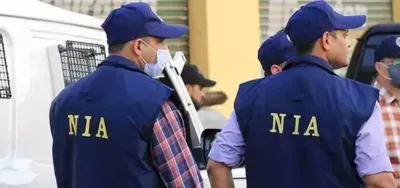
The National Investigation Agency (NIA) has launched a parallel inquiry into the case of Wahab Alam, a Pakistani national arrested by the Special Task Force (STF) of the West Bengal Police from Habra in North 24 Parganas district earlier this week. The central agency has reached out to the Bengal STF to obtain full details of the investigation, including Alam's alleged connections to Pakistan's Inter-Services Intelligence (ISI).
What the Preliminary Probe Revealed
According to sources familiar with the development, the STF's initial investigation indicated that Alam allegedly entered India illegally in 2012 using forged Indian identity documents, crossing into West Bengal through Nepal. Investigators reportedly believe he was dispatched by the ISI to collect intelligence on the Indian Army, Indian Navy, and Indian Railways in the country's eastern sector.
A co-accused, Mohammad Izaz, has also been arrested and remains in STF custody. Izaz allegedly helped arrange Alam's settlement within India after his illegal entry.
NIA's Focus Areas
The NIA is particularly interested in mapping Alam's communication networks — the persons he maintained regular contact with and his movements across West Bengal over the years. Investigators are assessing whether the alleged network extends beyond the two arrested individuals.
Officials are considering a joint interrogation of Alam and Izaz to cross-check their statements and establish the full scope of their alleged activities. Sources said this approach could help determine the breadth of the network and any additional operatives involved.
Digital Evidence and Diplomatic Channels
The Bengal STF is examining communications retrieved from Alam's mobile phone and a netbook seized at the time of his arrest. Separately, information has emerged that Alam had married a local woman named Shilu during his time in Nepal.
The West Bengal Police is now approaching the Ministry of External Affairs through diplomatic channels to obtain details about Alam's wife from the Nepal government. This international coordination signals the cross-border dimensions of the case.
Significance of the Arrest
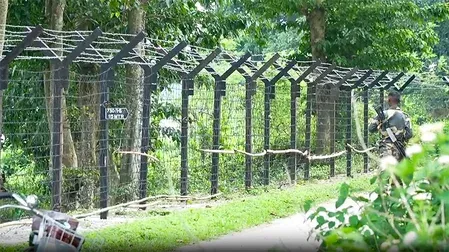
The case underscores persistent concerns about infiltration through India's porous borders with Nepal, a route that security agencies have flagged in previous espionage-related arrests. Notably, this is not the first instance in which the ISI has allegedly used forged documents to plant operatives in eastern India — a region of strategic sensitivity given its proximity to the Chicken's Neck corridor and key military installations.
As the NIA deepens its assessment, the findings could determine whether the agency formally takes over the case from the state STF or continues in an advisory capacity. The next few days of interrogation are expected to be critical.
Point of View
Flagged repeatedly in intelligence reviews, yet it continues to be exploited. The NIA's involvement signals that investigators suspect the network is larger than the two men in custody. If the forensic sweep of Alam's digital devices yields contact lists, the case could expose a sleeper cell structure — and that would demand answers beyond just the accused.
NationPress
28 Sept 2026
Frequently Asked Questions
Who is Wahab Alam and why was he arrested?
Wahab Alam is a Pakistani national arrested by the West Bengal STF from Habra in North 24 Parganas. He is alleged to have been sent by Pakistan's ISI to gather intelligence on Indian military and railway infrastructure in the eastern sector, reportedly after entering India illegally in 2012 with forged identity documents.
Why has the NIA got involved in the Wahab Alam case?
The NIA stepped in after the Bengal STF's preliminary investigation revealed Alam's alleged links to Pakistan's ISI. As a counter-terrorism and national security agency, the NIA has the mandate to probe cases with cross-border espionage dimensions and may take formal charge of the investigation.
Who is Mohammad Izaz and what is his role?
Mohammad Izaz is a co-accused who allegedly helped arrange Wahab Alam's settlement in India after his illegal entry. He is currently in STF custody, and investigators are considering a joint interrogation of both accused to cross-check statements.
How did Wahab Alam allegedly enter India?
According to investigators, Alam allegedly crossed into West Bengal through Nepal and used forged Indian identity documents to establish himself in the country from 2012 onwards. West Bengal Police is now seeking information about his Nepal-based wife through diplomatic channels.
What intelligence was Alam allegedly trying to gather?
Preliminary STF findings suggest Alam was allegedly tasked by the ISI with collecting information about the Indian Army, Indian Navy, and Indian Railways in India's eastern sector — a region of significant strategic sensitivity.