Are Japanese Researchers Starting Human Trials for a Nipah Vaccine in April?
Synopsis
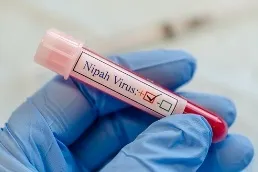
Japanese scientists are on the verge of a significant breakthrough as they prepare to initiate human trials for a Nipah virus vaccine this April in Belgium. With a staggering fatality rate, this vaccine could change the landscape of treatment for this deadly disease.
Key Takeaways
Japanese researchers are preparing to begin human trials for a Nipah vaccine in April.
The vaccine shows promise against a virus with a high fatality rate.
No licensed vaccine or specific treatment currently exists for Nipah virus infection.
The vaccine is designed by integrating Nipah virus genetic material into the measles virus.
Human trials will evaluate the safety and efficacy of the vaccine.
New Delhi, Feb 4 (NationPress) A group of scientists in Japan has revealed plans for a clinical trial aimed at validating the effectiveness of a vaccine against the lethal Nipah virus in human subjects.
The vaccine candidate, which has been developed at the University of Tokyo, is scheduled to commence clinical trials in Belgium this April, as reported by Nikkei Asia, a prominent English-language news outlet based in Japan.
This innovative vaccine may represent a significant advance in combating a disease with a fatality rate ranging from 40% to 75%.
At present, there is no approved vaccine or targeted treatment available for Nipah virus infection.
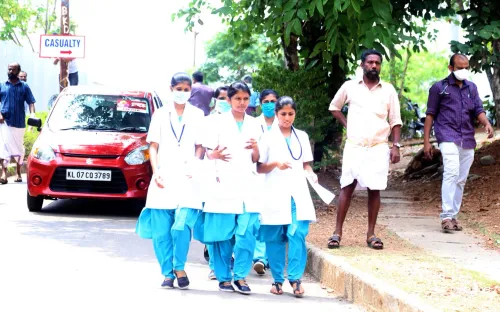
This announcement comes on the heels of two confirmed cases of Nipah virus in West Bengal, India, reported in January.
The vaccine is being developed by incorporating a segment of the Nipah virus's genetic code into the measles virus.
“Upon administration in humans, the vaccine prompts the production of antigen proteins akin to those of the Nipah virus. This enhances the immune system's response, fortifying the body's defenses and aiding in the prevention of symptoms,” the report stated.
“The modified measles virus is extensively employed worldwide for measles vaccinations,” it added.
The team has already validated the vaccine's safety and effectiveness in animal trials involving hamsters.
The Phase 1 clinical trial aims to include 60 subjects to confirm the vaccine's safety in humans.
In a separate endeavor, researchers at Oxford University initiated Phase 2 clinical trials for a Nipah vaccine candidate in Bangladesh in December, targeting around 300 participants aged 18 to 55.
Nipah virus infection has been classified as a priority disease under the World Health Organization's (WHO) Research and Development Blueprint.
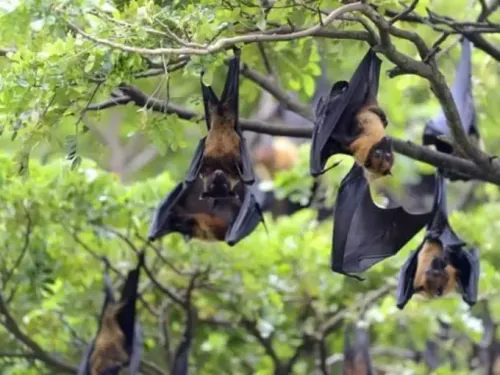
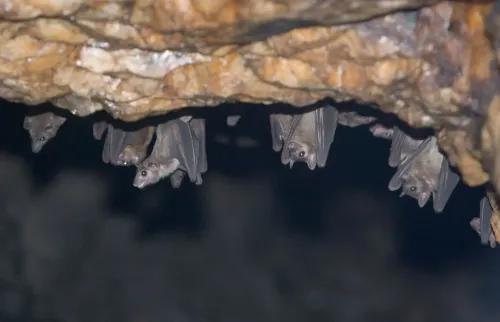
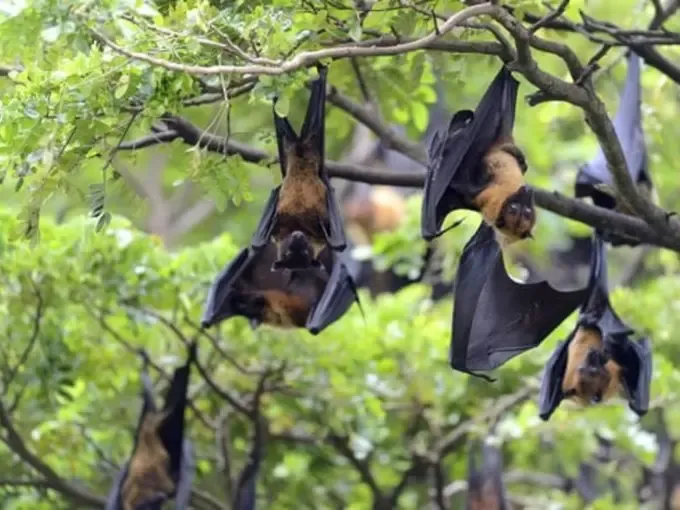
Nipah is a zoonotic disease predominantly transmitted from bats to humans, either directly or through contaminated food sources.
Additionally, it can be transmitted from animals such as pigs to humans, and in certain cases, between individuals through close contact, especially in healthcare settings.
In humans, Nipah virus infection can vary from asymptomatic to severe respiratory illness and fatal encephalitis. The global case fatality rate is estimated between 40% and 75%, influenced by timely detection and the quality of clinical care.
Point of View
The announcement of human trials for the Nipah vaccine is a vital step towards addressing a critical public health challenge. With the existing absence of effective treatments, this initiative not only highlights the importance of scientific research but also underscores the global health community's commitment to combating infectious diseases.
NationPress
19 Sept 2026
Frequently Asked Questions
What is the Nipah virus?
The Nipah virus is a zoonotic virus primarily transmitted from bats to humans. It can cause severe respiratory illness and encephalitis.
What is the fatality rate of Nipah virus infection?
The fatality rate for Nipah virus infection is estimated to be between 40% and 75%, depending on early detection and clinical care.
Is there a vaccine for Nipah virus?
Currently, there is no licensed vaccine for Nipah virus infection. However, a vaccine candidate is undergoing clinical trials in Japan.
Where are the Nipah vaccine trials taking place?
The Nipah vaccine trials are set to begin in Belgium in April 2023.
Who is developing the Nipah vaccine?
The Nipah vaccine is being developed by researchers at the University of Tokyo.