NITI Aayog report reveals 1 lakh schools shut, 40% dropout rate; Shiv Sena(UBT) slams Centre
Synopsis
The government's own think tank has put a number to India's school crisis: 1 lakh schools shuttered, 40% of students dropping out before Class 12, and over 1 lakh schools running on a single teacher. Shiv Sena(UBT) has seized on the NITI Aayog data to argue that youth protests over paper leaks and the 'Vishwaguru' narrative cannot coexist with these ground realities.
Key Takeaways
A NITI Aayog report reveals approximately 1,00,000 schools have closed across India despite population growth.
The national student dropout rate before Class 12 stands at 40 per cent — nearly four in ten primary enrolees.
Over 1,00,000 primary schools operate with a single teacher ; 7,993 schools have active staff but zero students .
Higher secondary education costs three to five times more than primary schooling, identified as a key dropout driver.
Shiv Sena (UBT) used the findings in its mouthpiece Saamana to attack the BJP -led Centre, questioning the relevance of the Right to Education Act .
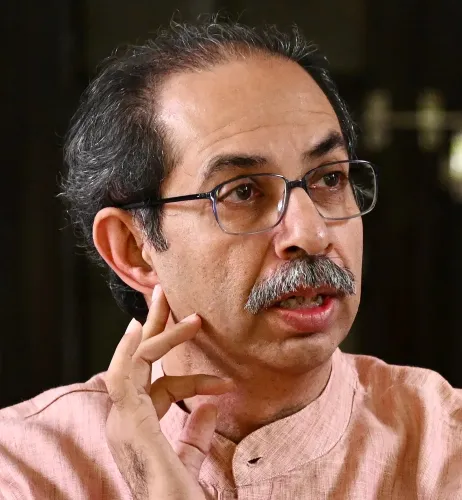
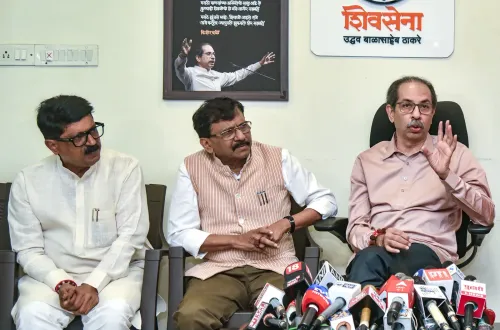
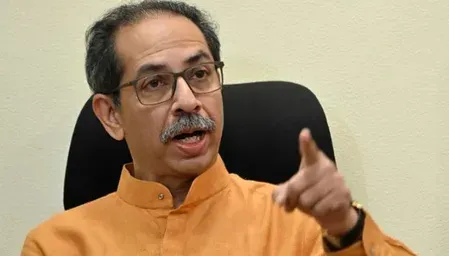
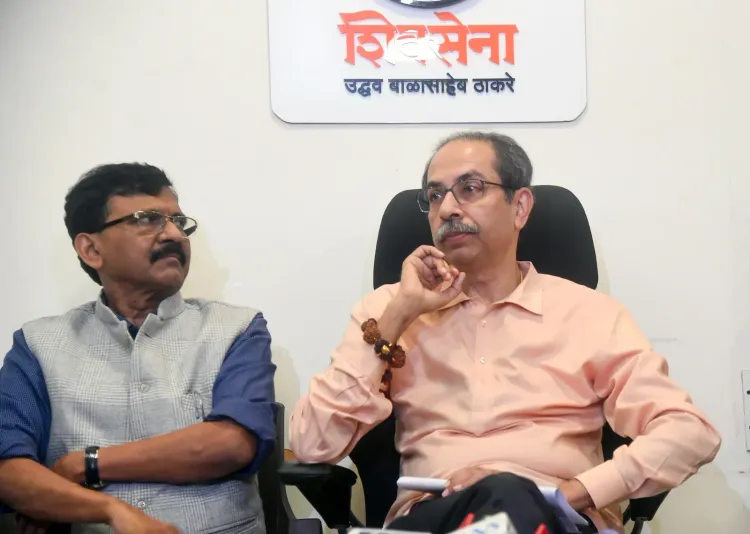
Shiv Sena (Uddhav Balasaheb Thackeray) on Thursday launched a sharp attack on the Centre, citing a NITI Aayog report that exposes deep structural failures in India's school education system — from mass school closures to a staggering student dropout crisis. The party's broadside, published in its mouthpiece 'Saamana', comes as Gen Z youth protests over paper leaks and exam corruption continue to roil the country.
Key Findings From the NITI Aayog Report
The NITI Aayog report reveals that approximately 1,00,000 schools have shut down across the country despite steady population growth. Over the past eight to nine years, around 92,000 schools have closed — with authorities attributing part of this to consolidation due to low enrolment, but critics argue the overall decline signals systemic neglect.
The data further shows that more than 1,00,000 primary schools nationwide operate with only a single teacher managing all subjects from Class 1 through Class 4. Paradoxically, 7,993 schools continue to maintain active staff despite reporting zero enrolled students.
The Dropout Crisis
Of 24.69 crore students enrolled across 14.71 lakh schools, primary school enrolment stands at 90.9 per cent — but collapses to 58.4 per cent by the higher secondary level (Class 12). In effect, nearly four out of every ten students who enter primary school do not complete their higher secondary education, pushing the national dropout rate to 40 per cent before Class 12.
The Saamana editorial identified poverty and the rising cost of education as the primary drivers. Higher secondary schooling reportedly costs three to five times more than primary education, with families bearing mounting tuition fees, exam fees, and travel costs — often forcing early withdrawal. The party accused the Central Education Ministry of remaining passive in the face of this crisis.
Shiv Sena(UBT)'s Political Attack
The Uddhav Thackeray-led party connected the report's findings to the wave of youth protests at Jantar Mantar over paper leaks and exam corruption, arguing that these failures have fatally undermined the government's claim to global educational leadership — a posture critics describe as 'Vishwaguru' branding. 'While the paper-leak scams commercialising the education sector had already brought shame upon the BJP-led government at the Centre, the NITI Aayog report has now forced the government to hide its face in embarrassment,' the editorial stated.
The party also questioned the effectiveness of the Right to Education Act, asking pointedly: 'If the students of this country are destined for such distress, what good is the Right to Education Act — should it be thrown into the fire?'
Broader Context
This comes amid a sustained period of scrutiny over India's education governance, marked by the NEET-UG paper leak controversy and multiple state-level exam fraud cases. The NITI Aayog report, produced by the government's own policy think tank, lends institutional weight to opposition arguments that have previously been dismissed as political. Notably, the report's findings land at a moment when youth unemployment and educational access have emerged as front-line political issues ahead of several state elections.
Whether the Centre responds with policy correctives or dismisses the criticism as partisan remains to be seen — but the data, originating from within its own planning apparatus, will be difficult to set aside.
Point of View
But the convergence of school closures, single-teacher schools, and zero-student ghost schools in one document makes denial harder. What mainstream coverage is underplaying is the cost escalation angle: if higher secondary schooling costs three to five times more than primary, the Right to Education Act's protections — which end at Class 8 — leave students exposed precisely when costs spike. The youth protests at Jantar Mantar are the street-level expression of exactly this policy gap.
NationPress
20 Sept 2026
Frequently Asked Questions
What does the NITI Aayog report say about India's schools?
The NITI Aayog report reveals that approximately 1,00,000 schools have shut down nationwide despite population growth, over 1,00,000 primary schools function with a single teacher, and 7,993 schools maintain staff with zero enrolled students. The report also flags a 40 per cent dropout rate before Class 12.
Why is India's school dropout rate so high?
According to the Saamana editorial citing the NITI Aayog data, poverty and the rising cost of education are the primary drivers. Higher secondary education reportedly costs three to five times more than primary schooling, forcing many families to withdraw children early due to fees and travel costs.
What did Shiv Sena(UBT) say about the NITI Aayog education report?
Shiv Sena (Uddhav Balasaheb Thackeray) published an editorial in its mouthpiece Saamana attacking the BJP-led Centre, arguing the report exposes the hollowness of India's 'Vishwaguru' claims. The party also questioned the utility of the Right to Education Act given the scale of the crisis.
How many students are enrolled in Indian schools according to the report?
The report shows 24.69 crore students are enrolled across 14.71 lakh schools. Primary enrolment stands at 90.9 per cent but drops sharply to 58.4 per cent by the higher secondary level (Class 12).
What is the connection between youth protests and the education report?
Shiv Sena(UBT) linked the NITI Aayog findings to ongoing Gen Z protests at Jantar Mantar over paper leaks and exam corruption, arguing that systemic educational failures — not isolated scams — are driving youth discontent against the Centre.