Why Was There No Handshake at the Toss? India–Pakistan Fireworks Ignite in Colombo
Synopsis
Tension filled the air as India and Pakistan prepared for their epic showdown in the 2026 Men’s T20 World Cup. The traditional handshake was notably absent at the toss, signaling a fiery clash ahead. This article dives into the implications of this no-handshake policy amid rising political tensions between the two cricketing giants.
Key Takeaways
Absence of handshake indicates rising tensions.
Strategic toss decision may shape match outcome.
Historical dominance favors India in T20 World Cups.
Political climate impacts sporting events.
Both teams are unbeaten entering this crucial clash.
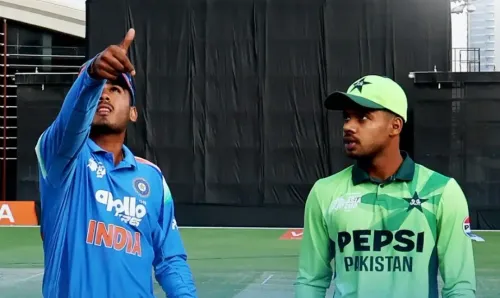
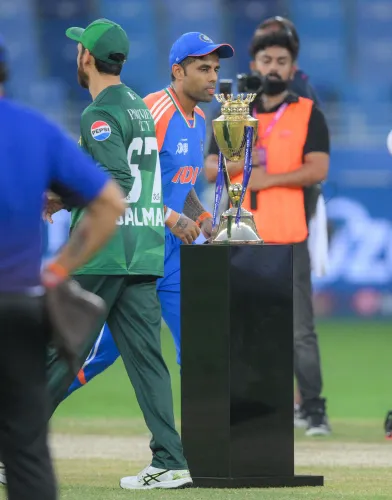
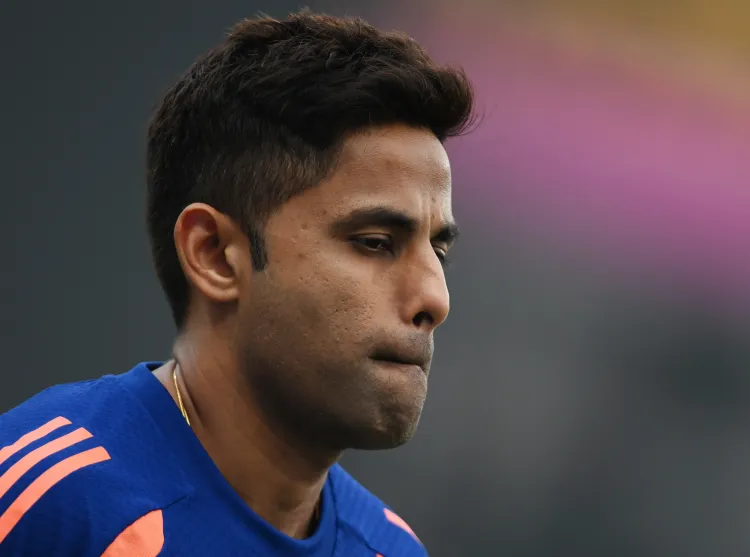
Colombo, Feb 15 (NationPress) The atmosphere was charged with tension even before the first ball was bowled. India’s captain Suryakumar Yadav and Pakistan’s skipper Salman Ali Agha bypassed the traditional handshake at the toss, igniting a thrilling backdrop for their highly anticipated Group A clash in the 2026 Men’s T20 World Cup at the R. Premadasa International Cricket Stadium on Sunday.
Shortly after, Agha won the toss and opted to bowl first on a pitch that appeared slightly damp and likely to benefit seam bowlers in the early stages—a decision that could influence the trajectory of this crucial match.
Both teams entered this marquee event with unbeaten records. India tops Group A due to a superior net run-rate after victories over the United States in Mumbai and Namibia in New Delhi. Pakistan, stationed in Colombo, narrowly defeated the Netherlands but showcased a stronger performance against the USA.
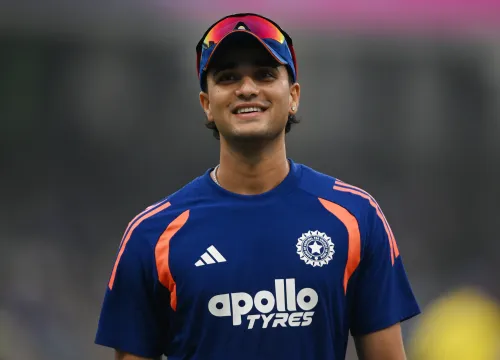
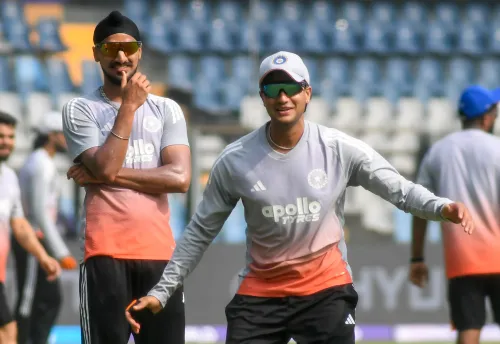
The defending champions India made changes, recalling Abhishek Sharma and Kuldeep Yadav in place of Sanju Samson and Arshdeep Singh. Abhishek returns after recovering from a stomach infection that kept him out of the Namibia match.
“We were aiming to bat first. We’ve successfully defended totals in our last two games, so we don’t wish to alter our strategy,” Suryakumar remarked. “This is a significant occasion, but our primary focus is to remain present and trust in our abilities.”
Pakistan maintained the same playing XI. Agha highlighted the early assistance for bowlers and the larger boundaries at this venue compared to SSC as critical factors behind the decision to field.
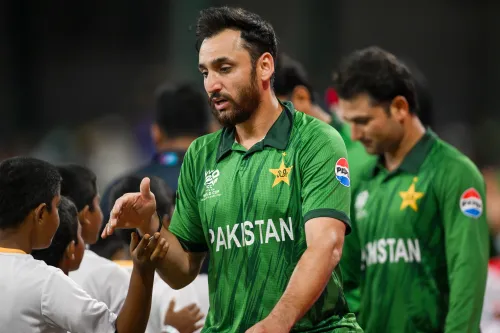
This no-handshake trend has been observed in multiple tournaments, starting with the men’s Asia Cup 2025, where Indian players opted out of pre and post-match handshakes in all three encounters at the Dubai International Stadium.
The same pattern continued during the 2025 Women’s ODI World Cup clash in Colombo and Men’s U19 Asia Cup and World Cup matches. Earlier on Sunday, India A and Pakistan A also decided against handshakes in their Women’s Asia Cup Rising Stars match at the Terdthai Cricket Ground in Bangkok.
This no-handshake stance coincides with rising political tensions between the two nations following the Pahalgam terror attack in April 2025, which resulted in the deaths of 26 individuals, and the subsequent Operation Sindoor.
On the eve of the match, Suryakumar hinted at this decision, telling reporters in a pre-match press conference, “Just wait a bit, you will see tomorrow, just ensure you eat well and sleep soundly tonight.”
Agha, when asked for his opinion, said, “What I expect doesn’t really matter. But I believe that the game should be played as it has always been. The rest is up to them and whatever they choose to do.”
Former India cricketer Sanjay Manjrekar criticized India’s no-handshake policy against Pakistan, calling it 'silly' and stating it does not reflect well on a prominent cricketing nation.
“This ‘no shaking hands’ is such a silly thing that India has initiated. It’s unbecoming of a nation like ours. Either engage properly within the spirit of the game, or don’t participate at all,” Manjrekar wrote on his X account.
In his pitch analysis, former Pakistan captain Ramiz Raja noted that concerns about rain had diminished. The straight boundary stretches 84 meters, while the square boundaries are 70 and 74 meters. Recent matches here have favored bowlers, with Blessing Muzarabani and Nathan Ellis both claiming four-wicket hauls by exploiting hard lengths.
History strongly favors India, who have triumphed in seven of their eight Men’s T20 World Cup matches against Pakistan. Pakistan’s sole victory came in 2021 when Babar Azam and Mohammad Rizwan led a commanding 10-wicket win in Dubai.
Adding another strategic twist, all three previous World Cup matches at this Colombo venue have been won by the team batting first—making Pakistan’s choice to chase a bold risk under lights.
Playing XIs
India: Ishan Kishan (wk), Abhishek Sharma, Tilak Varma, Suryakumar Yadav (capt), Hardik Pandya, Shivam Dube, Rinku Singh, Axar Patel, Kuldeep Yadav, Varun Chakaravarthy, Jasprit Bumrah
Pakistan: Sahibzada Farhan (wk), Saim Ayub, Salman Agha (capt), Babar Azam, Shadab Khan, Usman Khan (wk), Mohammad Nawaz, Faheem Ashraf, Shaheen Shah Afridi, Usman Tariq, Abrar Ahmed
Point of View
It’s essential to acknowledge the significance of sportsmanship in cricket, particularly in high-stakes matches like India vs. Pakistan. The decision to forgo a handshake reflects deeper socio-political undercurrents. While competitive spirit is vital, we must also emphasize the importance of maintaining respect and camaraderie in the spirit of the game.
NationPress
3 Oct 2026
Frequently Asked Questions
Why did the captains skip the handshake?
The no-handshake decision reflects the heightened political tensions between India and Pakistan, particularly following significant incidents that have strained relations.
What impact could the toss decision have?
Choosing to bowl first could provide an advantage due to early assistance for seam bowlers, potentially influencing the outcome of the match.
How have past encounters between India and Pakistan been?
Historically, India has dominated T20 World Cup encounters against Pakistan, winning seven out of eight matches.
What are the implications of the no-handshake policy?
The no-handshake approach signifies a growing trend in cricket, reflecting the ongoing political tensions and the desire for teams to maintain a competitive edge.
What changes were made to the Indian lineup?
India recalled Abhishek Sharma and Kuldeep Yadav while dropping Sanju Samson and Arshdeep Singh for this match.