Noel Tata proposes ₹25,000-crore buyout to give SP Group liquidity from Tata Sons stake

Synopsis
Noel Tata has put a concrete number on the SP Group exit plan: ₹25,000 crore, structured as a two-tranche NCLT capital reduction over 18 months, valued under income-tax rules. It is the most definitive resolution proposal in a dispute that has shadowed Tata Sons since the 2016 Cyrus Mistry boardroom crisis — and it explicitly rules out the IPO route the SP Group had once pursued.
Key Takeaways
Noel Tata tabled a ₹25,000-crore buyout proposal at the Tata Sons board meeting on 17 September 2026 .
The deal would allow SICPL and CIPL — SP Group's Tata Sons holding entities — to sell a portion of their shares.
Valuation will follow the fair value methodology under Rule 11UA of the Income Tax Rules, 1962.
The transaction is structured in two tranches over 18 months via an NCLT selective capital reduction process.
Funding options include internal cash flows, listed investment sales, strategic investors, and potential OFS of certain businesses.
The Tata Trusts reiterated their opposition to a public listing of Tata Sons.
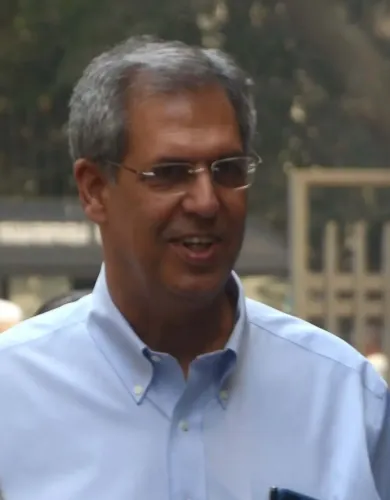
Tata Trusts Chairman Noel N Tata on 17 September 2026 placed before the Tata Sons board a structured proposal to provide liquidity to the Shapoorji Pallonji (SP) Group by facilitating the partial sale of its stake in Tata Sons, generating gross proceeds of at least ₹25,000 crore. The move, tabled at the Tata Sons board meeting in New Delhi, simultaneously reaffirms the Trusts' firm opposition to a public listing of the Tata Group's holding company.
Structure of the Proposed Deal
Under the proposal, Sterling Investments Corporation Private Limited (SICPL) and Cyrus Investments Private Limited (CIPL) — the two SP Group entities that hold shares in Tata Sons — would sell a portion of those shares back through a selective capital reduction process to be initiated via the National Company Law Tribunal (NCLT). The transaction would be completed in two tranches over an 18-month period, with shares valued using the fair value methodology prescribed under Rule 11UA of the Income Tax Rules, 1962. The minimum valuation under that rule determines the floor of ₹25,000 crore in gross proceeds.
How Tata Sons Plans to Fund the Buyout
Noel Tata asked the board to examine multiple funding avenues for the transaction. Options reportedly under consideration include deploying internal cash flows, monetising listed investments, bringing in strategic investors into newer businesses, and potentially listing certain businesses through an offer for sale (OFS). No single funding route has been finalised; the operating teams of Tata Sons and Tata Trusts have been authorised to continue discussions with the SP Group and its bankers before reporting back to the board.
Background: A Longstanding Stake Dispute
The SP Group has held a significant minority stake in Tata Sons for decades, but relations between the two conglomerates turned publicly acrimonious following the 2016 boardroom removal of Cyrus Mistry as Tata Sons Chairman. Subsequent legal battles stretched across the Supreme Court, and the SP Group's equity — held through SICPL and CIPL — became a source of friction rather than alignment. The SP Group has previously sought liquidity through external debt collateralised against the Tata Sons stake, and has also explored an IPO of Tata Sons as an exit route. The Trusts have consistently opposed a listing. This proposal represents the most concrete structural resolution put before the board to date.
What the Board Has Been Asked to Do
Noel Tata formally asked the board to initiate the NCLT selective capital reduction process and authorised the operating teams to advance discussions with the SP Group and its advisers. The findings will subsequently be placed before the full board for a decision. The proposal follows earlier trilateral discussions between Noel Tata, Tata Sons Chairman N Chandrasekaran, and SP Group Chairman Shapoor Mistry on the future of the SP Group's Tata Sons holding.
Why This Matters Beyond the Boardroom
Tata Sons is the holding company for one of India's most diversified and internationally recognised conglomerates, with interests spanning Tata Consultancy Services (TCS), Tata Steel, Jaguar Land Rover, and Air India, among others. A clean resolution of the SP Group's stake — without a public listing that could alter governance dynamics — would remove a structural overhang that has weighed on Tata Sons' long-term planning. How the NCLT process unfolds, and whether the SP Group accepts the Rule 11UA floor valuation, will be closely watched by institutional investors and corporate governance observers alike.
Point of View
000-crore figure is a minimum, not a negotiated premium, which means the SP Group's acceptance will depend on whether its liquidity needs outweigh its valuation ambitions. Notably, the explicit ruling-out of an IPO signals that the Trusts are willing to write a large cheque to preserve governance control rather than risk public market scrutiny. The NCLT route also buys time — 18 months — during which market conditions, SP Group's debt covenants, and political economy could all shift. Whether this offer closes the chapter or opens another round of legal positioning remains the central question.
NationPress
17 Sept 2026
Frequently Asked Questions
What is the ₹25,000-crore buyout proposal tabled by Noel Tata?
It is a structured plan for Tata Sons to buy back a portion of the shares held by the SP Group's two entities — SICPL and CIPL — generating at least ₹25,000 crore in gross proceeds for the SP Group. The transaction would proceed through a selective capital reduction process at the NCLT, with shares valued under Rule 11UA of the Income Tax Rules, 1962.
Why does the SP Group need liquidity from its Tata Sons stake?
The SP Group has faced significant debt obligations and has long sought to monetise its minority stake in Tata Sons, which is an unlisted company. Previous attempts including external debt against the stake and calls for a Tata Sons IPO had not produced a resolution, making this buyout proposal the most concrete liquidity pathway to date.
What is the NCLT selective capital reduction process?
It is a court-supervised mechanism under which a company can reduce its share capital by buying back shares from specific shareholders at a fair value, subject to approval by the National Company Law Tribunal. In this case, it would allow Tata Sons to repurchase shares from SICPL and CIPL without listing the company or offering shares to the public.
How will Tata Sons fund the ₹25,000-crore buyout?
Tata Sons has been asked to explore multiple options, including deploying internal cash flows, selling listed investments, bringing strategic investors into newer businesses, and potentially listing certain businesses through an offer for sale. No single funding route has been finalised yet.
Does this mean Tata Sons will go public?
No. Noel Tata explicitly reiterated the Tata Trusts' opposition to a public listing of Tata Sons while tabling this proposal. The NCLT capital reduction route is being pursued precisely as an alternative to an IPO, preserving the company's unlisted status and the Trusts' governance control.