Pakistani forces kill 3 Balochistan civilians, rights body alleges extrajudicial executions
Synopsis
Three Baloch civilians who had been forcibly disappeared by Pakistani security forces were found dead in Gwadar district, their bodies bearing name slips — a detail rights group Paank says points to deliberate, identity-specific executions. The case intensifies calls for UN intervention and independent investigation into what activists describe as a systemic pattern of enforced disappearances and extrajudicial killings in Balochistan.
Key Takeaways
Three civilians — Hassan Rafiq , Ehsan Hassan , and Nadil Baloch — were found dead in the Kuldan area of Dannuk , Gwadar district , on 17 September 2026 .
All three had allegedly been forcibly disappeared by Pakistani security forces before their deaths, according to human rights group Paank .
Hassan Rafiq was reportedly seized from outside Turbat Jail immediately after his bail release on 24 August ; Nadil Baloch , aged 20 , was taken from his home on 19 April .
Papers bearing each victim's name were reportedly found in the pockets of the bodies, suggesting deliberate, identity-specific killings, according to Paank.
Paank has called for an immediate independent investigation and urged the United Nations to press Pakistan to end enforced disappearances and extrajudicial killings in Balochistan .
Pakistani security forces allegedly carried out the extrajudicial killing of three civilians in Balochistan, with their bodies recovered from the Kuldan area of Dannuk in Gwadar district, a prominent human rights organisation alleged on Thursday, 17 September 2026. The victims — Hassan Rafiq, Ehsan Hassan, and Nadil Baloch — had each been previously reported as forcibly disappeared before their deaths, according to Paank, the human rights department of the Baloch National Movement (BNM).
Who the Victims Were
Hassan Rafiq had reportedly been released on bail from Turbat Jail on 24 August, only to be taken away from outside the jail immediately after his release by security personnel. He remained forcibly disappeared until his body was recovered in Dannuk.
Ehsan Hassan, son of political figure Muhammad Hassan Baloch, was allegedly forcibly disappeared alongside his brother Balach Hassan during a late-night raid on their family home in the Jiwani region of Gwadar on 22 January. Nadil Baloch, a 20-year-old student from the Panwan area of Gwadar, was reportedly taken from his home on 19 April during a security operation.
A Disturbing Detail at the Scene
According to Paank, a piece of paper bearing each victim's name was reportedly found placed inside the pocket of each body when they were recovered together in Kuldan, Dannuk. The rights body noted this detail as evidence that those responsible knew the identities of the deceased, suggesting the killings were deliberate rather than incidental.
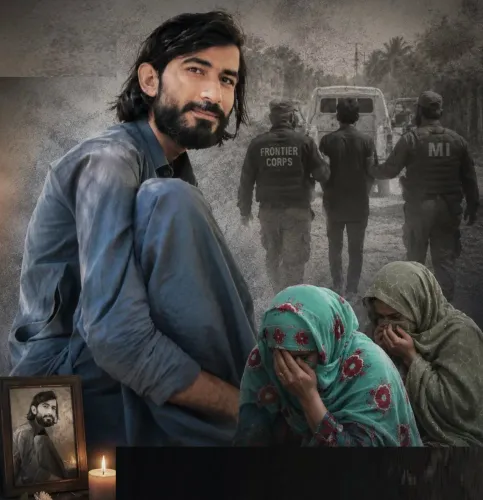
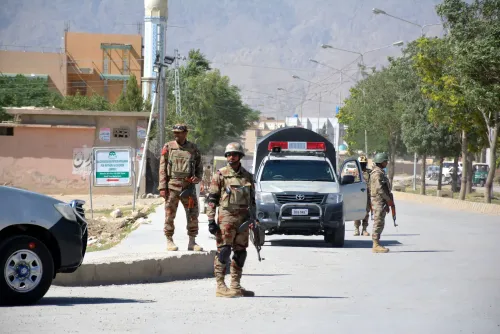
Human rights monitors had previously documented the disappearances of Nadil Baloch and several other residents of Panwan, identifying Pakistan's Frontier Corps and military-intelligence personnel as allegedly responsible for taking them from their homes.
Rights Body Calls for International Scrutiny
Paank described the sequence — encompassing enforced disappearance, secret detention, and the subsequent recovery of bodies — as an 'extremely grave human-rights violation' requiring urgent international scrutiny. The organisation called for an 'immediate, independent, impartial and transparent investigation' into the enforced disappearance, detention, torture and killing of the three men, in accordance with international human rights standards.
'Enforced disappearance cannot be followed by execution and the dumping of bodies with impunity,' Paank stated, demanding that all forensic evidence and detention records be preserved, and that those responsible be identified and prosecuted through civilian courts. The rights body also urged the United Nations and other international human rights mechanisms to intervene and press Pakistan to end what it characterised as a systematic practice of enforced disappearances and extrajudicial killings in Balochistan.
Pattern of Alleged Atrocities in Balochistan
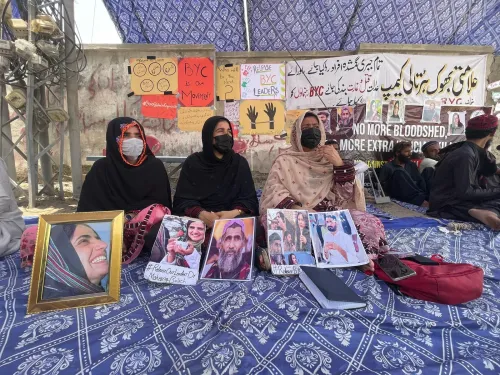
This latest incident comes against the backdrop of a well-documented and growing wave of alleged extrajudicial killings and enforced disappearances across the province. Rights groups and Baloch civil society organisations have for years flagged a pattern in which individuals detained by Pakistani security forces are later found dead, with no formal acknowledgment of their arrest or detention. Families of the disappeared have repeatedly petitioned Pakistan's courts and international bodies, with limited accountability outcomes reported to date.
With the UN and international rights organisations now being explicitly urged to intervene, pressure on Islamabad to address the Balochistan human rights situation is likely to intensify in the weeks ahead.
Point of View
But the specificity of these cases — names, dates of disappearance, locations of arrest — makes that deflection harder to sustain. The UN's repeated inability to secure cooperation from Islamabad on this file is itself a data point: without binding accountability mechanisms, calls for intervention risk becoming ritual. The real question is whether this case, with its unusually documented chain of custody from disappearance to death, will compel a formal UN Special Rapporteur inquiry — or whether it joins the long list of documented violations that drew no consequences.
NationPress
17 Sept 2026
Frequently Asked Questions
Who were the three civilians allegedly killed by Pakistani forces in Balochistan?
The three victims were Hassan Rafiq, Ehsan Hassan, and Nadil Baloch — all residents of the Gwadar district in Balochistan. Each had reportedly been forcibly disappeared by Pakistani security forces before their bodies were recovered in the Kuldan area of Dannuk, according to rights group Paank.
What is Paank and why is its account significant?
Paank is the human rights department of the Baloch National Movement (BNM), and one of the primary organisations documenting alleged enforced disappearances and extrajudicial killings in Balochistan. Its reports are frequently cited by international rights bodies, though Pakistan's government disputes its characterisations of security force conduct.
What evidence does Paank cite in this case?
Paank points to documented timelines of each victim's disappearance, witness accounts of security force raids, and the presence of name slips found in the pockets of each body. The rights group also notes that human rights monitors had independently identified Pakistan's Frontier Corps and military-intelligence personnel as responsible for the disappearances.
What action is Paank demanding?
Paank is calling for an immediate, independent, impartial and transparent investigation into the disappearances, detention, torture and killing of the three men. It also wants forensic evidence and detention records preserved, perpetrators prosecuted in civilian courts, and full reparations provided to the victims' families.
How does this incident fit into the broader pattern in Balochistan?
Rights organisations have for years documented a pattern in Balochistan where individuals detained by security forces are later found dead, with no official acknowledgment of their arrest. This case follows that pattern, with all three victims having been disappeared — in some cases for months — before their bodies were recovered together in Gwadar district.