Balochistan enforced disappearances: 4 civilians, including a minor girl, abducted by Pakistani forces
Synopsis
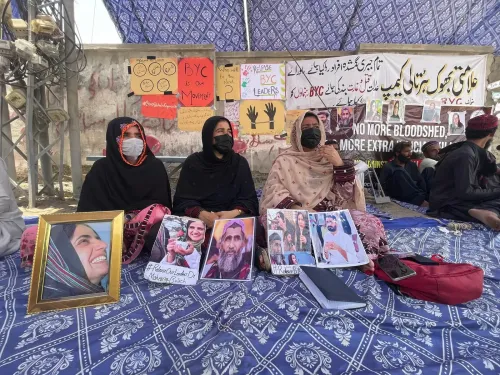
Four Baloch civilians — including a 16-year-old girl allegedly taken by Pakistan's Counter Terrorism Department from Quetta — have reportedly been forcibly disappeared by Pakistani forces between late June and mid-July 2025. Rights groups say the targeting of women and minors marks a dangerous escalation in a decades-long pattern of enforced disappearances in Balochistan.
Key Takeaways
Four civilians , including a 16-year-old female student, Rizwana Baloch , were allegedly forcibly disappeared by Pakistani forces in Balochistan between 28 June and 17 July 2025 .
The other three victims identified are Dilshad Baloch (27), Azam Baloch (80, farmer), and student Zahid Baloch , abducted between 5 and 17 July .
Paank (Baloch National Movement's Human Rights Department) demanded Pakistani authorities disclose the whereabouts of the missing persons and grant them immediate legal access.
The Baloch Women Forum (BWF) listed at least four other Baloch women — Khadija, Mahjabeen, Nasreena, and Habiba Baloch — previously disappeared under similar circumstances.
Rights bodies have called on the international community to launch independent investigations and end impunity for enforced disappearances in the province.
Pakistani forces have allegedly carried out the enforced disappearances of four civilians in Balochistan, including a 16-year-old female student, between late June and 17 July 2025, according to multiple human rights organisations that raised alarm on Monday, 20 July. The incidents have drawn sharp condemnation from Baloch rights bodies, who say the pattern reflects a deepening human rights crisis in the province.
The Victims and What Is Known
Paank, the human rights department of the Baloch National Movement, identified three of the victims as Dilshad Baloch, aged 27; Azam Baloch, an 80-year-old farmer; and a student named Zahid Baloch. According to Paank, the three were abducted by Pakistani forces from different locations across the province between 5 and 17 July.
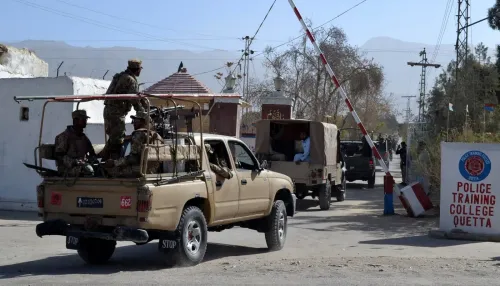
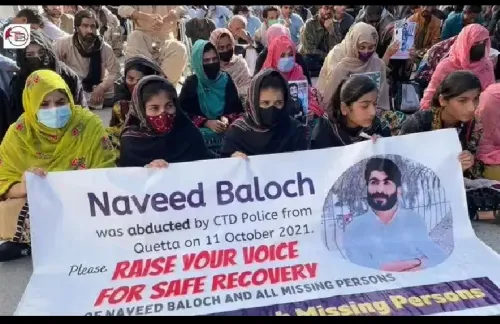
Separately, the Baloch Voice for Justice (BVJ) alleged that Rizwana Baloch, a 16-year-old first-year female student, was taken by personnel of Pakistan's Counter Terrorism Department on 28 June from the provincial capital Quetta. The BVJ described the incident as 'one of the most disturbing manifestations of state repression.'
Rights Bodies Demand Accountability
Paank issued a formal call urging Pakistani authorities to 'immediately disclose the fate and whereabouts' of the three missing persons. The organisation stated that the detainees must be 'afforded all legal safeguards, including prompt access to their families, lawyers, and necessary medical care, and either be charged with a recognisable criminal offence and brought before an independent court, or released immediately and unconditionally if they are being held solely in violation of their fundamental rights.'
Paank characterised the incidents as reflecting an 'arbitrary deprivation of liberty' and urged the international community to respond with urgency.
Targeting of Women and Minors — A Documented Pattern
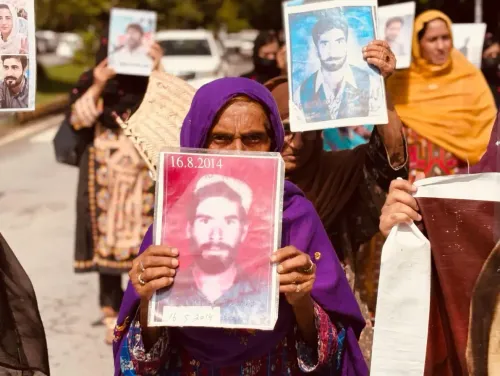
The Baloch Women Forum (BWF) noted that Rizwana's disappearance adds to a growing list of Baloch women allegedly taken by Pakistani forces, including Khadija Baloch, Mahjabeen Baloch, Nasreena Baloch, and Habiba Baloch. The BWF stated that 'enforced disappearance has become a deliberate instrument of fear, intimidation and collective punishment against the Baloch nation.'
The forum further argued that 'the continued abduction of Baloch women is a colonial tactic aimed at terrorising communities, silencing political voices and weakening the social fabric of an oppressed nation.' It called on global human rights mechanisms to ensure independent investigations and hold those responsible accountable.
Broader Context
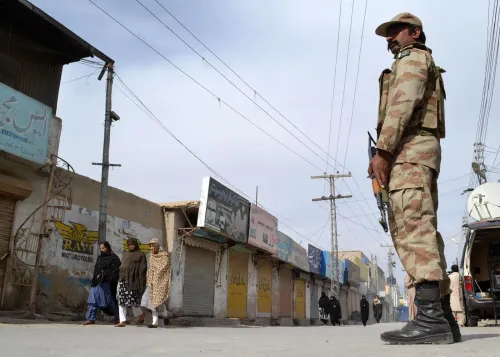
Enforced disappearances in Balochistan have been documented by international rights organisations for over two decades. The BVJ alleged that the current situation mirrors patterns of state repression seen historically in other conflict zones. Notably, Pakistani authorities have not publicly responded to the specific allegations raised on Monday. The international community, including the United Nations Human Rights Council, has previously flagged concerns about enforced disappearances in Pakistan, though accountability mechanisms remain limited in practice.
With rights bodies now calling for urgent international intervention, the coming weeks will test whether global pressure can compel any transparency from Pakistani authorities regarding the fate of the four missing civilians.
Point of View
Yet accountability has remained near zero; the addition of minors and women to the victim profile is the kind of escalation that historically precedes wider atrocities. Pakistan's continued silence in the face of named, dated, location-specific allegations from multiple rights organisations is itself a data point. The international community's record on Balochistan has been one of periodic statements and structural inaction — and that gap between rhetoric and response is precisely what emboldens the pattern these groups are describing.
NationPress
20 Oct 2026
Frequently Asked Questions
Who are the four civilians allegedly disappeared in Balochistan in July 2025?
The four victims identified by rights groups are Dilshad Baloch (27), Azam Baloch (80, a farmer), student Zahid Baloch, and 16-year-old female student Rizwana Baloch. The first three were allegedly abducted between 5 and 17 July, while Rizwana was reportedly taken from Quetta on 28 June by Pakistan's Counter Terrorism Department.
Which organisations have condemned the enforced disappearances?
Three organisations have spoken out: Paank (the Baloch National Movement's Human Rights Department), the Baloch Voice for Justice (BVJ), and the Baloch Women Forum (BWF). All three have called on Pakistani authorities and the international community to act immediately.
What have rights groups demanded from Pakistani authorities?
Paank has demanded that Pakistani authorities immediately disclose the fate and whereabouts of the missing persons and ensure they receive legal safeguards — including access to family, lawyers, and medical care. The groups say the detainees must either be formally charged before an independent court or released unconditionally.
Is the targeting of women and minors a new development in Balochistan?
Rights groups say no — the Baloch Women Forum listed at least four other women, including Khadija Baloch and Mahjabeen Baloch, previously disappeared under similar circumstances. However, organisations describe the alleged abduction of a 16-year-old student as a dangerous escalation, calling it a deliberate instrument of collective punishment.
Has the Pakistani government responded to these allegations?
As of Monday, 20 July 2025, Pakistani authorities had not publicly responded to the specific allegations raised by Paank, BVJ, or BWF regarding these four disappearances. Pakistan has historically disputed or denied enforced disappearance allegations in Balochistan.