Balochistan enforced disappearances: Pak forces abduct 3 civilians, including a minor
Synopsis
Three Baloch civilians — including a 17-year-old student — were allegedly abducted by Pakistani security forces in Quetta within a ten-day window, according to rights group Paank. The targeting of a minor has drawn particular alarm, and Paank is now pressing the UN and international community to act on what it calls an accelerating pattern of enforced disappearances in Balochistan.
Key Takeaways
Paank , the Baloch National Movement's human rights department, alleged that Pakistani forces abducted three civilians in Quetta between 1 August and 10 August 2025 .
Wajid Baloch , 27, was allegedly taken on 10 August from Qambrani Road , Quetta, by CTD personnel.
Asfand Baloch , 17 , was allegedly abducted on 4 August by the ISI , CTD , and Military Intelligence — the disappearance of a minor described as 'particularly alarming.' Asif Ali , 40, was reportedly taken from his home on 1 August ; his whereabouts remain unknown.
Paank has urged the United Nations and international human rights bodies to press Pakistan to disclose the fate of all disappeared persons and ensure accountability.
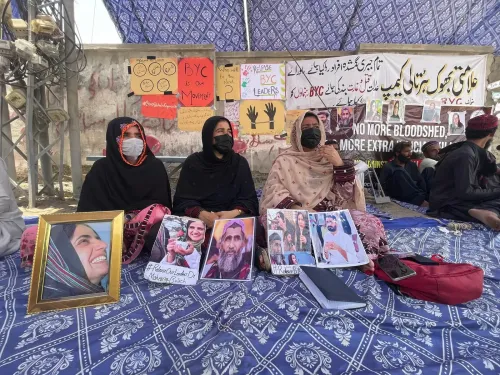
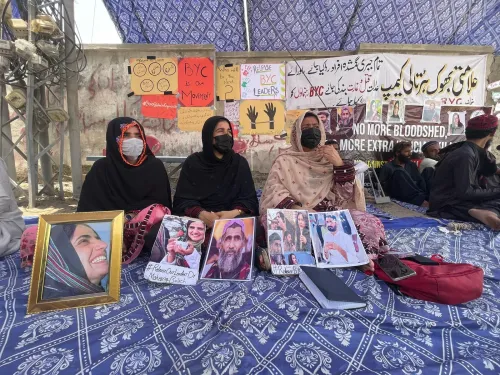
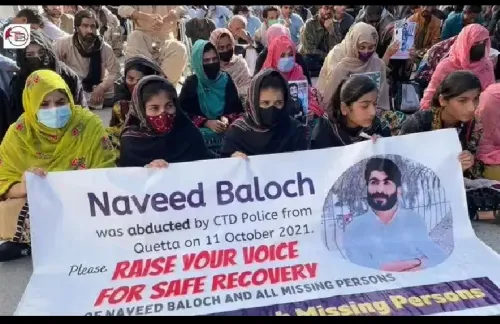
Pakistani security forces have allegedly abducted three Baloch civilians — including a 17-year-old student — in separate incidents across Quetta, Balochistan, between 1 August and 10 August 2025, according to Paank, the human rights department of the Baloch National Movement. The allegations, made public on Saturday, 15 August, add to a documented pattern of enforced disappearances that rights groups say has intensified across the province.
The Three Cases
Wajid Baloch, a 27-year-old student, was allegedly abducted in the early hours of 10 August from Qambrani Road in Quetta by personnel of Pakistan's Counter Terrorism Department (CTD), according to Paank's account.
In a separate incident, Asfand Baloch, aged 17, was allegedly taken on 4 August from Killi Almas Airport Road in Quetta by operatives of Pakistan's Inter-Services Intelligence (ISI), the CTD, and Military Intelligence. Paank described the disappearance of a minor as 'particularly alarming' and said it raises 'serious concerns regarding his safety and well-being.'
Asif Ali, 40, was reportedly taken from his home in Quetta on 1 August by ISI and CTD personnel. His whereabouts and condition remain unknown, according to the rights body.
What Paank Alleged
Paank stated that 'the continued practice of enforced disappearances, including the targeting of students and civilians, constitutes a grave violation of fundamental human rights and perpetuates fear and suffering among families across Balochistan.' The organisation called on Pakistani authorities to immediately disclose the whereabouts of all three men, ensure their safety, and release them without delay.
The group also noted that 'enforced disappearance is a serious violation of international human rights law' and that it 'places individuals outside the protection of the law and exposes them to grave risks, including torture and other forms of ill-treatment, while inflicting severe and continuing suffering on their families.'
International Appeal
Paank urged the United Nations, international human rights organisations, and the broader international community to take immediate notice of what it described as a 'continuing pattern' of enforced disappearances in Balochistan. The rights body pressed for accountability and justice for victims and their families, and called on global bodies to push Pakistani authorities to reveal the fate of all disappeared persons.
Broader Context
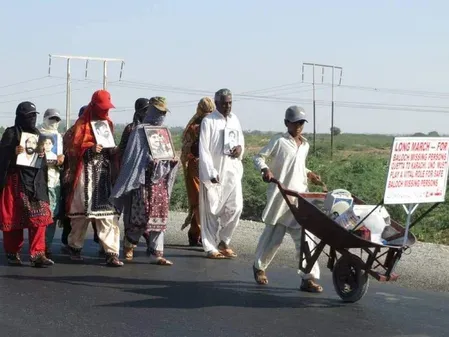
Balochistan has been at the centre of persistent allegations of extrajudicial action by Pakistani security forces for over two decades. Rights groups have documented hundreds of enforced disappearances in the province, with families often left without any official information on their relatives' fate or location. Notably, this is not an isolated report — Paank and other organisations have raised similar concerns repeatedly in recent months, arguing that the scale of disappearances has reached an 'unprecedented level.' Pakistani authorities have not publicly responded to these specific allegations.
With international scrutiny on Pakistan's human rights record growing, the fate of Asif Ali, Asfand Baloch, and Wajid Baloch is likely to draw renewed calls for independent investigation into security force conduct in Balochistan.
Point of View
If these allegations are accurate, are no longer limiting their operations to adults. Paank's documentation is consistent and granular, with names, dates, and locations, which distinguishes it from generic advocacy. Yet Pakistani authorities have issued no public rebuttal to these specific cases, a silence that itself warrants scrutiny. The international community's repeated 'notices' have not visibly deterred the practice; the real question is whether the UN Human Rights Council or any bilateral partner is prepared to move from statements to consequences.
NationPress
30 Sept 2026
Frequently Asked Questions
Who are the three Baloch civilians allegedly abducted by Pakistani forces?
The three are Wajid Baloch (27, student), Asfand Baloch (17, student), and Asif Ali (40). All three were allegedly taken from locations in Quetta, Balochistan, between 1 August and 10 August 2025, according to rights group Paank.
Which Pakistani agencies are accused of carrying out the abductions?
Paank alleged that Pakistan's Counter Terrorism Department (CTD) , Inter-Services Intelligence (ISI) , and Military Intelligence were involved across the three incidents. The specific agencies named vary by case.
Why is the disappearance of Asfand Baloch considered especially alarming?
Asfand Baloch is 17 years old, making him a minor under international law. Paank stated that his disappearance raises 'serious concerns regarding his safety and well-being' and sets a particularly troubling precedent in the pattern of enforced disappearances.
What is Paank and why is its account significant?
Paank is the human rights department of the Baloch National Movement . It has been documenting enforced disappearances in Balochistan for years, providing named individuals, dates, and locations — details that lend its reports greater specificity than general advocacy claims, though Pakistani authorities have not independently verified them.
What action has Paank demanded from the international community?
Paank has urged the United Nations , international human rights organisations, and the global community to press Pakistani authorities to disclose the whereabouts of all disappeared persons, ensure accountability, and end the practice of enforced disappearances in Balochistan.