Puri Rath Yatra UNESCO bid: Odisha CM writes to Centre for support
Synopsis
Odisha Chief Minister Mohan Charan Majhi has formally appealed to the Centre to champion the Puri Rath Yatra's UNESCO Intangible Cultural Heritage nomination — a bid that, if successful, would give Odisha only its second-ever entry on the prestigious global list, after the Chhau Dance.
Key Takeaways
Odisha CM Mohan Charan Majhi wrote to Union Culture Minister Gajendra Singh Shekhawat on 3 August seeking Centre's support for the Puri Rath Yatra's UNESCO nomination.
The proposal was originally submitted by the Shree Jagannatha Temple Administration (SJTA) , with all supporting materials reportedly filed in UNESCO's prescribed format.
If inscribed, the Rath Yatra would become Odisha's second UNESCO Intangible Cultural Heritage entry, after the Chhau Dance (jointly listed with Jharkhand and West Bengal).
CM Majhi described the festival as 'a timeless civilisational tradition' embodying India's cultural diversity, spirituality, and community participation.
The nomination requires formal endorsement and submission by India's Ministry of Culture before it can proceed through UNESCO channels.
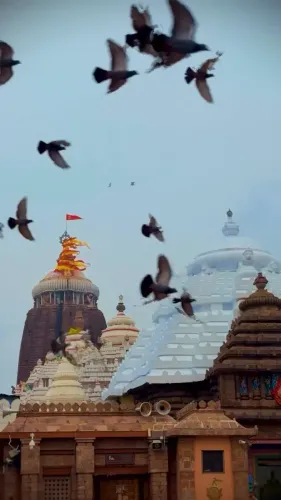
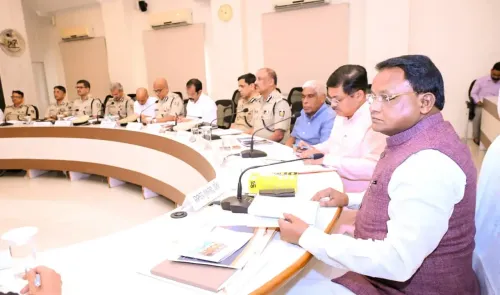
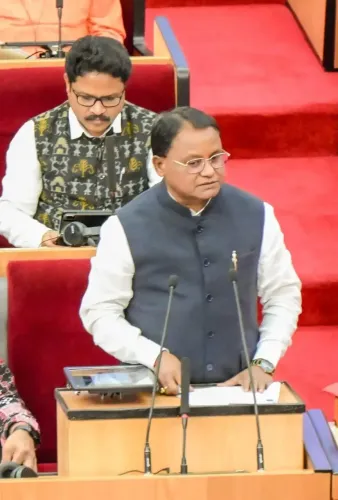
Odisha Chief Minister Mohan Charan Majhi has formally written to Union Minister of Culture and Tourism Gajendra Singh Shekhawat, urging the Centre's backing for the nomination of the Rath Yatra of Shree Jagannatha, Puri, for inscription on UNESCO's List of the Intangible Cultural Heritage of Humanity. The letter, sent from Bhubaneswar on 3 August, draws ministerial attention to a proposal already submitted by the Shree Jagannatha Temple Administration (SJTA).
What the Chief Minister Said
In his letter, Chief Minister Majhi described the Rath Yatra as 'not merely a religious festival but a timeless civilisational tradition that embodies India's rich cultural diversity, inclusivity, spirituality, craftsmanship, music, dance and community participation.' He emphasised that the festival, celebrated for centuries, draws millions of devotees and visitors from across the globe annually and stands as one of the most enduring symbols of India's living heritage.
Majhi specifically requested the Ministry of Culture's intervention to facilitate examination of the proposal and extend necessary support to advance the nomination with UNESCO 'at the earliest.' He also assured that the Government of Odisha and the SJTA would furnish any further information or assistance required during the process.
The Nomination Proposal
The SJTA has reportedly already submitted all supporting materials in the prescribed UNESCO format ahead of this political push. Chief Minister Majhi's letter represents the state government's formal appeal to the Centre to lend its weight to the dossier at the national level, a step necessary for any UNESCO nomination originating from India to proceed through official channels.
What UNESCO Recognition Would Mean
If inscribed, the Rath Yatra would become Odisha's second entry on UNESCO's Intangible Cultural Heritage list. The state currently holds one such inscription — the Chhau Dance, jointly listed with Jharkhand and West Bengal. Nationally, a successful nomination would add to India's growing portfolio of recognised intangible traditions and, as CM Majhi noted in his letter, 'further strengthen global recognition of India's rich intangible cultural traditions while contributing significantly to their preservation and promotion for future generations.'
Significance of the Rath Yatra
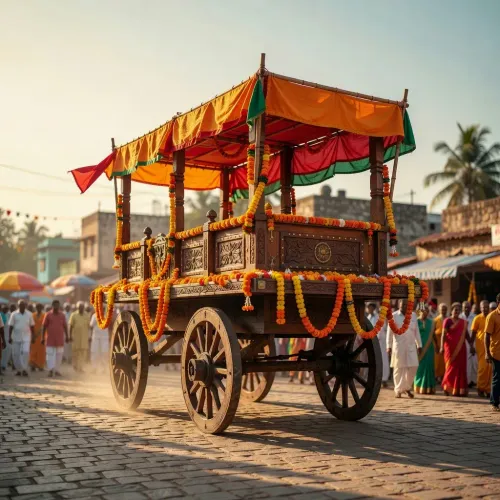
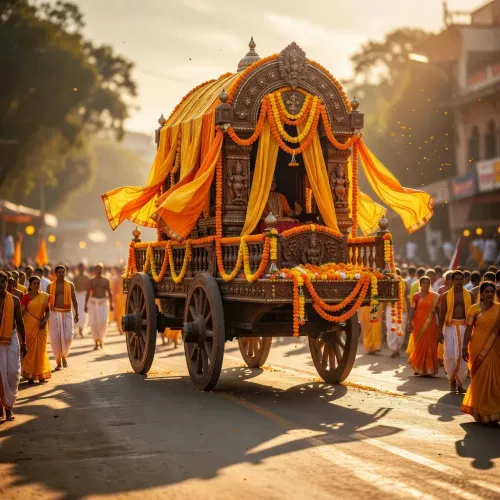
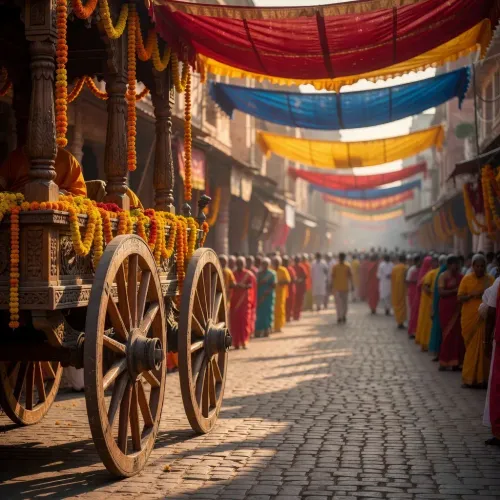
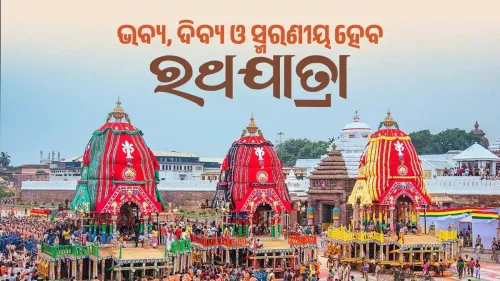
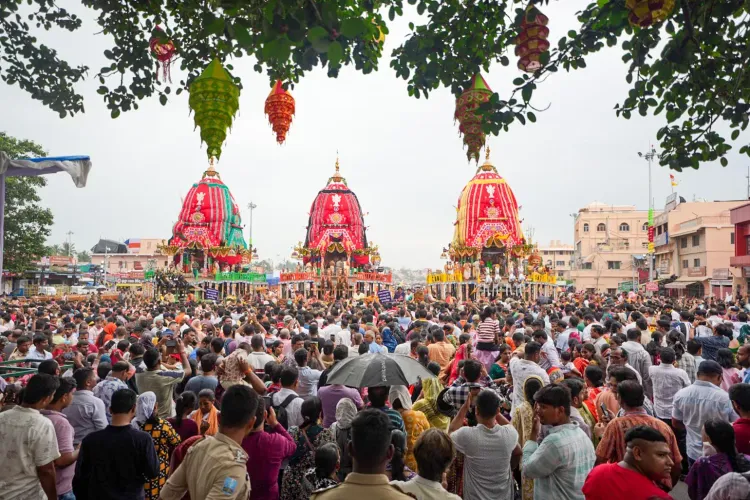
The Rath Yatra of Puri is among the largest religious processions in the world, with participation running into millions each year. The festival's hallmark — the public procession of deities on massive wooden chariots — has been documented in historical accounts stretching back many centuries, lending it the depth of tradition that UNESCO's intangible heritage criteria typically require. This comes amid a broader national effort to secure international recognition for India's diverse cultural practices, with several nominations in various stages of the UNESCO pipeline.
What Happens Next
For the nomination to advance, the Ministry of Culture must formally endorse and submit the dossier through India's permanent delegation to UNESCO. The timeline will depend on the ministry's internal review and the UNESCO submission cycle. The state government has signalled readiness to cooperate fully with any documentation or procedural requirements that follow.
Point of View
But it also means the nomination's fate could be read as a test of Centre-state cultural cooperation. The deeper question is whether India's UNESCO pipeline has the bandwidth and diplomatic muscle to advance multiple intangible heritage nominations simultaneously. Odisha's Chhau Dance inscription took decades of groundwork; the Rath Yatra's global visibility gives it a strong case, but documentation rigour and UNESCO's own backlog will ultimately decide the timeline, not political will alone.
NationPress
17 Sept 2026
Frequently Asked Questions
What is the Puri Rath Yatra UNESCO nomination about?
The Odisha government and the Shree Jagannatha Temple Administration (SJTA) are seeking UNESCO inscription of the Rath Yatra of Shree Jagannatha, Puri, on the List of Intangible Cultural Heritage of Humanity. Chief Minister Mohan Charan Majhi has written to the Union Culture Minister to secure the Centre's formal backing for the nomination.
Why does the Centre's support matter for this UNESCO bid?
UNESCO nominations from India must be routed through the national government — specifically the Ministry of Culture — before they can be formally submitted to UNESCO. Without the Centre's endorsement, a state-level proposal cannot advance in the international process.
Does Odisha already have any UNESCO Intangible Cultural Heritage listings?
Yes. Odisha currently has one UNESCO Intangible Cultural Heritage inscription — the Chhau Dance, jointly listed with Jharkhand and West Bengal. The Rath Yatra, if inscribed, would be the state's second entry on the list.
What makes the Puri Rath Yatra eligible for UNESCO recognition?
The Rath Yatra is one of the world's largest religious processions, documented across centuries, and draws millions of participants annually. UNESCO's intangible heritage criteria value living traditions with deep community roots, cultural diversity, and cross-generational transmission — all attributes the festival demonstrably possesses.
What happens next in the nomination process?
The Ministry of Culture must review and formally endorse the SJTA's dossier before submitting it through India's permanent delegation to UNESCO. The state government has assured full cooperation with any additional documentation requirements during this process.