Odisha CM Majhi writes to Centre for Ratha Yatra UNESCO bid
Synopsis
Odisha Chief Minister Mohan Charan Majhi has written to Union Culture Minister Gajendra Singh Shekhawat seeking the Centre's backing to nominate Puri's Ratha Yatra for UNESCO's Intangible Cultural Heritage of Humanity list, mirroring the successful Kumbh Mela inscription of 2017.
Key Takeaways
CM Mohan Charan Majhi has formally written to Union Minister Gajendra Singh Shekhawat seeking central government support for a UNESCO ICH nomination.
The target is inscription of the Ratha Yatra of Shree Jagannatha, Puri on UNESCO's List of the Intangible Cultural Heritage of Humanity.
India's Kumbh Mela was inscribed on the same UNESCO list in 2017 , establishing the precedent Odisha is now following.
The next step is the Ministry of Culture approving the nomination and preparing a formal dossier for UNESCO's Intergovernmental Committee.
Successful inscription would give Puri's Ratha Yatra global recognition alongside Yoga and Kumbh Mela on India's UNESCO ICH portfolio.
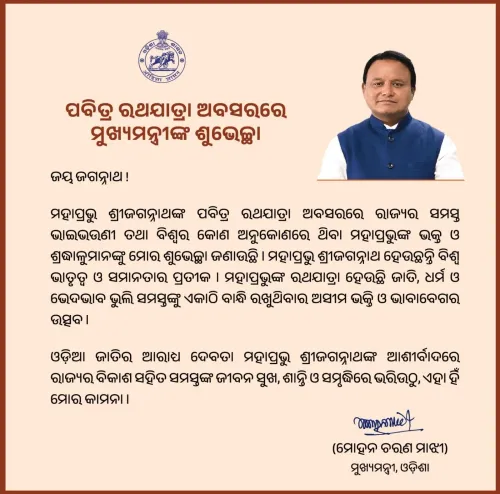
One of the world's oldest living chariot processions — drawing millions of devotees to Puri every year — may soon be formally recognised by the United Nations as an Intangible Cultural Heritage of Humanity. Chief Minister Shri Mohan Charan Majhi has written to Union Minister for Culture and Tourism Shri Gajendra Singh Shekhawat, formally requesting the Government of India's support to nominate the Ratha Yatra of Shree Jagannatha, Puri for inscription on UNESCO's List of the Intangible Cultural Heritage of Humanity, the Chief Minister's Office of Odisha announced on Monday, 3 August 2026.
Why Puri's chariot festival belongs on the world heritage map
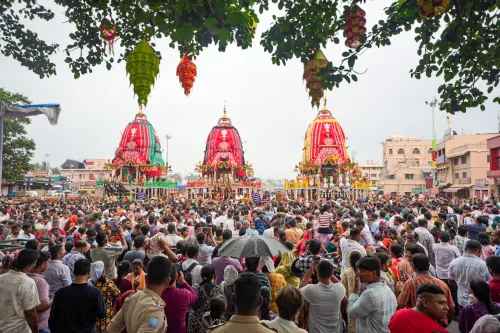
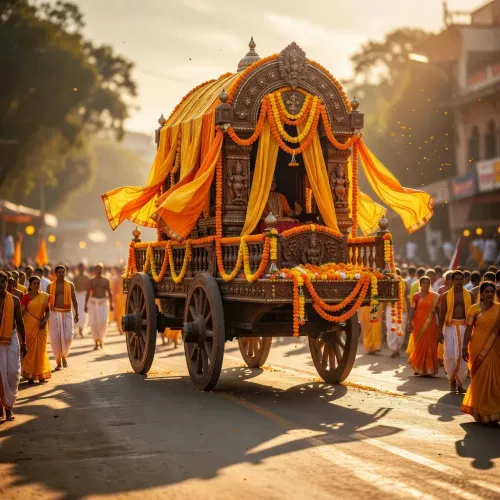
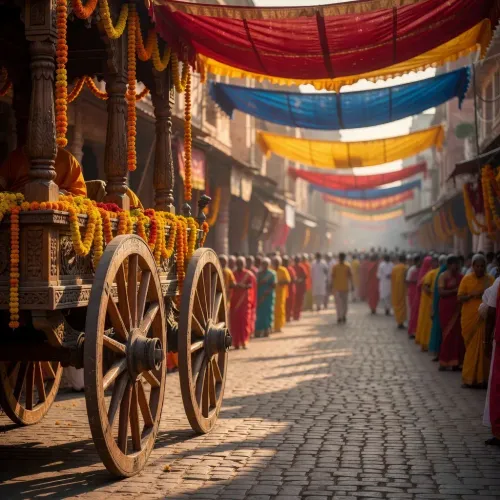
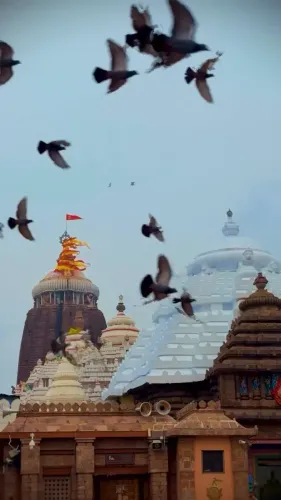
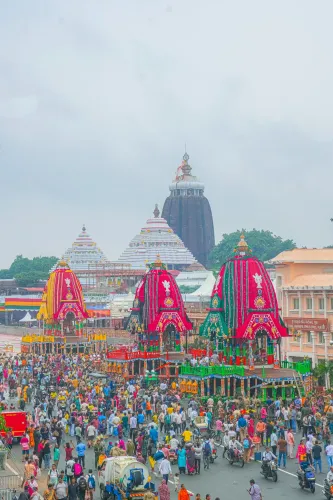
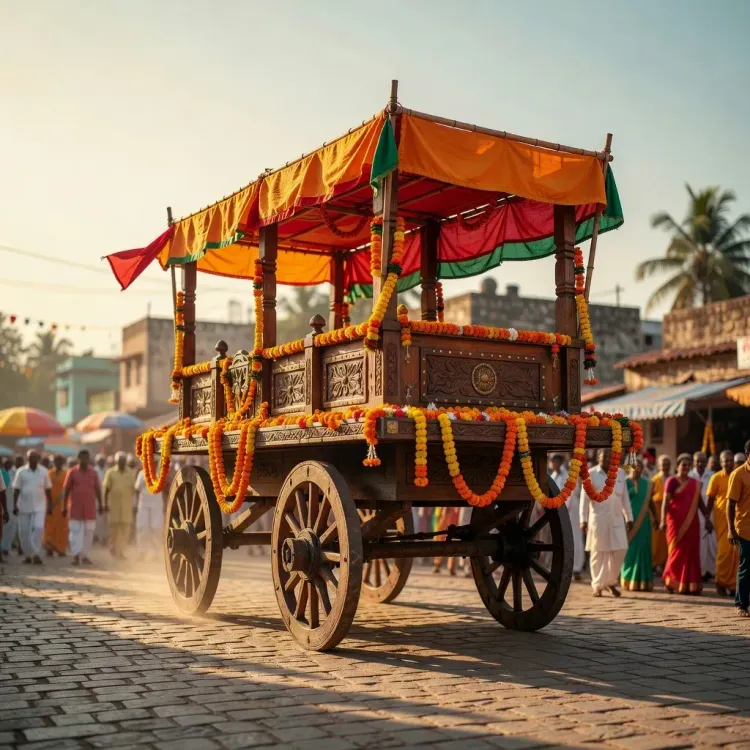
The Ratha Yatra is not a seasonal spectacle — it is a living, unbroken tradition rooted in the Jagannath Temple at Puri, one of the four sacred 'dhams' of Hinduism. Every year, the deities Jagannatha, Balabhadra, and Subhadra are ceremonially placed on massive hand-crafted wooden chariots and pulled through the streets by tens of thousands of devotees. The festival transcends caste, community, and geography: it draws pilgrims from across India and the world, and its cultural influence has spread to diaspora communities on every continent.
The scale, antiquity, and living continuity of the tradition are precisely the qualities UNESCO's Intangible Cultural Heritage framework is designed to protect and celebrate. Inscription would not only confer global recognition but also strengthen conservation efforts around the crafts, rituals, and oral traditions that sustain the festival.
India's ICH playbook — and the Kumbh Mela precedent
This nomination push follows a well-worn path. India's Kumbh Mela was inscribed on the UNESCO ICH list in 2017 after a coordinated push by the state and central governments — the closest parallel to what Odisha is now seeking for Ratha Yatra. India has steadily expanded its ICH portfolio as part of a broader cultural heritage diplomacy strategy, with state governments channelling proposals through the Ministry of Culture in New Delhi.
The formal process requires India to submit a nomination dossier to UNESCO, which is then reviewed by the Intergovernmental Committee for the Safeguarding of the Intangible Cultural Heritage. CM Majhi's letter to Minister Shekhawat is the critical first step: securing the Centre's endorsement to build and submit that dossier.
What comes next for the nomination
With the letter now in the Union Minister's court, attention shifts to whether the Ministry of Culture will green-light the nomination and begin assembling the formal dossier — a detailed document covering the festival's history, safeguarding measures, community consent, and transmission practices. A successful inscription would place Ratha Yatra alongside Kumbh Mela and Yoga on India's growing roster of UNESCO-recognised living traditions, and give Odisha's cultural identity its most prominent global platform yet.
Point of View
Odisha aligns its heritage ambitions with New Delhi's broader 'civilisational India' diplomatic narrative. The Kumbh Mela precedent of 2017 shows this pathway works when state and centre move in concert. For Majhi's BJP government, a successful UNESCO inscription would also deliver a high-visibility cultural dividend at home, reinforcing Jagannath devotion as a political and cultural touchstone in Odisha. The real test now is bureaucratic momentum: UNESCO dossiers demand years of documentation, community consultation, and inter-ministerial coordination.
NationPress
17 Sept 2026
Frequently Asked Questions
What is the Ratha Yatra of Puri and why is it significant?
The Ratha Yatra is an annual chariot festival held at the Jagannath Temple in Puri, Odisha, where the deities Jagannatha, Balabhadra, and Subhadra are placed on giant wooden chariots and pulled through the city by millions of devotees. It is one of the oldest and largest religious gatherings in the world and a major pilgrimage event in Hinduism.
What is UNESCO's Intangible Cultural Heritage list?
UNESCO's List of the Intangible Cultural Heritage of Humanity recognises living traditions — such as festivals, crafts, performing arts, and oral practices — that communities consider part of their cultural identity. Inscription raises global awareness and encourages local safeguarding efforts.
Has India successfully nominated any festivals to UNESCO's ICH list before?
Yes. India's Kumbh Mela was inscribed on UNESCO's Intangible Cultural Heritage of Humanity list in 2017, following a joint effort by the state and central governments. Yoga was inscribed in 2016.
What is the next step after CM Majhi's letter to the Union Minister?
The Union Ministry of Culture must endorse the nomination and then coordinate the preparation of a formal dossier for submission to UNESCO's Intergovernmental Committee for the Safeguarding of the Intangible Cultural Heritage, which reviews and approves nominations.
Who is Mohan Charan Majhi?
Mohan Charan Majhi is the Chief Minister of Odisha, heading the state BJP government since 2024. He has been a vocal advocate for Jagannath culture and Odia heritage since taking office.