Why has the Inquiry Commission Lifted the Travel Ban on Former PM Oli?
Synopsis
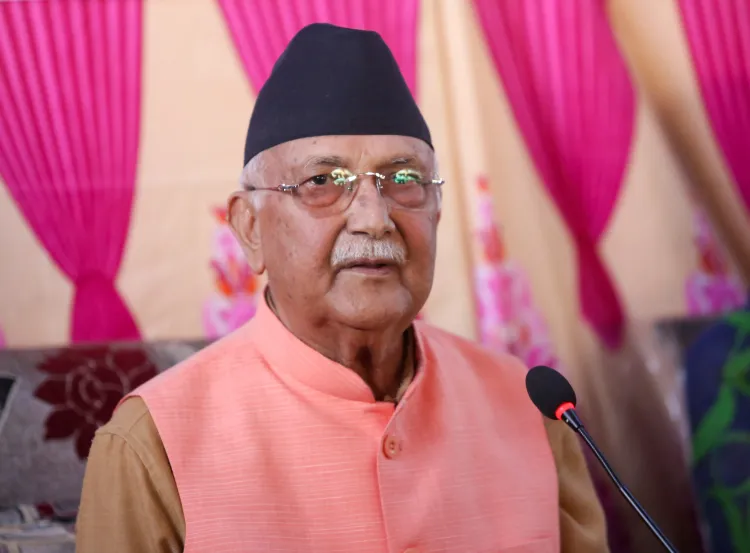
In a significant development, the inquiry commission investigating the Gen-Z movement has lifted the travel ban on former Prime Minister K P Sharma Oli. This decision comes after he provided his statement regarding the tragic events of last September, where 77 lives were lost. What does this mean for Nepal's political landscape?
Key Takeaways
Travel ban on K P Sharma Oli lifted Investigation into Gen-Z movement concluded 77 fatalities reported during protests Significant property damage assessed Political changes underway in Nepal
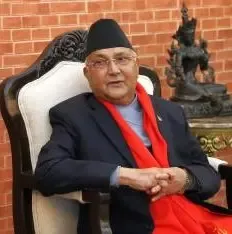
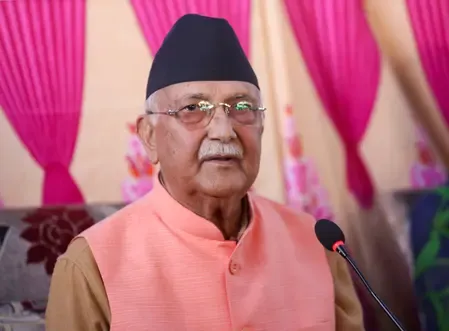
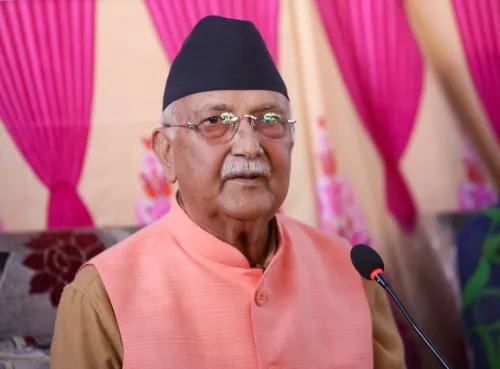
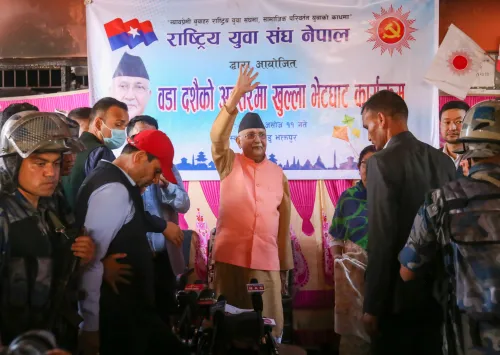
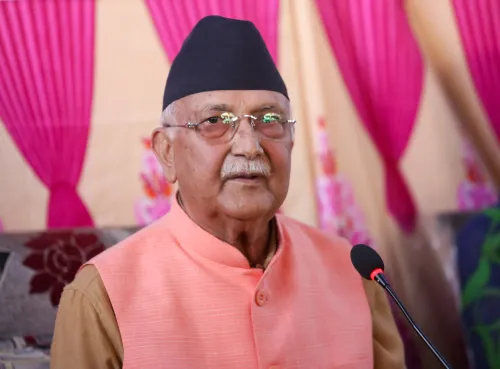
Kathmandu, Jan 5 (NationPress) The commission established to look into the events surrounding the Gen-Z movement from last September has announced today that it has revoked the travel restrictions on former Prime Minister K P Sharma Oli, permitting him to exit both the Kathmandu Valley and the nation.
The commission made this decision after obtaining Oli’s testimony related to the events. Despite having initially expressed doubts about the commission's impartiality and declining to appear, he ultimately engaged with the inquiry.
“With the necessary investigative work—including his questioning about the incidents of September 8 and 9, 2025—now concluded, the rationale for continuing his travel restrictions has dissipated. Hence, the mentioned restrictions have been removed,” the commission stated in a press release.
In late September of the previous year, the commission had enforced travel bans on Oli, ex-Home Minister Ramesh Lekhak, former Home Secretary Gokarna Mani Duwadi, former Chief of the National Investigation Department Hutaraj Thapa, and former Kathmandu Chief District Officer Chhabi Rijal as part of the investigation into the violent suppression of youth protests.
According to an evaluation conducted by a committee appointed by the Nepali government, during the two-day protests, approximately 77 lives were lost, and public/private property sustained damages exceeding NPR 84 billion.
Since the commission's inception, Oli had consistently challenged its neutrality and initially refrained from attending its sessions, often accusing commission chair Gauri Bahadur Karki of bias. Nevertheless, he eventually complied with the request to provide his statement.
Last week, former Home Minister Ramesh Lekhak testified before the commission, asserting that he did not authorize any orders to fire on the demonstrators during the Gen-Z movement in early September. Testimonies from senior security and administrative officials have also been documented.
Post the Gen-Z protests, Nepal has experienced a shift in its political landscape, with former Chief Justice Sushila Karki now at the helm of the interim government, which is primarily tasked with overseeing the elections for the House of Representatives scheduled for March 5 this year.
Point of View
It's crucial to recognize the gravity of the inquiry commission's decision to lift the travel restrictions on former Prime Minister K P Sharma Oli. This move signifies a step towards transparency in the investigation of the tragic events during the Gen-Z movement, which has reshaped Nepal's political landscape. The forthcoming elections will be pivotal in determining the nation's direction.
NationPress
20 Sept 2026
Frequently Asked Questions
What prompted the inquiry commission to lift the travel ban on K P Sharma Oli?
The travel ban was lifted after K P Sharma Oli provided his statement related to the incidents during the Gen-Z movement, indicating that the necessary inquiry work had been completed.
What were the consequences of the Gen-Z movement in Nepal?
The Gen-Z movement led to the loss of 77 lives and caused damage to public and private property worth over NPR 84 billion.
Who else faced travel restrictions during the inquiry?
Travel bans were also imposed on former Home Minister Ramesh Lekhak, former Home Secretary Gokarna Mani Duwadi, and several other officials.
What changes are anticipated in Nepal's political landscape following the protests?
The protests have ushered in political changes, including the appointment of former Chief Justice Sushila Karki to lead the interim government, which is tasked with organizing elections.