Pakistan govt to challenge SC order on Imran Khan's hospital transfer
Synopsis
Pakistan's government is set to challenge its own Supreme Court over a directive to send jailed former Prime Minister Imran Khan to a private hospital for medical examination — arguing the order exceeds legal parameters. The standoff exposes a deepening rift between the judiciary and the ruling establishment over the treatment of the country's most high-profile political prisoner.
Key Takeaways
Law Minister Azam Nazeer Tarar announced on 19 August that Pakistan's government will seek a review of the Supreme Court's order on Imran Khan's hospital transfer.
The government argues the directive to send Khan to Shifa International Hospital goes 'beyond the legal parameters' for facilities available to convicted prisoners.
The government proposes Khan be examined at a tertiary-care government hospital instead, with a medical board constituted per existing law.
The Supreme Court cited its obligation to 'safeguard the life, health, dignity and security of persons in custody' in Tuesday's ruling.
Pakistani daily Dawn reported Khan 'seems to have suffered some ailment or the other for many months,' with jail authorities persistently denying his ill health.
The standoff marks the latest in a series of clashes between the state and the judiciary over Khan's conditions of detention since his imprisonment in August 2023 .
Pakistan's Minister for Law, Azam Nazeer Tarar, announced on Wednesday, 19 August that the government intends to seek a review of the Supreme Court's directive ordering former Prime Minister Imran Khan's transfer to Shifa International Hospital for a medical examination, arguing the order exceeded legal boundaries. The move signals a direct confrontation between the ruling establishment and the country's top court over the treatment of its most prominent political prisoner.
What the Government Said
Tarar, in a video statement cited by leading Pakistani daily Express Tribune, said authorities had concluded that the court's directive 'does not fall within the legal parameters governing the facilities that can be provided to a convicted person in jail.' He indicated the government would pursue a modification of the order so that Khan could instead be examined at a tertiary-care government hospital, with medical specialists from major institutions constituting the board.
Tarar also raised a broader policy concern, noting that existing law already provides for a medical board to determine whether a prisoner's treatment should occur inside or outside jail. 'If prisoners are taken to private hospitals for such medical check-ups, there are thousands of prisoners across Pakistan facing various complications and illnesses,' he said.
What the Supreme Court Ruled
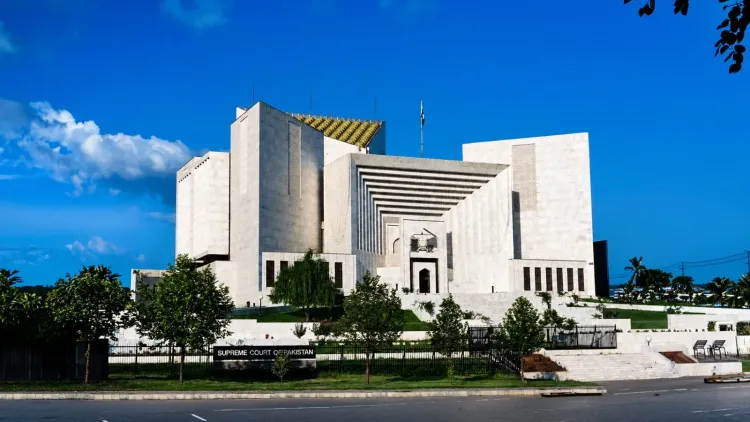
In its Tuesday ruling, the Supreme Court of Pakistan expressed concern over a reported deterioration in Khan's health while in custody. The court stated: 'We are mindful of the constitutional and legal obligation of the state, and consequently of the Supreme Court, to safeguard the life, health, dignity and security of persons in custody.' The ruling specifically directed that Khan undergo a medical examination at Shifa International Hospital, a private facility — the very provision the government now contests.
Media and Editorial Response
Another prominent Pakistani daily, Dawn, noted on Wednesday that Khan 'seems to have suffered some ailment or the other for many months now' but that his jailers had 'persistently denied he may be unwell.' In a pointed editorial, the newspaper argued it was 'unbecoming of a State to treat former leaders so poorly,' adding that senior leaders of the Pakistan Muslim League-Nawaz (PML-N) and the Pakistan Peoples Party (PPP) had themselves faced 'similar or worse cruelties in the past' and could have earned 'much goodwill' by intervening to ensure rival leaders were not mistreated during their own terms in power.
Broader Context
This is not the first time the Pakistani government has clashed with judicial directives concerning Khan's conditions of detention. The Pakistan Tehreek-e-Insaf (PTI) leader has been incarcerated since August 2023, facing multiple legal cases that his party contends are politically motivated. His health has been a recurring point of dispute between his legal team, prison authorities, and the state. Notably, the government's decision to challenge the order — rather than comply — escalates institutional friction at a moment when Pakistan's civil-military establishment is under international scrutiny over its handling of political opponents.
How the Supreme Court responds to the government's review petition will be closely watched, both as a test of judicial independence and as a signal of how far the state is willing to push back against court-mandated protections for a convicted former head of government.
Point of View
But doing so over a directive to provide medical access to a jailed former prime minister carries reputational costs that Islamabad appears willing to absorb. The Dawn editorial's reminder that PML-N and PPP leaders themselves endured harsh detention conditions under rival governments points to a structural problem: Pakistan's political class has historically weaponised incarceration, making principled objection to Khan's treatment difficult for any party to credibly mount. The real test is whether the Supreme Court holds its ground or accepts the government's proposed modification — and what that outcome signals about the independence of Pakistan's judiciary at a politically charged moment.
NationPress
4 Oct 2026
Frequently Asked Questions
Why is Pakistan's government challenging the Supreme Court order on Imran Khan?
The government argues the court's directive to transfer Imran Khan to Shifa International Hospital, a private facility, goes beyond the legal parameters governing medical facilities available to convicted prisoners. Law Minister Azam Nazeer Tarar said existing law already provides for a medical board to decide whether treatment occurs inside or outside jail.
What did the Supreme Court of Pakistan order regarding Imran Khan?
On Tuesday, 19 August, the Supreme Court directed that Imran Khan undergo a medical examination at Shifa International Hospital, citing its constitutional obligation to safeguard the 'life, health, dignity and security of persons in custody.' The court noted concerns about a reported deterioration in Khan's health.
What alternative is the Pakistan government proposing?
The government wants Khan to be examined at a tertiary-care government hospital rather than a private facility. Tarar indicated that medical specialists from major institutions could be included in the medical board, in line with the court's broader directions.
How long has Imran Khan been in jail?
Imran Khan has been incarcerated since August 2023 and faces multiple legal cases. His party, Pakistan Tehreek-e-Insaf (PTI), contends the cases are politically motivated. His health has been a recurring point of dispute between his legal team, prison authorities, and the state.
What has Pakistani media said about Imran Khan's health in custody?
Pakistani daily Dawn reported that Khan 'seems to have suffered some ailment or the other for many months now' but that jail authorities had 'persistently denied he may be unwell.' The newspaper's editorial also criticised the state for treating a former leader poorly, noting that PML-N and PPP leaders had faced similar conditions in the past.