Pakistan arrests 13 Afghan doctors in Multan amid deportation drive
Synopsis
Thirteen Afghan doctors and a medical student were arrested from a government hospital in Multan and moved to a deportation centre — despite their visa applications sitting unresolved for nearly a year. Their detention is a sharp illustration of how Pakistan's accelerating deportation drive is ensnaring even legally present Afghan professionals, not just undocumented migrants.
Key Takeaways
Pakistani police arrested 13 Afghan doctors and one medical student from a government hospital in Multan , Punjab , on 15 July .
The detainees were transferred to a deportation facility in Attock and face possible deportation despite pending visa applications filed nearly a year ago.
Five detainees had applied for entry visas; the remainder sought extensions of existing visas — none received an official decision.
Pakistan's Ministry of Interior ordered the arrest of all undocumented Afghan nationals from 10 July following an order issued on 28 June .
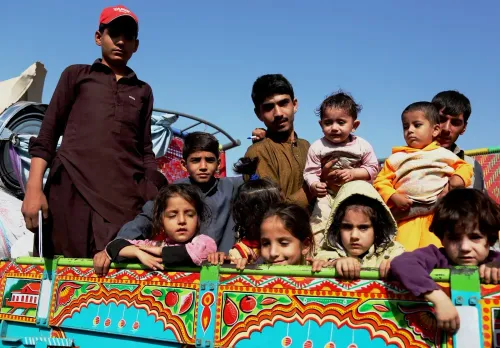
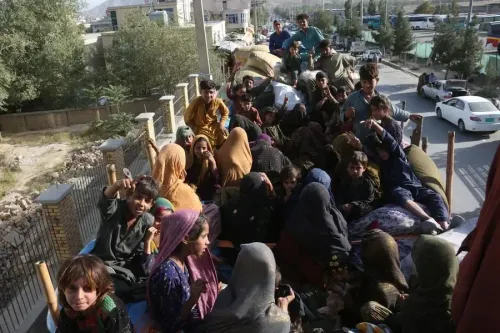
525 Afghan families were repatriated through the Torkham border crossing after three camps in Bannu district , Khyber Pakhtunkhwa , were vacated.
Pakistan's deportation drive, first launched in 2023 and renewed in April 2024 , has seen hundreds of thousands of Afghan residence permits rescinded.
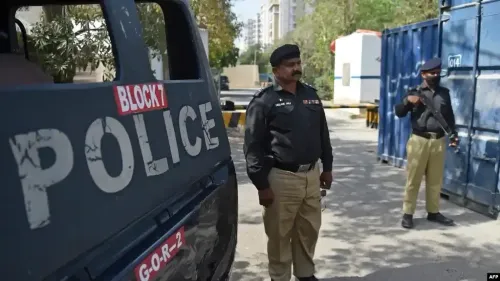
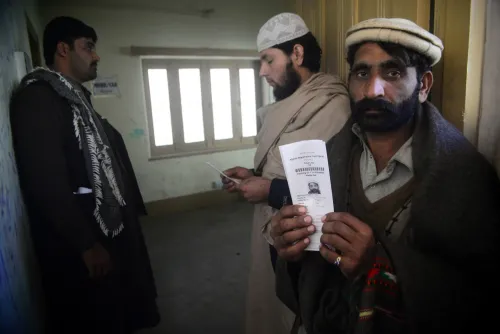
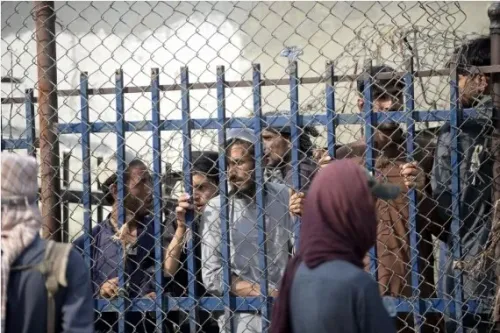
Pakistani police have arrested 13 Afghan doctors and one medical student from a government hospital in Multan, Punjab province, on 15 July, transferring them to a deportation centre in Attock, despite the group's visa applications having remained pending with Pakistani authorities for nearly a year. The detentions mark the latest flashpoint in Pakistan's intensifying crackdown on undocumented Afghan nationals.
What Happened in Multan
The detainees said police arrested them directly from a government hospital in Multan before transporting them to a detention facility in Attock, where they now face possible deportation. According to the group, five of them had applied for fresh entry visas while the remaining doctors had sought extensions of existing visas — both sets of applications submitted roughly a year ago with no official resolution received.
The detainees added that Pakistani police and security agencies had repeatedly checked their documents over the preceding year, yet their immigration cases remained in limbo. They have appealed to both the Pakistani government and Afghan authorities to intervene and allow them to remain in the country until they complete their medical specialisation and training programmes.
Pakistan's Broader Deportation Drive
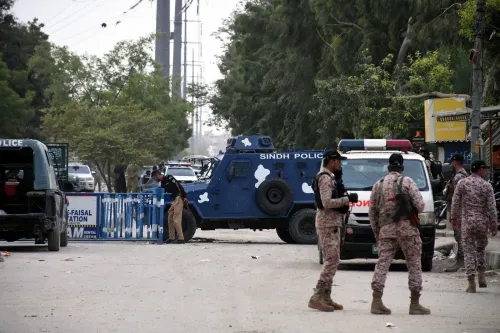
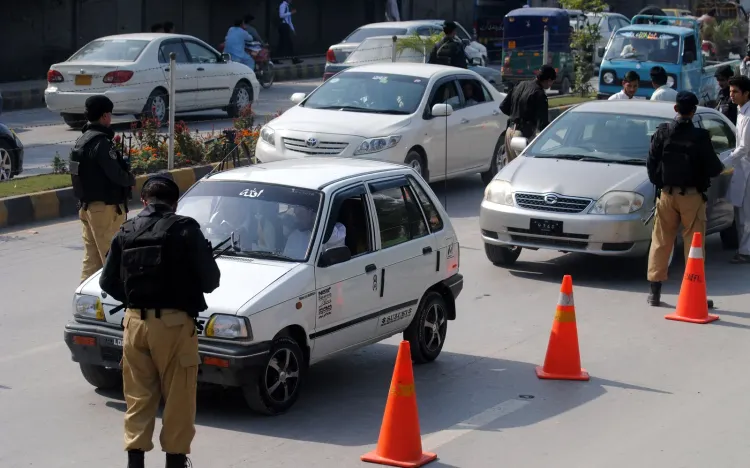
The arrests come as Pakistan continues to escalate its crackdown on undocumented foreign nationals — particularly Afghan citizens — with detention and deportation operations intensifying across the country in recent months. On 28 June, Pakistan's Ministry of Interior ordered the immediate arrest of any Afghan national found living in the country without a valid visa from 10 July onwards.
Pakistan had renewed its deportation drive — first launched in 2023 — in April last year, when the government rescinded hundreds of thousands of residence permits for Afghans and warned of arrests for those who did not leave voluntarily.
Refugee Camps Vacated in Khyber Pakhtunkhwa
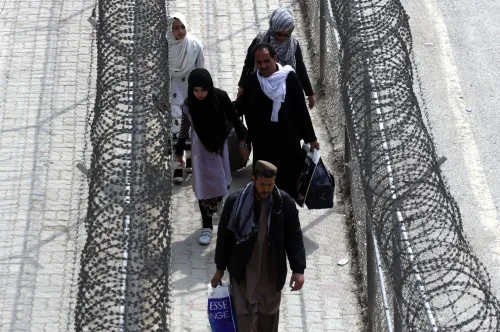
Separately, a total of 525 Afghan families were repatriated from Pakistan to Afghanistan after three refugee camps in Bannu district of Khyber Pakhtunkhwa province were completely vacated. Additional Deputy Commissioner (ADC) Umar Khittab Khan confirmed that the phased repatriation was being conducted under orders from the Khyber Pakhtunkhwa government.
The 525 families had been residing in camps at Bizan Khel, Ghoriwala, and Mamand Khel, and were repatriated through the Torkham border crossing. Authorities have now shifted their focus to Afghan nationals living in rented or private residences in Bannu and surrounding areas, with records being shared with local police stations to facilitate early repatriation.
Concerns Over Medical Training Disruption
The detained doctors have expressed particular concern that deportation could force them to abandon ongoing medical specialisation programmes mid-course. Their situation highlights a broader vulnerability: Afghan medical professionals who entered Pakistan legally and maintained their documentation are now caught in an administrative grey zone, with pending visa decisions offering no legal protection against detention. This is not an isolated case — similar detentions of Afghan professionals and students have been reported in other Pakistani cities in recent months as the crackdown widens.
What Comes Next
With Pakistani authorities now targeting Afghan nationals in private residences beyond formal camps, the pace of deportations is expected to accelerate. The outcome for the 13 doctors and one medical student held in Attock will likely depend on whether diplomatic channels between Kabul and Islamabad can secure a temporary reprieve pending a decision on their long-outstanding visa applications.
Point of View
But the Multan case exposes a harder truth: when visa processing is frozen for a year and then police arrive anyway, the distinction between documented and undocumented collapses. Detaining doctors mid-specialisation from inside a government hospital — a facility that presumably needed their services — also signals that the drive is now less about immigration compliance and more about a broad political signal to Kabul and to domestic audiences. The repatriation of 525 families from Bannu camps in the same week is not coincidental. What mainstream coverage underplays is the institutional cost: Afghan medical trainees deported before completing specialisation represent a brain-drain reversal that will strain Afghanistan's already-depleted health system, with no compensating gain for Pakistan's own healthcare capacity.
NationPress
13 Oct 2026
Frequently Asked Questions
Why were Afghan doctors arrested in Multan, Pakistan?
Pakistani police arrested 13 Afghan doctors and one medical student from a government hospital in Multan on 15 July as part of an intensifying nationwide crackdown on Afghan nationals without valid visas. The detainees say their visa applications or extension requests have been pending with Pakistani authorities for nearly a year without any official decision.
Where are the detained Afghan doctors being held?
The 13 doctors and one medical student were taken from Multan to a deportation detention facility in Attock, Punjab, where they reportedly face possible deportation to Afghanistan.
What is Pakistan's current policy on Afghan nationals?
Pakistan's Ministry of Interior ordered the immediate arrest of any Afghan national without a valid visa from 10 July 2025. The government renewed a deportation drive — first launched in 2023 — in April last year, rescinding hundreds of thousands of Afghan residence permits and warning of arrests for those who did not leave voluntarily.
How many Afghan refugees have been repatriated from Pakistan recently?
A total of 525 Afghan families were repatriated from three camps in Bannu district, Khyber Pakhtunkhwa — Bizan Khel, Ghoriwala, and Mamand Khel — through the Torkham border crossing, according to Additional Deputy Commissioner Umar Khittab Khan.
What have the detained doctors requested?
The detained Afghan doctors and the medical student have appealed to both the Pakistani government and Afghan authorities to intervene and allow them to remain in Pakistan until they complete their medical specialisation and training programmes.