Pakistan-labelled bedsheet at Pune fair triggers police inquiry in Pimpri-Chinchwad
Synopsis
A bedsheet labelled 'Made in Pakistan' — allegedly bought at a religious fair near Pimpri-Chinchwad's Moraya Gosavi Temple — has triggered a police inquiry in Pune. It is at least the third such case in Maharashtra in recent weeks, raising pointed questions about enforcement of India's post-Pahalgam import restrictions on Pakistani goods.
Key Takeaways
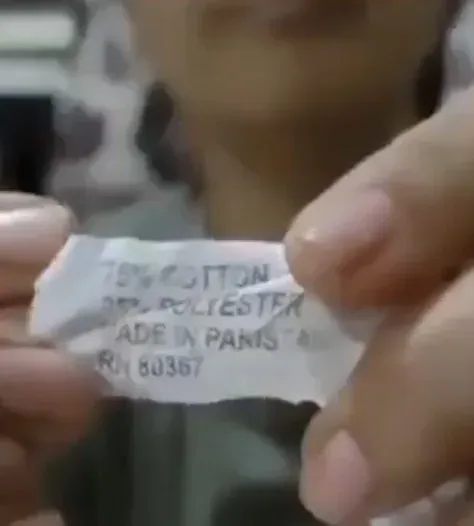
Pooja Saraf posted a viral video on X alleging a bedsheet purchased at a Sankashti Chaturthi fair near Moraya Gosavi Temple, Pimpri-Chinchwad carried a 'Made in Pakistan' label.
The Pimpri-Chinchwad Police have launched a preliminary inquiry and reportedly formed a special team to trace the product's origin.
No formal complaint has been lodged so far; further action will depend on investigation findings.
India imposed restrictions on direct and indirect Pakistani imports following the Pahalgam terror attack .
Similar cases were recently reported in Dhule (cosmetics) and Chhatrapati Sambhajinagar , marking at least the third such incident in Maharashtra in recent weeks.
A viral video posted on social media platform X has triggered a police inquiry in Pune after a woman claimed that a bedsheet she purchased at a religious fair near the Moraya Gosavi Temple in Pimpri-Chinchwad carried a 'Made in Pakistan' label. The incident, which surfaced on Wednesday, 4 June 2025, coinciding with the Hindu observance of Sankashti Chaturthi, has drawn attention amid India's ongoing restrictions on Pakistani imports.
What the Video Showed
The woman, identified as Pooja Saraf, shared the video on X alleging she had bought the bedsheet — along with several other household items — from a small temporary marketplace set up during the monthly religious fair. She said she noticed the 'Made in Pakistan' label only after returning home. Saraf expressed concern that other devotees and visitors at the fair may have unknowingly purchased similar products.
In the video, Saraf urged consumers to inspect product labels carefully before making purchases. Her post quickly gained traction, prompting widespread public attention and drawing the matter to the notice of local authorities.
Police Action and Preliminary Inquiry
Although no formal complaint has been lodged so far, the Pimpri-Chinchwad Police have initiated a preliminary inquiry based on the claims in the viral post. According to reports, a special team has been formed to verify the authenticity of the allegation and trace the origin of the product. Authorities have also reportedly urged the Pimpri-Chinchwad Municipal Corporation (PCMC) to take appropriate action if vendors are found to have violated existing trade regulations.
Why It Matters: India's Import Restrictions on Pakistan
The case has drawn heightened scrutiny because India imposed restrictions on both direct and indirect imports of goods originating from Pakistan following the Pahalgam terror attack. The restrictions, part of a broader set of security-driven trade measures, were intended to curtail the flow of Pakistani products into Indian markets. The presence of a Pakistani-labelled product at a public religious fair, if verified, would raise questions about enforcement gaps in the supply chain.
Pattern of Similar Cases Across Maharashtra
The Pune inquiry is not an isolated development. Last month, authorities in Dhule booked two traders after allegedly recovering Pakistani-made cosmetic products during raids. Prior to that, police in Chhatrapati Sambhajinagar initiated action against traders accused of stocking and selling goods manufactured in Pakistan. Notably, this marks at least the third such incident reported across Maharashtra in recent weeks, suggesting a broader pattern that enforcement agencies may need to address systematically.
What Happens Next
Officials confirmed the inquiry is ongoing and that further action will depend on the findings of the investigation. The outcome could set a precedent for how local administrations across Maharashtra handle similar complaints going forward. Consumer rights advocates have echoed Saraf's call for greater vigilance, while trade bodies are expected to face increased scrutiny over sourcing practices.
Point of View
Fairs, and retail channels that operate below the radar of customs and trade regulators. The Pimpri-Chinchwad case is especially pointed because it surfaced at a religious fair, a high-footfall, low-scrutiny venue where supply chains are rarely audited. The pattern demands a systemic response, not just case-by-case police action. If Pakistani goods are entering through indirect routes — third-country relabelling or grey-market channels — a complaint-driven enforcement model will always lag behind the supply chain.
NationPress
21 Oct 2026
Frequently Asked Questions
What happened at the Pimpri-Chinchwad religious fair in Pune?
A woman named Pooja Saraf alleged that a bedsheet she purchased at a fair held near the Moraya Gosavi Temple in Pimpri-Chinchwad on Sankashti Chaturthi carried a 'Made in Pakistan' label. She posted a video on X, which went viral and prompted a police inquiry.
What action have the Pune police taken so far?
The Pimpri-Chinchwad Police have initiated a preliminary inquiry and reportedly formed a special team to verify the allegation and trace the product's origin. No formal complaint has been filed yet, and further action will depend on the investigation's findings.
Why is a Pakistan-labelled product a concern in India?
India imposed restrictions on both direct and indirect imports of goods originating from Pakistan following the Pahalgam terror attack, as part of broader security-driven trade measures. A Pakistani-labelled product appearing in a public marketplace would, if verified, indicate a potential violation of those restrictions.
Are there similar cases elsewhere in Maharashtra?
Yes. Authorities in Dhule recently booked two traders after allegedly recovering Pakistani-made cosmetic products during raids, and police in Chhatrapati Sambhajinagar also took action against traders accused of stocking Pakistani goods. The Pune case is at least the third such incident in Maharashtra in recent weeks.
What can consumers do to avoid buying restricted goods?
Pooja Saraf urged consumers to carefully check product labels — including country-of-origin markings — before making purchases, particularly at temporary marketplaces and fairs where supply chain oversight may be limited.