Global Outrage Over Pakistan's Afghan Deportation Policy
Synopsis
A recent report reveals that Pakistan's Illegal Foreigners Repatriation Policy (IFRP) has led to the forced return of over two million Afghan refugees, igniting international condemnation for its violation of human rights and humanitarian laws.
Key Takeaways
Over two million Afghan refugees displaced due to Pakistan's IFRP.
International organizations have condemned the policy for human rights violations.
Women and children are disproportionately affected by the crisis.
Ongoing arbitrary arrests and extortion reported by returnees.
The international community calls for action to protect Afghan refugees.
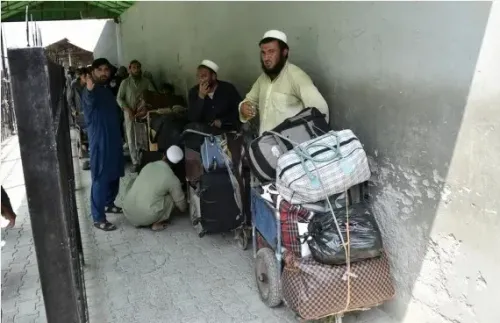
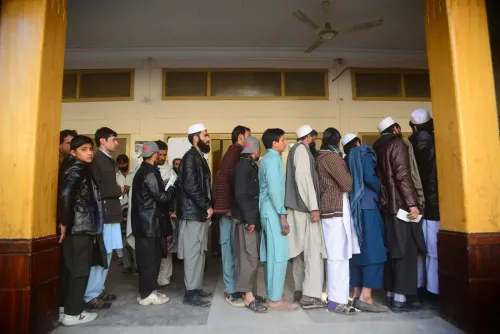
London, April 18 (NationPress) Pakistan's Illegal Foreigners Repatriation Policy (IFRP) demonstrates a large-scale, state-sanctioned refoulement, putting political agendas ahead of human rights and resulting in the displacement of over two million Afghan refugees. This has disrupted communities, violated global norms, and exacerbated the humanitarian crisis in Afghanistan, according to a recent report.
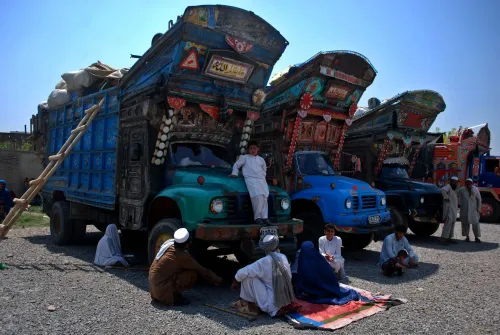
Launched in October 2023, the IFRP has emerged as one of the most extensive and criticized forced deportation initiatives worldwide, specifically targeting Afghan refugees who have resided in Pakistan for many years. By early 2026, this policy had forced the return of more than two million Afghans—including individuals with legal status—amid numerous allegations of arbitrary detentions, extortion, and coercive tactics, as detailed in a report by the UK-based 'Asian Lite'.
Human rights organizations and the United Nations have denounced the IFRP for its lack of transparency and its indiscriminate nature, asserting that it violates the non-refoulement principle, which prohibits sending refugees back to regions where they may face severe threats.
The report indicated that by February 2026, over one million Afghans had been deported, many of whom were undocumented, despite scarce access to essential services and resources.
Amnesty International has criticized the IFRP for its “illegality and inhumanity.” In March 2025, the organization urged for the plan's abandonment, warning that vague executive orders portray Afghans as “criminals and terrorists” while disregarding their refugee status and the dangers they face under Taliban governance in Afghanistan.
The policy contravenes the non-refoulement principle by returning individuals to environments where they may encounter persecution, torture, or extreme violence, infringing upon the 1951 Refugee Convention, the International Covenant on Civil and Political Rights, and customary international law. Amnesty documented forced relocations within Pakistan as well, such as moving individuals with Proof of Registration (PoR) from Islamabad and Rawalpindi by March 31, 2025, uprooting families who have lived there for decades.
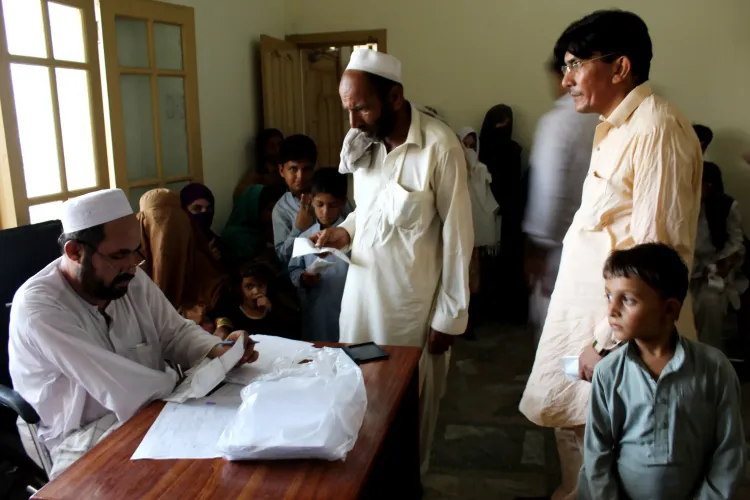
According to the report, those who returned have reported police abuses, including extortion, beatings, and arbitrary arrests during nighttime operations, often forcing families to pay bribes to evade detention.
In the second phase commencing in April 2025, 230,500 Afghans returned, comprising 42,800 deportees—70% of whom were undocumented, 19% held Afghan Citizen Cards, and 11% possessed Proof of Registration cards.
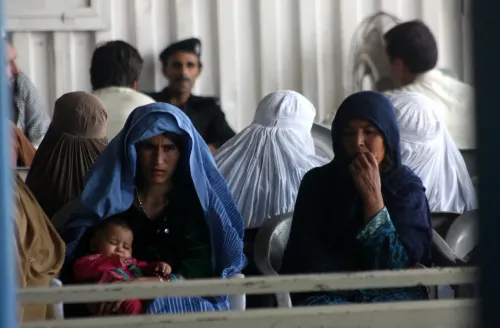
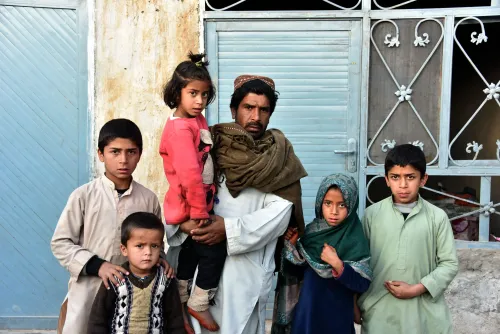
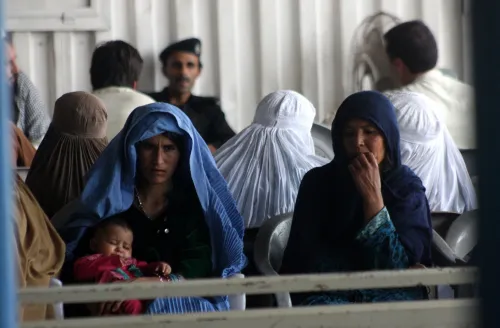
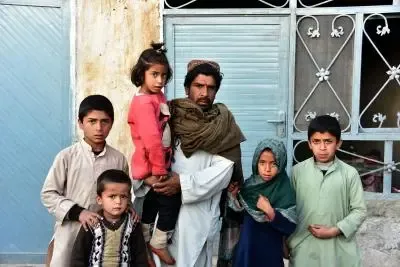
The report emphasized that women and children suffered the most, facing family separations, inadequate shelter upon their return, and threats of retribution from the Taliban due to supposed connections with Pakistani authorities.
Highlighting the crackdown on Afghan refugees, the report noted, “The international community has expressed concern but has limited influence. UNHCR has intensified border surveillance and aid efforts, urging Pakistan to cease forced deportations and renew registrations for 1.4 million individuals at risk. While Western donors, who significantly support Pakistan's economy, advocate for humane treatment, economic pressures limit stronger responses.”
Point of View
The situation surrounding Pakistan's deportation policy reveals a significant conflict between political interests and humanitarian obligations. The displacement of Afghan refugees and the ensuing international backlash highlight a critical challenge that requires a balanced approach to policy-making, ensuring the protection of human rights.
NationPress
18 Sept 2026
Frequently Asked Questions
How many Afghan refugees have been affected?
Over two million Afghan refugees have been displaced due to the IFRP, leading to significant humanitarian crises.
Why has the IFRP drawn global condemnation?
The IFRP has been criticized for violating the principle of non-refoulement, leading to arbitrary arrests and abuses, thereby breaching international human rights standards.
What actions have international organizations taken?
Organizations like Amnesty International and the UN have condemned the IFRP and urged Pakistan to halt forced deportations and protect the rights of Afghan refugees.
What are the implications for women and children?
Women and children are particularly vulnerable, facing family separation and risks of Taliban reprisals upon their return to Afghanistan.