Gujarat disburses record ₹7.14 crore funeral aid to 7,145 unorganised workers' heirs in 2025-26
Synopsis
Gujarat's funeral aid scheme for unorganised workers has paid out a record ₹7.14 crore to 7,145 families in 2025-26 alone — more than half the cumulative decade-long total of ₹13.73 crore. A doubling of the per-beneficiary amount to ₹10,000 and improved outreach appear to be driving the surge, signalling a meaningful scale-up in welfare delivery for informal labour.
Key Takeaways
Gujarat disbursed a record ₹7.14 crore to 7,145 heirs of unorganised workers in 2025-26 — the highest annual payout since the scheme launched in 2011 .
The Post-Death Ritual (Antyeshti) Assistance Scheme provides ₹10,000 per beneficiary, up from an earlier ₹5,000 .
Cumulatively, the scheme has benefited 26,657 families with over ₹13.73 crore over 10 years .
Eligibility requires the deceased to be an e-Shram cardholder , aged 16–70 , with family income below ₹1.20 lakh (rural) or ₹1.50 lakh (urban).
Construction workers with e-Nirman cards and Scheduled Caste individuals are covered under separate dedicated schemes.
Applications must be filed within three months of the worker's death with the Assistant or Deputy Labour Commissioner .
The Gujarat government has disbursed a record ₹7.14 crore to 7,145 heirs of unorganised sector workers in 2025-26 under its Post-Death Ritual (Antyeshti) Assistance Scheme, marking the highest annual payout since the programme's launch in 2011. The disbursement, announced on 2 May 2025 in Ahmedabad, reflects a sharp increase in both outreach and utilisation of the scheme in the current financial year.
Scheme Overview and Eligibility
The Antyeshti Assistance Scheme provides immediate financial relief to families of deceased unorganised workers — including construction workers and others not belonging to the Scheduled Castes — during funeral rites. To qualify, the deceased must have been an e-Shram cardholder, aged between 16 and 70 years at the time of death. The annual income ceiling for the beneficiary's family is set at ₹1.20 lakh in rural areas and ₹1.50 lakh in urban areas.
Key Financial Details
The financial assistance under the scheme has been increased from ₹5,000 to ₹10,000 per beneficiary. Cumulatively, over the past 10 years, the scheme has extended more than ₹13.73 crore to 26,657 beneficiaries, according to government data. The 2025-26 payout alone accounts for more than half the cumulative decade-long total, underscoring a significant ramp-up in disbursements.
Who Oversees the Scheme
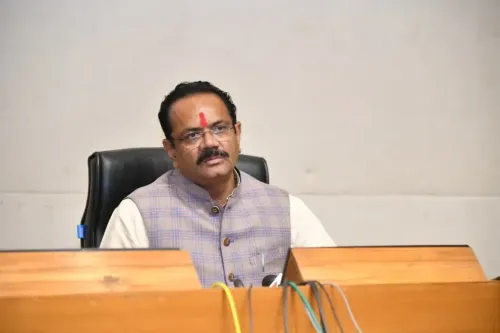
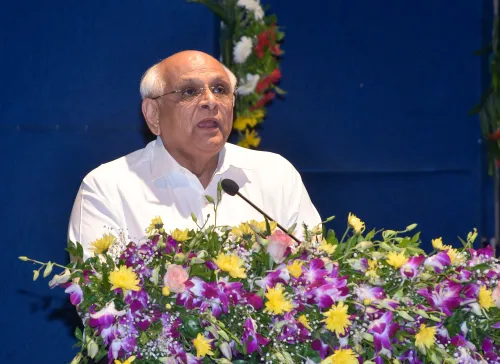
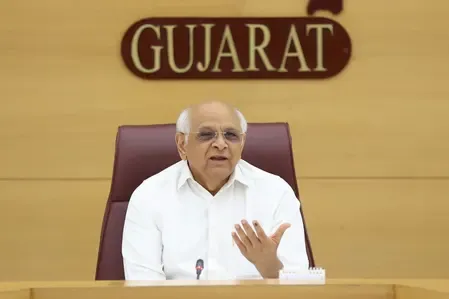
The scheme is being implemented under the guidance of Chief Minister Bhupendra Patel and the leadership of Labour and Employment Minister Kunvarji Bavaliya, with the Gujarat Rural Workers Welfare Board overseeing its execution. Eligible heirs must apply within three months of the worker's death, submitting the prescribed form along with required documents to the offices of designated labour authorities, including the Assistant Labour Commissioner or Deputy Labour Commissioner. Application forms are available on the Gujarat Rural Workers Welfare Board's official website.
Who Is Excluded and Why
The scheme does not apply to construction workers holding e-Nirman cards or individuals from the Scheduled Castes. Separate provisions exist for these groups: Scheduled Caste beneficiaries are covered under the Satyavadi Raja Harishchandra Post-Death Assistance Scheme, implemented by the Social Justice and Empowerment Department, while e-Nirman card holders are covered under schemes of the Gujarat Building and Other Construction Workers Welfare Board. This segmented approach ensures dedicated coverage across different worker categories without overlap.
What the Numbers Signal
The record disbursement in 2025-26 points to greater awareness among unorganised workers' families about available entitlements, as well as improved administrative outreach. Notably, the 2025-26 figure of ₹7.14 crore dwarfs any previous single-year payout since 2011, suggesting the doubling of the per-beneficiary amount to ₹10,000 has also contributed to the higher aggregate outlay. With the scheme's infrastructure now more established, further expansion in beneficiary coverage is anticipated in coming financial years.
Point of View
But context matters: the 2025-26 payout exceeding half the cumulative decade-long total is partly a mechanical outcome of doubling the per-beneficiary amount rather than purely organic growth in outreach. The income ceiling of ₹1.20–1.50 lakh has not been revised in line with inflation, potentially excluding families who have crossed the threshold nominally but remain economically vulnerable. The scheme's exclusion of Scheduled Caste workers and e-Nirman cardholders into separate silos also raises questions about administrative fragmentation — families navigating bereavement should not have to map their eligibility across three different boards and departments.
NationPress
26 Sept 2026
Frequently Asked Questions
What is Gujarat's Antyeshti Assistance Scheme?
The Antyeshti (Post-Death Ritual) Assistance Scheme provides ₹10,000 in financial relief to heirs of deceased unorganised sector workers in Gujarat to help cover funeral expenses. It is administered by the Gujarat Rural Workers Welfare Board and has been operational since 2011.
Who is eligible for the Gujarat funeral assistance scheme?
The deceased must have been an e-Shram cardholder aged between 16 and 70 years, and the family's annual income must not exceed ₹1.20 lakh in rural areas or ₹1.50 lakh in urban areas. The scheme excludes Scheduled Caste individuals and construction workers holding e-Nirman cards, who are covered under separate schemes.
How much has Gujarat disbursed under the scheme in 2025-26?
Gujarat disbursed a record ₹7.14 crore to 7,145 beneficiaries in 2025-26, the highest annual payout since the scheme's launch in 2011. The cumulative 10-year total stands at over ₹13.73 crore for 26,657 beneficiaries.
How can heirs apply for the funeral assistance?
Eligible heirs must apply within three months of the worker's death by submitting the prescribed form and required documents to the office of the Assistant Labour Commissioner or Deputy Labour Commissioner. Application forms are available on the Gujarat Rural Workers Welfare Board's official website.
Are Scheduled Caste workers covered under the Antyeshti scheme?
No, Scheduled Caste beneficiaries are not covered under the Antyeshti scheme. They are instead covered under the Satyavadi Raja Harishchandra Post-Death Assistance Scheme, implemented by Gujarat's Social Justice and Empowerment Department.