Is Pakistan Really a Safe Haven for Terror Groups Like ISIS-K?
Synopsis
The recent killing of an ISIS-K member in Pakistan raises alarming questions about the country's role in harboring terrorism. This article dives into the implications of such incidents and the broader regional threat posed by ISIS-K, challenging Pakistan's claims of being free from terrorist influence.
Key Takeaways
The killing of ISIS-K leaders in Pakistan raises serious concerns.
Pakistan is accused of providing a safe haven for terrorist groups.
Experts stress the need for regional cooperation against terrorism.
Political analysts suggest Pakistan's actions contribute to regional instability.
International pressure is mounting on Pakistan to address these issues.
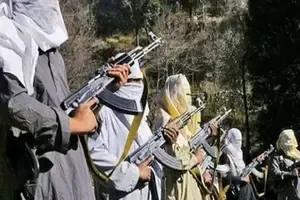
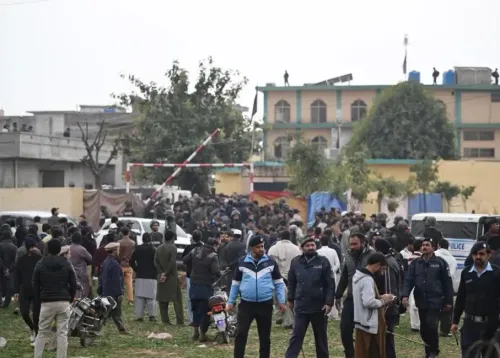
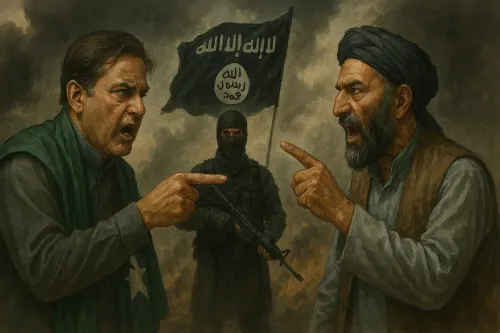
Kabul, Oct 31 (NationPress) The assassination of a senior ISIS-Khorasan leader in Peshawar, Pakistan, has reignited fears surrounding the group's operations across the Durand Line, as reported by Afghan media on Friday. This incident exposes Islamabad’s falsehoods regarding the absence of ISIS factions within its borders.
Nusrat, known by aliases Pahlawan Musa and Abu Zar, played a significant role in ISIS-K and was reportedly killed in Peshawar, according to Tolo News, citing security sources. He was involved in orchestrating attacks in Kabul between 2022 and 2023 and headed the group's 'Pahlawan' center in Pakistan.
Military analyst Sarwar Niazi remarked, "It’s evident that Pakistan has a history of training terrorist organizations within its territory and deploying them to neighboring countries, particularly Afghanistan, to fulfill its strategic objectives."
Former US Special Envoy for Afghan Peace, Zalmay Khalilzad, confirmed that a prominent ISIS-K member, who was planning assaults in Kabul, had been killed in Peshawar. He has consistently called upon Pakistan to cease providing refuge to ISIS-K.
Some defense experts argue that this recent killing reveals that the threat from ISIS extends beyond Afghanistan's borders and is a regional issue. They stress the necessity for collaborative regional efforts to eradicate the group.
Political analyst Aziz Maarej asserted, "It is undeniable that Pakistan is a breeding ground for terrorism in the region."
Another analyst, Nisar Ahmad Sherzad, informed Tolo News that the execution of senior ISIS leaders in Pakistan underscores that the country aids the group and houses its training facilities within its territory.
This isn't the first instance of reports highlighting the presence or execution of ISIS commanders in Pakistan, with several key figures from ISIS-K having been targeted in cities like Quetta, Karachi, and Peshawar.
Point of View
I assert that Pakistan's ongoing issues with terrorism require a balanced examination. While the nation has faced its own challenges, the revelations surrounding ISIS-K’s activities demand regional cooperation and accountability. It is essential that we approach this matter with a commitment to uncovering the truth and fostering dialogue.
NationPress
30 Sept 2026
Frequently Asked Questions
Why is the killing of ISIS leaders in Pakistan significant?
The killing of ISIS leaders in Pakistan highlights the country’s ongoing struggle with terrorism and raises concerns about its role in harboring extremist groups.
What are the implications of Pakistan's support for ISIS-K?
Pakistan's alleged support for ISIS-K could destabilize regional security and undermine international efforts to combat terrorism.
How has the international community responded?
The international community has called on Pakistan to take stronger actions against terrorist groups operating within its borders.
What can be done to combat ISIS-K?
Enhanced regional cooperation and intelligence sharing are crucial in combating ISIS-K and similar terrorist organizations.