Exclusive: Pallavi Chatterjee on Regional Cinema's Pan-India Rise
Synopsis
Actress Pallavi Chatterjee, sister of Bengali superstar Prosenjit Chatterjee, reveals how South Indian cinema has surpassed Bollywood, why language prep is critical for multilingual actors, and how she broke age barriers by stepping into film production — a candid take on Indian cinema's biggest transformation.
Key Takeaways
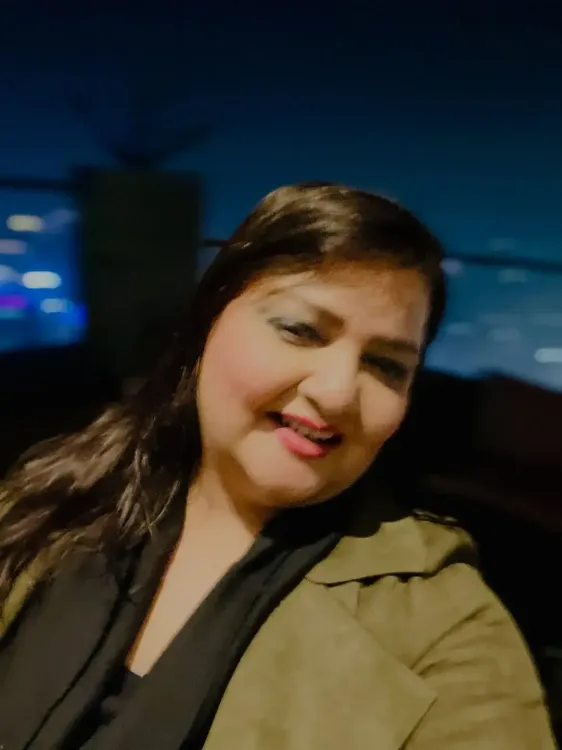
Pallavi Chatterjee , sister of Bengali superstar Prosenjit Chatterjee , spoke exclusively to IANS about the transformation of regional cinema in India .
South Indian cinema has achieved pan-India and global reach , surpassing Bollywood in many respects, according to Pallavi.
Pallavi has worked in Bengali, Hindi, Oriya, and international productions , stressing that language preparation is critical to authentic multilingual performance.
She immersed herself with local technicians and community members to perfect Oriya pronunciation before filming, underscoring her commitment to preparation.
Pallavi stepped into film production to escape age-based stereotyping of actresses — a systemic issue she identified as a major barrier in Indian cinema .
She carried equipment on set and worked closely with technicians, viewing filmmaking as a collaborative team effort beyond just performance.
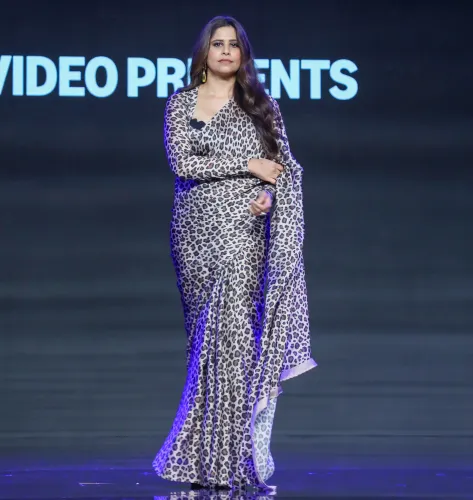
Mumbai, April 26 — Actress Pallavi Chatterjee, sister of acclaimed Bengali actor Prosenjit Chatterjee, has spoken candidly about the sweeping transformation of regional cinema in India, its growing global footprint, and the evolving mindset required of actors who work across multiple languages and cultures. Speaking exclusively to IANS, Pallavi offered a sharp and experience-backed perspective on an industry in the midst of a historic shift.
South Indian Cinema's Unprecedented Pan-India Breakthrough
Pallavi Chatterjee was unequivocal in her assessment of South Indian cinema's meteoric rise. "South Indian cinema has grown tremendously and has even surpassed Bollywood in many ways," she stated. "Earlier, it was confined to regional audiences, but today it has a pan-India and global reach."
This observation aligns with a broader industry reality. Blockbusters like RRR, KGF: Chapter 2, and Pushpa redefined box office benchmarks, consistently outperforming mainstream Hindi cinema in recent years. The rise of OTT platforms further accelerated this cross-cultural penetration, making dubbed and subtitled regional content accessible to audiences far beyond their linguistic home base.
What was once dismissed as a niche, regionally limited industry is now commanding international distribution deals, Hollywood comparisons, and serious awards recognition — a seismic shift that even traditional Bollywood studios have been forced to acknowledge and adapt to.
The Multilingual Actor's Mindset: Language as a Performance Tool
Having worked across Bengali, Hindi, Oriya, and international productions, Pallavi Chatterjee brings rare cross-cultural experience to the conversation. She emphasized that while the character always remains the actor's primary focus, linguistic comfort is a non-negotiable foundation for authentic performance.
"When working in a different language, proper preparation is essential," she explained. "If you are not comfortable with your lines, your focus shifts from performance to dialogue delivery" — a critical distinction that can undermine even the most skilled actor's output on screen.
Her approach to working in Oriya is particularly instructive. Rather than relying solely on phonetic memorization, Pallavi immersed herself with local technicians and community members to perfect her pronunciation. "Homework is crucial for every actor. Being well-prepared before going on set makes a huge difference," she noted — a philosophy that resonates with the growing demand for authenticity in Indian regional storytelling.
From Actress to Producer: Breaking Age Barriers in Indian Cinema
One of the most compelling aspects of Pallavi Chatterjee's career trajectory is her deliberate pivot into film production — a decision driven not by circumstance but by a conscious refusal to be boxed into the limited, stereotypical roles that Indian cinema historically offered actresses beyond a certain age.
"Earlier, there was no OTT, and actresses often had limited roles after a certain age, mostly restricted to stereotypical characters," she reflected. "I wanted to keep doing meaningful work, so I stepped into production."
Her transition was grounded in genuine technical learning. Pallavi credits her close relationships with on-set technicians as pivotal to her understanding of filmmaking as a collaborative craft. She even carried equipment on set — a gesture that speaks to both her humility and her commitment to understanding every layer of the production process.
"People often judge a film as good or bad, but they don't realize the effort, money, and emotions that go into making it," she said. This empathy-driven understanding of cinema has shaped her evolution from performer to creative stakeholder.
Why This Moment Matters for Indian Regional Cinema
Pallavi Chatterjee's observations arrive at a pivotal moment for the Indian entertainment industry. The regional cinema boom is not merely a box office trend — it represents a fundamental restructuring of cultural power within Indian media. Languages like Telugu, Tamil, Kannada, Malayalam, and Bengali are no longer secondary to Hindi in the national conversation; they are driving it.
The rise of OTT platforms such as Netflix, Amazon Prime Video, and Disney+ Hotstar has democratized content consumption, enabling regional stories to find audiences in Europe, North America, and Southeast Asia. This global appetite for authentic, rooted storytelling is precisely what South Indian cinema has capitalized on — and what other regional industries, including Bengali cinema, are now actively pursuing.
For actors like Pallavi Chatterjee, who have navigated multiple linguistic and cultural registers throughout their careers, this shift validates a long-held belief: that depth of preparation, cultural sensitivity, and storytelling authenticity will always transcend regional boundaries.
Looking Ahead: Regional Cinema's Next Frontier
As Indian regional cinema continues its global ascent, the industry is expected to see increased co-productions between regional studios and international streaming giants, more multilingual releases, and a growing emphasis on actors who can move fluidly across languages and formats. Pallavi Chatterjee's career — spanning performance, production, and cross-cultural collaboration — offers a compelling blueprint for the next generation of Indian cinema professionals navigating this exciting, boundary-dissolving era.
Point of View
Bollywood dictated the cultural conversation; today, regional cinema — led by the South — is setting the agenda, proving that authentic storytelling in one's own language can command both national and global audiences. What's often overlooked is the structural barrier Pallavi herself confronted: the industry's age-based sidelining of women, which she countered not by waiting for better roles but by becoming a producer. Her journey is a quiet indictment of a system that has long undervalued experienced women in cinema, and a reminder that systemic change often begins with individual acts of creative defiance.
NationPress
30 Sept 2026
Frequently Asked Questions
Who is Pallavi Chatterjee and how is she related to Prosenjit Chatterjee?
Pallavi Chatterjee is an Indian actress and the sister of popular Bengali actor Prosenjit Chatterjee. She has worked across Bengali, Hindi, Oriya, and international film projects throughout her career.
What did Pallavi Chatterjee say about the rise of regional cinema in India?
Pallavi Chatterjee stated that South Indian cinema has grown tremendously and has surpassed Bollywood in many ways, expanding from regional audiences to a pan-India and global reach. She cited this as one of the most significant transformations in the Indian film industry.
How does Pallavi Chatterjee prepare for roles in different languages?
Pallavi emphasizes thorough preparation before stepping on set, including sitting with locals and technicians to perfect pronunciation when working in unfamiliar languages. She believes that linguistic comfort is essential for authentic performance, as discomfort with dialogue shifts focus away from acting.
Why did Pallavi Chatterjee move into film production?
Pallavi transitioned into film production because she wanted to continue doing meaningful work at a time when Indian cinema offered limited and stereotypical roles to actresses of a certain age. She built her production knowledge through close collaboration with on-set technicians over the years.
How has OTT changed opportunities for regional cinema and older actresses in India?
OTT platforms have significantly expanded the reach of regional cinema, enabling content in languages like Telugu, Tamil, and Bengali to find audiences globally. They have also created more diverse roles and storytelling opportunities, reducing the age-based limitations that traditionally affected actresses in mainstream Indian cinema.