Pargat Singh accuses BJP of delimitation push via women's quota
Synopsis
Punjab Congress chief Pargat Singh says the BJP is using women's reservation as cover to redraw Lok Sabha seats. He warns that an 800-plus Parliament could punish Punjab and southern states for controlling their populations, reviving a federal fault line that two earlier governments had deliberately frozen.
Key Takeaways
Pargat Singh accused the BJP-led Centre of pushing delimitation under the cover of the Women's Reservation Bill .
He warned that expanding Parliament to more than 800 members could weaken states on the basis of population.
A 25-year freeze on delimitation imposed in 1976 was extended in 2001 by the Vajpayee government, Singh noted.
Punjab has only 13 MPs in the Lok Sabha, and Singh said their voice is undervalued at the Centre.
He sought a concrete policy on waterlogging in border areas, cotton cultivation and crop marketing, and urged the Shiromani Akali Dal to put Punjab first.
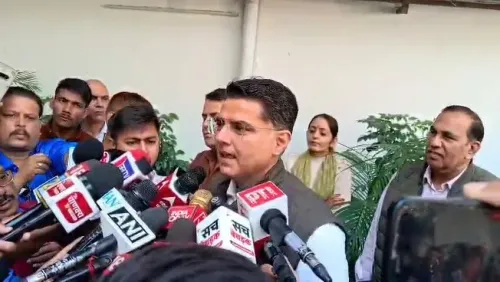
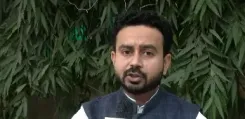
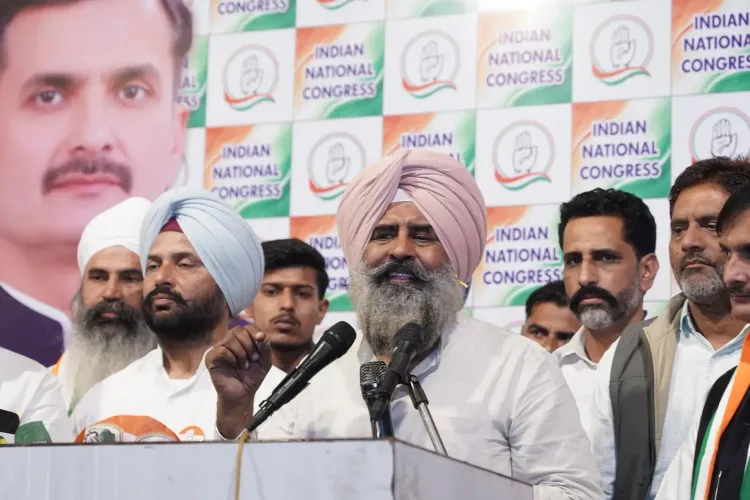
Punjab Pradesh Congress Committee President Pargat Singh on Sunday accused the Bharatiya Janata Party (BJP)-led Centre of trying to weaken India's democratic and federal structure by advancing the delimitation process under the cover of the Women's Reservation Bill. He made the remarks while addressing party workers in Fazilka, Punjab, on 29 November 2026 as part of the Congress's 'Punjab Mangda Insaaf' campaign.
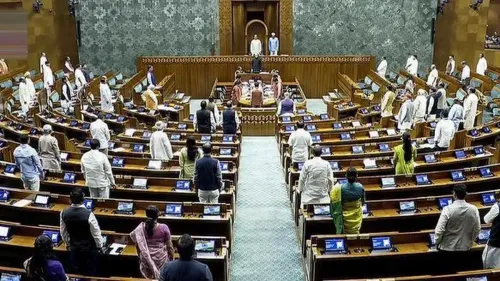
He warned that redrawing Lok Sabha constituencies and expanding Parliament to more than 800 members could leave population-controlling states such as Punjab and those in the South politically weaker.
Congress Backs Women's Quota, Opposes Delimitation Link
Singh said Parliament had already passed the Women's Reservation Bill in 2023. He added that the Congress fully supports greater political representation for women.
He drew a clear line between the quota and the redrawing of seats. “However, the proposal to redraw Lok Sabha constituencies in the name of women's reservation and increase the strength of Parliament to more than 800 members could pose a serious threat to the country. The BJP's intention is not to empower women but to gain political advantage through delimitation,” he said.
Notably, the 2023 law ties the rollout of women's reservation to a fresh delimitation exercise. That linkage has drawn criticism from Opposition parties, who argue that it delays the quota and reopens the question of how seats are shared among states.
History of the Delimitation Freeze
Singh traced the issue back to 1976. He said the government of the day imposed a 25-year freeze on delimitation to encourage population control.
He noted that in 2001, the Union government led by Atal Bihari Vajpayee extended the freeze. According to Singh, the extension was meant to ensure that states doing better on population control were not treated unfairly.
“Today, the BJP government is attempting to disturb that carefully maintained balance,” he said.
Punjab's Representation Concerns
Singh pointed out that Punjab has only 13 MPs in the Lok Sabha. He said their voice does not get the importance it deserves at the Centre.
“Merely increasing the number of MPs will not strengthen democracy; rather, it could create a situation in which states are politically weakened on the basis of their population. Punjab and the Southern states have made significant contributions towards population control and must not be punished for their achievements,” he said.
This comes amid wider unease among states with slower population growth. Many of them fear that a population-based redrawing of seats would shift parliamentary weight toward larger northern states.
Agricultural Crisis and Appeal to Akali Dal
Turning to the state's farm distress, Singh said Punjab's economy does not rest on farmers alone. He said commission agents, labourers, shopkeepers, traders and the entire rural market are closely tied to agriculture.
“When a farmer sells his crop, the benefits flow through the entire economic structure,” he said.
He urged leaders of the Shiromani Akali Dal to put Punjab's interests above political considerations. He also asked them not to play with the interests of farmers and the state's agricultural economy.
“There is an urgent need for a concrete policy to address waterlogging in border areas, improve the condition of cotton cultivation and ensure better marketing of agricultural produce. The Congress will also work towards establishing agriculture-based processing units in Punjab and encouraging investment in this sector,” he said.
What Lies Ahead
With the delimitation debate set to sharpen as the next census and seat-reallocation exercise approach, the Congress in Punjab appears to be framing the issue as a matter of federal fairness. The party is also pairing that argument with a farm-focused outreach ahead of future electoral contests in the state.
Point of View
The Congress is cleverly using the BJP's own past to argue for continuity. Yet the party voted for the 2023 law that tied the women's quota to delimitation, a contradiction its critics will exploit. The Centre has not yet answered the real question of how it will protect states' relative weight in any expanded House.
NationPress
29 Nov 2026
Frequently Asked Questions
What did Pargat Singh say about delimitation?
Pargat Singh said the BJP-led Centre is pushing delimitation under the cover of the Women's Reservation Bill to gain political advantage. He warned that expanding Parliament to more than 800 members could weaken states such as Punjab and those in the South.
Does the Congress support the Women's Reservation Bill?
Yes, Singh said the Congress fully supports greater political representation for women. He noted that Parliament passed the bill in 2023, but he opposed linking it to the redrawing of Lok Sabha constituencies.
What is the history of the delimitation freeze?
According to Singh, a 25-year freeze on delimitation was imposed in 1976 to encourage population control. The Atal Bihari Vajpayee-led government extended it in 2001 so that states performing better on population control were not treated unfairly.
How many Lok Sabha seats does Punjab have?
Punjab has 13 MPs in the Lok Sabha. Singh said their voice does not receive the importance it deserves at the Centre.
Where did Pargat Singh make these remarks?
He spoke at a meeting of party workers in Fazilka, Punjab, on 29 November 2026. The meeting was part of the Congress's 'Punjab Mangda Insaaf' campaign.