Delimitation, women's quota: Lok Sabha may expand to 850 seats
Synopsis
India's Lok Sabha could grow by nearly 50% to about 850 seats before 2029, with one-third of seats reserved for women. The quota would be delinked from the 2026 Census. Inter-state seat shares would stay on 1971 data and boundaries would follow 2011 data, then be frozen until 2051.
Key Takeaways
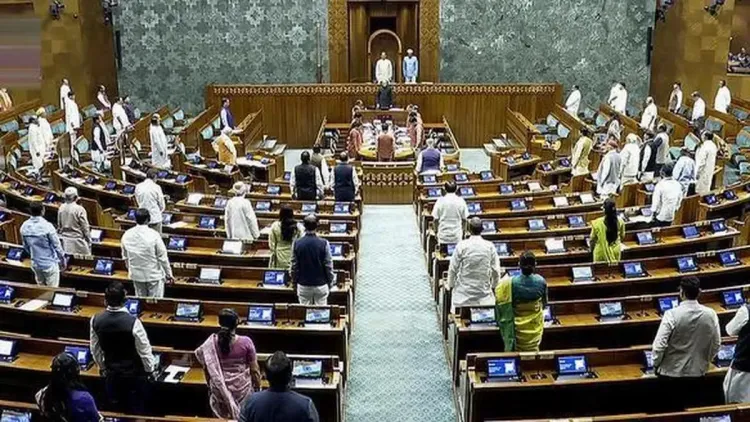
The Lok Sabha may expand from 543 to a maximum of around 850 seats , an increase of nearly 50 per cent .
State Assemblies could have a maximum strength of 650 seats ; Uttar Pradesh could rise from 403 to 650 .
33 per cent reservation for women, including SC and ST women, would be delinked from the 2026 Census and last 15 years with rotating seats.
Inter-state seat allocation would use the 1971 Census ( 131st Amendment ); boundaries would follow the 2011 Census ( 132nd Amendment ).
A new Delimitation Commission would redraw the map before 2029 , with seats and boundaries frozen until 2051 .
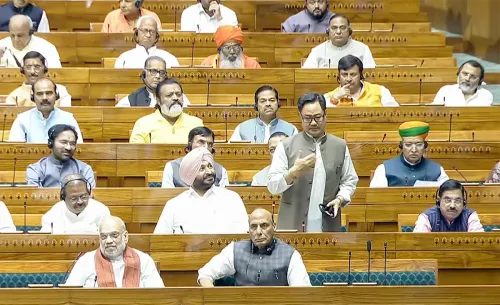
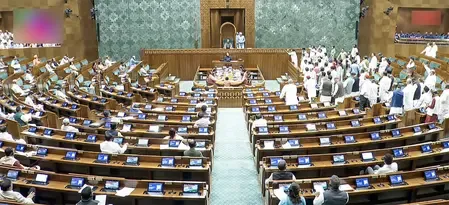
India's electoral map is set for a sweeping redraw, with the Union government's roadmap on delimitation and 33 per cent women's reservation proposing to expand the Lok Sabha from 543 seats to a maximum of around 850 ahead of the 2029 general elections. According to details of the plan that emerged in New Delhi on 28 November, State Assemblies could grow to a maximum of 650 seats. If implemented, the package would be one of the most significant changes to India's Parliament and State Legislatures since Independence.
Key Developments
Under the proposed framework, the strength of the Lok Sabha is expected to rise by nearly 50 per cent. The maximum permissible strength of State Assemblies is also likely to increase to 650 seats.
Uttar Pradesh, the country's most populous and politically most influential state, could see its Assembly grow from the current 403 seats to 650. That would be the largest single jump among the states.
The changes are expected to come through a package of three Bills: two Constitutional amendments and a separate amendment covering Union Territories.
Two Amendments, Two Census Benchmarks
The plan rests on two constitutional amendment proposals that use different census data. Under the proposed 131st Constitutional Amendment, the allocation of seats among states would be based on the 1971 Census.
The proposed 132nd Constitutional Amendment would guide the redrawing of constituency boundaries within states. That exercise would reflect demographic changes recorded in the 2011 Census.
Using 1971 figures for inter-state allocation keeps the existing balance of representation between states. Using 2011 data for boundaries lets constituencies within each state reflect how populations have shifted. Notably, seat allocation among states has been frozen on the basis of the 1971 Census for decades, through successive constitutional amendments.
How Women's Reservation Would Work
The core of the package is the implementation of 33 per cent reservation for women in the Lok Sabha and State Assemblies. The quota would also cover women from Scheduled Castes and Scheduled Tribes, so that they are represented within the overall reservation structure.
Significantly, the reservation is expected to be delinked from the 2026 Census. That linkage has long been a political sticking point and had delayed implementation. The women's reservation law passed by Parliament in 2023 had tied its rollout to a fresh census and delimitation, which pushed its timeline into uncertainty.
The reservation would remain in force for 15 years, or nearly three electoral terms. Reserved constituencies would rotate periodically so that the benefit is spread across regions.
Delimitation Commission and the 2051 Freeze
The reforms envisage a new Delimitation Commission, to be constituted after Parliament approves the package. The commission would restructure constituencies and prepare a revised electoral map before the 2029 Lok Sabha elections.
Another major provision freezes both seat allocation among states and constituency readjustment until 2051. Supporters say this would give long-term certainty and prevent recurring political disputes over representation.
What Happens Next
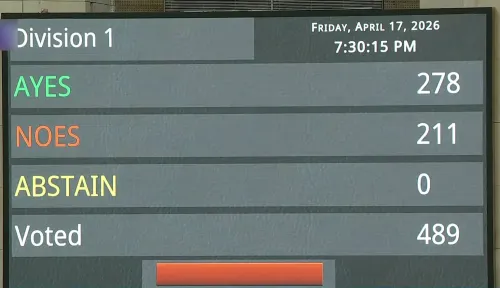
The proposals need parliamentary approval, including the special majorities required for constitutional amendments. The new Delimitation Commission would then have to finish its work within the time left before 2029.
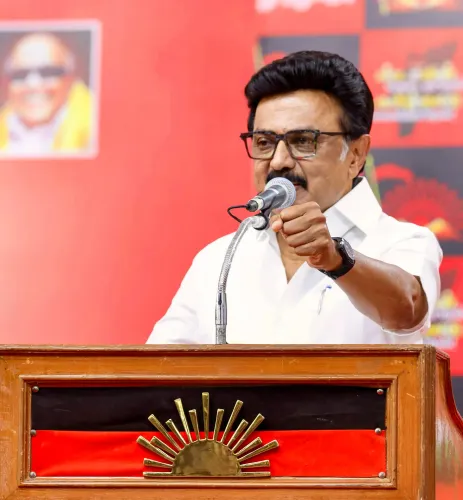
How political parties, especially those in states sensitive to shifts in representation, respond to the Bills will decide whether India's largest electoral overhaul in decades stays on schedule.
Point of View
Designed to calm states that fear losing ground to faster-growing regions. It does so by extending a freeze that has already lasted half a century, now to 2051. That means one Indian's vote will keep carrying unequal weight depending on the state they live in. Delinking women's reservation from the 2026 Census is welcome after years of delay. The harder question is whether a nearly 850-member House improves deliberation or simply enlarges a Parliament that already sits for too few days.
NationPress
28 Nov 2026
Frequently Asked Questions
How many seats will the Lok Sabha have after delimitation?
The Lok Sabha's maximum strength is proposed to rise to around 850 seats from the current 543, an increase of nearly 50 per cent. The expanded House is expected to be in place before the 2029 general elections.
When will women's reservation be implemented in Parliament?
The plan aims to implement 33 per cent women's reservation in the Lok Sabha and State Assemblies before the 2029 elections. The quota is expected to be delinked from the 2026 Census, which had delayed its rollout.
What are the 131st and 132nd Constitutional Amendments?
The proposed 131st Amendment would allocate seats among states based on the 1971 Census. The proposed 132nd Amendment would redraw constituency boundaries using demographic data from the 2011 Census.
How many Assembly seats could Uttar Pradesh get?
Uttar Pradesh's Assembly could expand from 403 seats to 650, the proposed maximum strength for State Assemblies.
How long will women's reservation and the seat freeze last?
Women's reservation would remain in force for 15 years, with reserved constituencies rotating periodically. Seat allocation among states and constituency readjustment would be frozen until 2051.