Constitutional Amendment Bill for Women's Reservation Fails in Lok Sabha
Synopsis
The Lok Sabha's failure to pass the Constitution (131st Amendment) Bill represents a significant political setback, as it sought to implement a one-third reservation for women in legislatures starting in 2029. With the future of women's representation now uncertain, the implications of this defeat are profound.
Key Takeaways
The Lok Sabha's rejection of the Constitution (131st Amendment) Bill marks a significant political setback.
The Bill aimed to establish a one-third reservation for women in legislatures by 2029.
It proposed increasing Lok Sabha seats from 543 to 850, linked to delimitation.
Opposition parties criticized the government for using women's empowerment as a political strategy.
The future of women's representation in India remains uncertain.
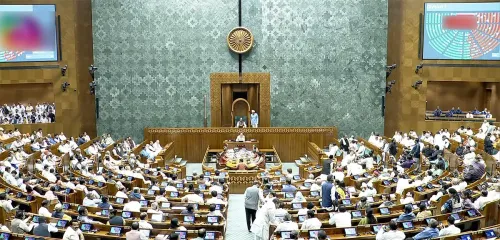
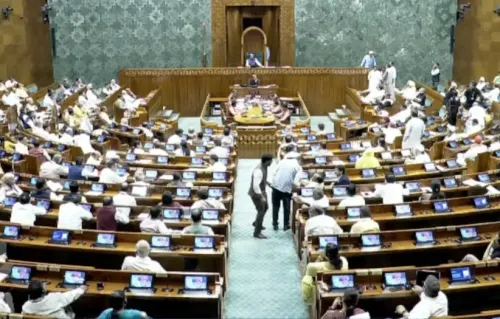
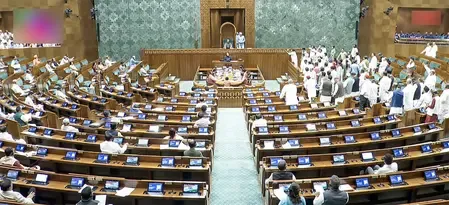
New Delhi, April 17 (NationPress) The Lok Sabha faced a significant setback on Friday as the Constitution (131st Amendment) Bill was dramatically defeated, which aimed to increase the number of seats in the house and establish a one-third reservation for women in legislatures starting in 2029.
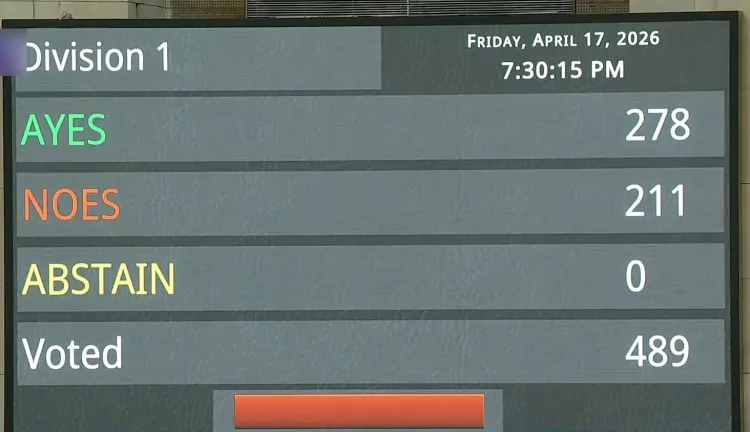
Despite two days of intense discussion, the Bill garnered 298 votes in favor and 230 against, but ultimately failed to achieve the two-thirds majority necessary for constitutional amendments.
The proposed legislation was ambitious, seeking to boost the Lok Sabha's strength from 543 to 850 seats, a plan linked to a long-overdue delimitation process that would alter electoral boundaries based on shifts in population.
Additionally, it aimed to put into action the 33 percent quota for women within both the Lok Sabha and state Assemblies, a reform that had been promised but postponed until after the next delimitation.
The government contended that the expansion and redistribution of seats were essential to address the growing imbalance between voters and their representatives, an issue that has intensified since the last delimitation, which froze boundaries according to the 1971 Census.
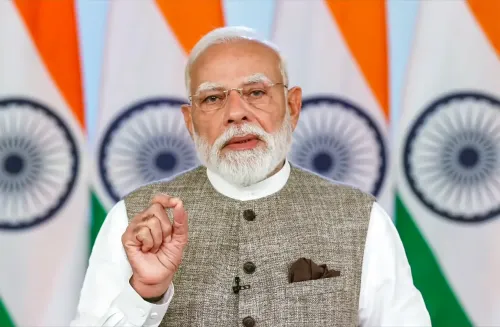
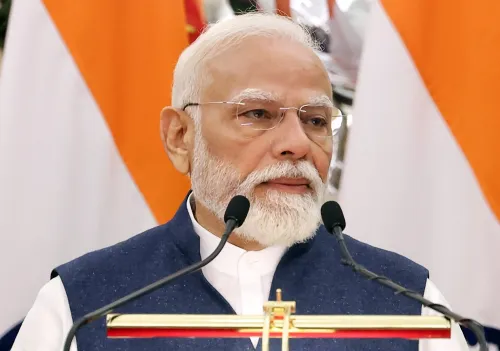
Prime Minister Narendra Modi and Home Minister Amit Shah both advocated for the Bill, cautioning that women throughout the nation were closely monitoring the opposition's position. Shah accused the Congress party of historically obstructing delimitation and asserted that they were once again denying citizens fair representation. He emphasized that linking women’s reservation to delimitation was the sole method to guarantee equity in representation.
Conversely, opposition factions argued that the government was leveraging the promise of women’s empowerment as a guise for a political strategy that would favor northern states with higher population growth, at the expense of southern states that have stabilized their demographics.
The Bill's defeat also meant that two additional related proposals—the Delimitation Bill and the amendment to extend the women’s quota to Union Territories—would not proceed.
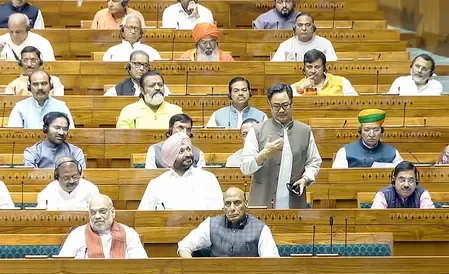
Parliamentary Affairs Minister Kiren Rijiju confirmed that the government would not advance these measures following the setback.
For numerous observers, the rejection highlighted the profound political divides regarding how India should balance representation across regions while promoting gender equality in governance. The outcome leaves the future of women’s reservation in a state of uncertainty. Although the constitutional framework for the quota was established in 2023, its actualization was contingent upon delimitation, and with this defeat, the timeline is now more ambiguous.
This event underscores the challenges of reaching consensus on reforms that intersect with both the structure of representation and the pursuit of gender justice. For the Modi administration, this loss marks a rare legislative reversal, while for the opposition, it signifies a victory in resisting what they perceive as a politically charged initiative. Nevertheless, for women aspiring to serve in legislatures, the wait for guaranteed representation continues, placing one of the most critical reforms of recent years on hold.
Point of View
The opposition raises valid concerns about regional disparities. This situation underscores the complexity of balancing representation with gender justice in a diverse nation.
NationPress
15 Oct 2026
Frequently Asked Questions
What was the purpose of the Constitution (131st Amendment) Bill?
The Bill aimed to increase the number of seats in the Lok Sabha and implement a one-third reservation for women in legislatures starting in 2029.
Why did the Bill fail in the Lok Sabha?
Despite receiving 298 votes in favor, the Bill did not achieve the two-thirds majority required for constitutional amendments.
What are the implications of the Bill's defeat?
The defeat raises questions about the future of women's representation in India and delays the implementation of the promised quota.
How does this affect future legislative reforms?
The rejection indicates the challenges of achieving consensus on reforms related to representation and gender equality.
What did the government argue in support of the Bill?
The government argued that the expansion and redistribution of seats were necessary to correct the imbalance between voters and representatives.