CM Revanth Reddy vows climate policy, Musi revival
Synopsis
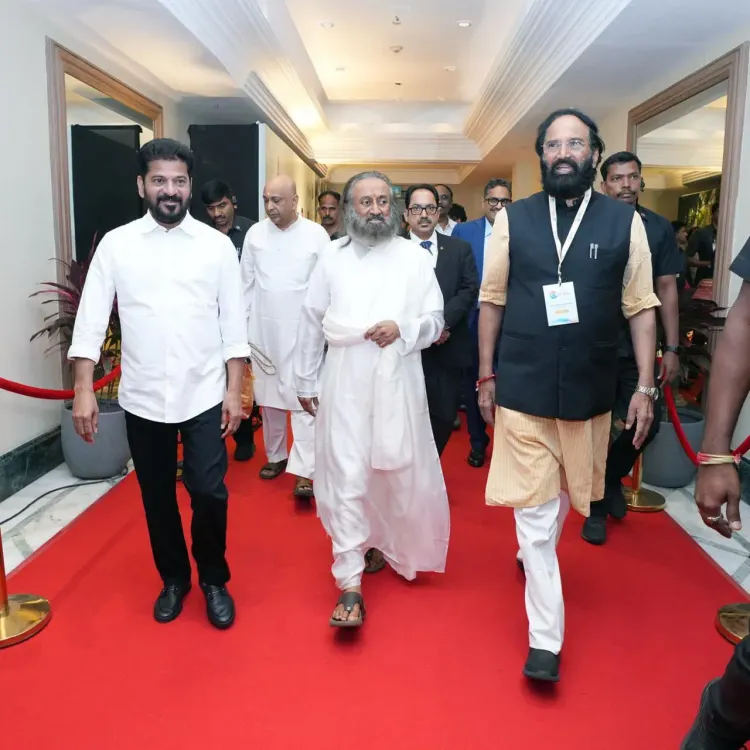
At the Telangana Climate Change Conclave curtain raiser in Hyderabad, Chief Minister A. Revanth Reddy said growth and environmental protection must move together. He pledged a comprehensive climate policy, lake protection through HYDRAA, Musi rejuvenation and a water action plan, invoking Komaram Bheem and the Kakatiya tank legacy.
Key Takeaways
Telangana Chief Minister A.
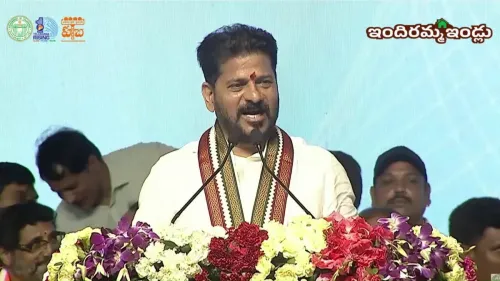
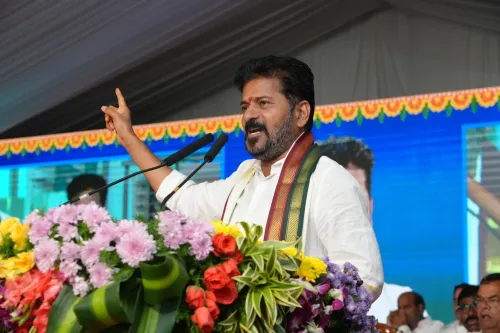
Revanth Reddy spoke at the curtain raiser of the Telangana Climate Change Conclave in Hyderabad on 28 November 2026 .
He said economic growth and environmental protection must go hand in hand and promised a comprehensive climate policy with expert guidance.
The policy, he said, will give equal priority to investment and sustainability.
He invoked Komaram Bheem 's Jal, Jameen, Jangal and the Kakatiya water-conservation legacy.
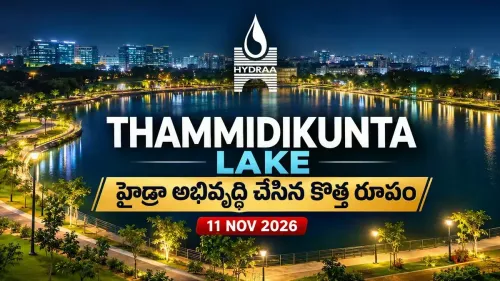
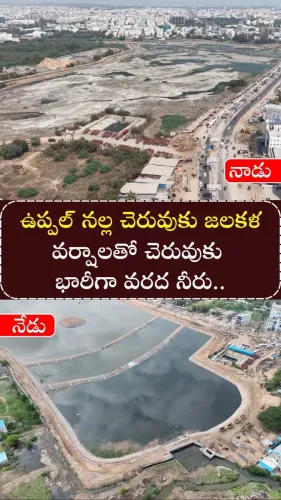
Lake protection through HYDRAA , Musi rejuvenation, and an action plan for water, farmers and drinking water security were listed as priorities.
He called rivers, lakes and forests an inheritance that must be protected for future generations.
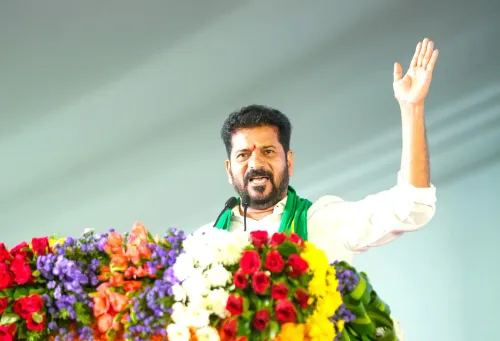
On 28 November 2026 in Hyderabad, Telangana Chief Minister A. Revanth Reddy drew a hard line: the next chapter of growth cannot come at the cost of lakes, rivers and forests. At the curtain raiser of the Telangana Climate Change Conclave, he said the state will write a comprehensive climate policy with expert guidance, giving equal priority to investment and sustainability.
A climate policy that refuses the growth-or-green split
The Chief Minister's own words left little room for delay. Economic growth and environmental protection 'must go hand in hand', he said, promising a policy built with experts rather than a slogan pasted onto an industrial pitch.
That stance sits in a national groove. The National Action Plan on Climate Change of 2008 pushed states to craft their own adaptation strategies as cities swelled and water grew scarce. Reddy, Congress leader and Chief Minister since December 2023, is now parking Telangana in that lane — with water, not carbon accounting, as the sharpest local edge.
Komaram Bheem, Kakatiya tanks and a living water grammar
He did not open with a global template. Inspired by Komaram Bheem's call for Jal, Jameen and Jangal (water, land and forest) and the Kakatiya legacy of water conservation, the government is committed to protecting lakes and rejuvenating the Musi, he said.
Bheem, the Gond tribal martyr, turned those three words into a banner for resource rights across the region. Centuries earlier, Kakatiya rulers of the 12th to 14th centuries stitched the Deccan with tank irrigation. Mission Kakatiya, launched in 2014, later tried to restore that minor-irrigation web. Saturday's speech braided that older grammar into a climate brief.
HYDRAA, Musi rejuvenation and the farmers' water plan
The operational map is both urban and agrarian. Reddy said Telangana is committed to protecting its lakes through HYDRAA and rejuvenating the Musi, the river that cuts through Hyderabad. An action plan is being prepared, he added, to protect water resources, safeguard farmers' interests and ensure drinking water security.
'Our rivers, lakes and forests are an inheritance from our ancestors. Protecting them for future generations is our responsibility,' he wrote, tagging climate resilience and Musi rejuvenation.
For the city's residents, shrinking lakes and a strained Musi are not abstractions. For farmers, tanks and river flows still decide the harvest. What to watch is not the hashtag. It is whether an expert-backed draft appears, and whether lake protection and Musi works get timelines that survive the next construction boom.
The conclave has handed Telangana a script. The test is whether Jal, Jameen and Jangal still hold when the investments arrive.
Point of View
The Chief Minister is folding tribal resource politics and medieval tank culture into Hyderabad's growth story, where lakes and the Musi already collide with real estate. The unresolved tension is familiar across Indian states: can a lake-protection drive and a river plan outrun construction pressure while investment stays on the same poster. The draft policy and Musi milestones will show whether the inheritance line is a governing rule or a curtain-raiser flourish.
NationPress
28 Nov 2026
Frequently Asked Questions
What did Revanth Reddy announce at the Telangana Climate Change Conclave?
He said Telangana will formulate a comprehensive climate policy with expert guidance, giving equal priority to investment and sustainability. Speaking at the curtain raiser in Hyderabad on 28 November 2026, he also pledged lake protection through HYDRAA, Musi rejuvenation and an action plan for water resources, farmers and drinking water security.
What is HYDRAA in the Chief Minister's climate remarks?
A. Revanth Reddy named HYDRAA as the vehicle for protecting Telangana's lakes. He linked that lake shield to Musi rejuvenation and a wider action plan on water resources, farmers' interests and drinking water security.
Why did Revanth Reddy mention Komaram Bheem and the Kakatiyas?
He said the climate and water push is inspired by Komaram Bheem's call for Jal, Jameen and Jangal and the Kakatiya legacy of water conservation. Bheem was a Gond tribal martyr associated with resource rights, and Kakatiya rulers built extensive tank irrigation between the 12th and 14th centuries.
What is the Musi rejuvenation mentioned by the CM?
The Chief Minister said the state is committed to rejuvenating the Musi, the river that runs through Hyderabad, as part of protecting water resources and ensuring drinking water security. He grouped it with lake protection through HYDRAA. No new timeline or budget was specified in the post.
Is Telangana drafting a state climate change policy?
Yes. Revanth Reddy said the government will formulate a comprehensive climate policy with expert guidance. He framed it as giving equal priority to investment and sustainability, consistent with a broader Indian trend of state-level climate and water strategies after the 2008 National Action Plan on Climate Change.