Delimitation, women quota bill: Modi govt nears two-thirds mark
Synopsis
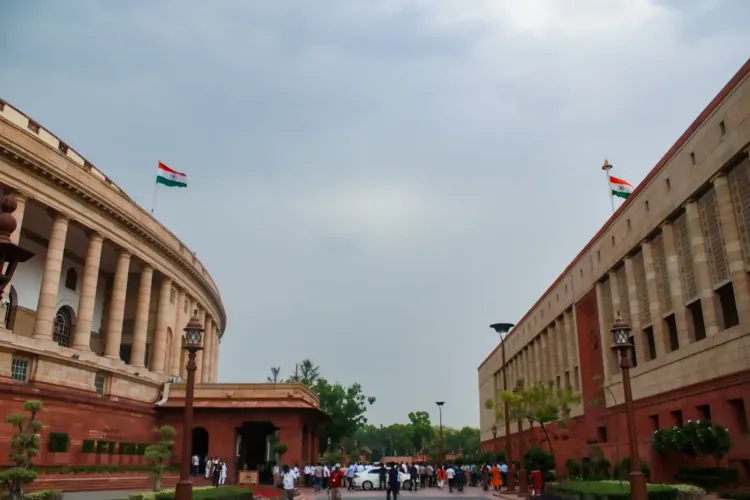
The Bill that failed in April may now pass. By freezing each state's Lok Sabha share and tying delimitation to women's reservation, the Centre has reportedly won over the DMK, YSRCP and BRS. By one count, support could reach 370 in the Lok Sabha against the 360 needed, and opposing parties risk being cast as anti-women ahead of 2029.
Key Takeaways
The Union Cabinet cleared amendments to the delimitation-linked Constitution Amendment Bill that also implements 33 per cent women's reservation.
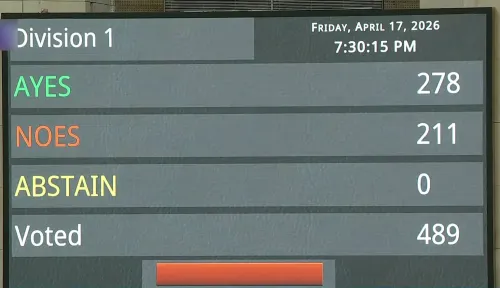
The earlier Constitution (131st Amendment) Bill failed in the Lok Sabha in April after falling short of a two-thirds majority.
With 540 sitting members, the government needs 360 votes; by one count, support could reach 370 .
Stalin demanded that Tamil Nadu's share not fall below 7.18% ; the DMK holds 22 Lok Sabha seats.
In the 244-member Rajya Sabha, the NDA has 145 MPs , 18 short; DMK, YSRCP, BRS, JMM and Sharad Pawar could fill the gap.
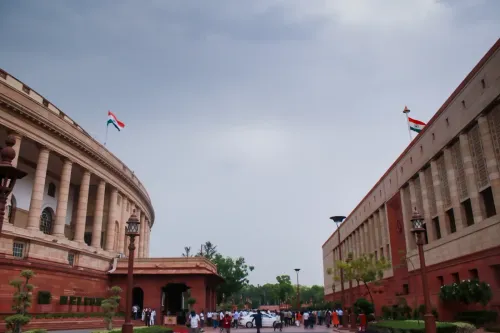
The Union Cabinet has cleared amendments to the Constitution Amendment Bill on delimitation and the rollout of women's reservation. The changes are designed to ease fears, mostly in southern states, that they would lose relative influence in the Lok Sabha. They also aim to lift the Narendra Modi government's chances of securing the special two-thirds majority it needs in Parliament. The development, reported from New Delhi on 27 November 2026, revives a constitutional push that collapsed in the Lower House earlier this year.
Why Southern States Pushed Back
Leaders in Tamil Nadu, Kerala, Karnataka, Andhra Pradesh and Telangana have repeatedly argued that a population-based delimitation would penalise them for successful population-control policies. In their view, it would reward states with faster population growth.
That opposition proved costly. The government's earlier attempt to pass the Constitution (131st Amendment) Bill failed in the Lok Sabha in April, when it fell short of the special two-thirds majority required for a constitutional amendment.
The Centre has repeatedly assured that no state will be disadvantaged. Union Home Minister Amit Shah had earlier offered to amend the Bill to provide a uniform 50 per cent rise in seats.
What Stalin Demanded
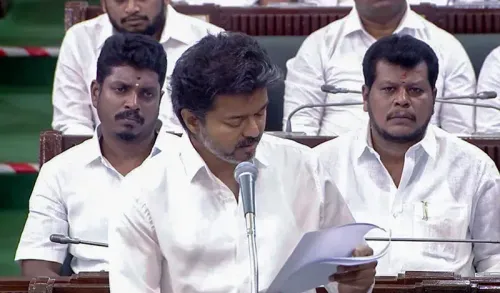
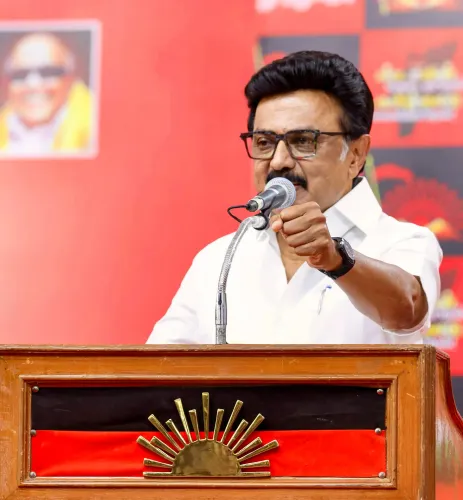
Dravida Munnetra Kazhagam (DMK) leader M. K. Stalin set out his party's position in a social media post on Friday. He demanded that if “the number of parliamentary constituencies is increased, under no circumstances should Tamil Nadu’s share fall below its current 7.18%!”
“A uniform increase across states meets that demand. The existing proportion of parliamentary representation among States, as determined on the basis of the 1971 Census and frozen earlier, must remain unchanged for another 25 years!” he added.
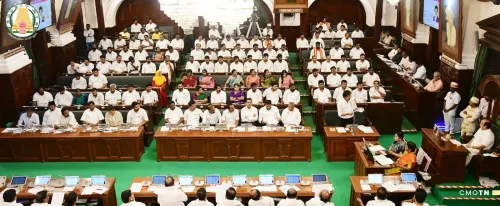
The government has delinked delimitation from an immediate census-based redistribution and ensured a gap in the population count exercise. As a result, no state's proportional share in the Lower House is reduced for that period. Notably, the DMK has already distanced itself from the Congress and the Opposition INDIA bloc, and holds 22 MPs in the Lok Sabha.
The Lok Sabha Arithmetic
The Lok Sabha has a sanctioned strength of 543, with three vacancies at present. The Bharatiya Janata Party (BJP) has 241 members, and its National Democratic Alliance (NDA) partners are estimated to add around 79 more. If all 540 sitting members vote, the government needs 360 votes. That threshold falls if members are absent or abstain.
With an assurance reportedly in place, the DMK, Andhra Pradesh's Yuvajana Sramika Rythu Congress Party (YSRCP) and Telangana's Bharat Rashtra Samithi (BRS), among others, are expected to back the measure. Given the women's empowerment component, several others may also support it. These include the Nationalist Congress Party – Sharadchandra Pawar (NCP-SCP), the Biju Janata Dal (BJD), the Jharkhand Mukti Morcha (JMM) and the breakaway Trinamool Congress group.
Twenty rebel Trinamool MPs have already announced their alliance with the ruling coalition. However, recognition of the Nationalist Citizens Party of India (NCPI), which they claim to represent, is subject to the Speaker's nod.
NCP-SCP leader Supriya Sule has been noncommittal, saying her party will decide after examining the Bill's content. If the party's eight MPs join the backers, the count reaches 370 by this calculation. The JMM's three members could add further support, which would close the gap between the NDA's numbers and the required strength.
The Rajya Sabha Count
In the Rajya Sabha, the NDA had the support of 145 MPs in the 244-member House at the last count. That leaves it 18 members short. The deficit could be bridged by the DMK (eight MPs), YSRCP (four), BRS (three) and JMM (three), along with Sharad Pawar himself, who represents his party.
Political Stakes Ahead of 2029
Backing the revised package lets states claim credit for protecting their numerical weight in Parliament. Opposing it risks accusations of blocking both parliamentary expansion and the long-pending 33 per cent reservation for women in legislatures.
Several state elections are due in the run-up to the 2029 Lok Sabha polls. Women's turnout and electoral influence were visible in recent contests, so few parties may want to be seen opposing the Bill. The real test will come when the amended Bill is put to the vote and pledged support is converted into votes on the floor.
Point of View
But the 1971-era imbalance in representation remains unresolved. Bundling delimitation with women's reservation also leaves parties little room to object to one without being seen to oppose the other. The headcount looks comfortable on paper, yet it rests on rebel MPs awaiting the Speaker's recognition and on parties like the NCP-SCP that have not yet committed.
NationPress
27 Nov 2026
Frequently Asked Questions
What amendments has the Union Cabinet cleared on delimitation?
The Cabinet has cleared amendments to the Constitution Amendment Bill linking delimitation with women's reservation, so that no state's proportional share in the Lok Sabha is reduced. Delimitation has been delinked from an immediate census-based redistribution.
Why did southern states oppose delimitation?
Southern states argued that a population-based delimitation would penalise them for successful population-control policies. In their view, it would reward states with higher population growth by giving them more seats.
How many votes does the government need to pass the Bill in the Lok Sabha?
If all 540 sitting members vote, the government needs 360 votes for the two-thirds majority. By one count, support including the DMK, YSRCP, BRS, rebel Trinamool MPs and the NCP-SCP could reach 370.
What happened to the earlier delimitation Bill?
The Constitution (131st Amendment) Bill failed in the Lok Sabha in April after falling short of the special two-thirds majority required for a constitutional amendment.
What is the NDA's position in the Rajya Sabha?
At the last count, the NDA had 145 MPs in the 244-member Rajya Sabha, 18 short of the requirement. Support from the DMK, YSRCP, BRS, JMM and Sharad Pawar could make up the deficit.