Minister Rijiju announces 4-day special Parliament session
Synopsis
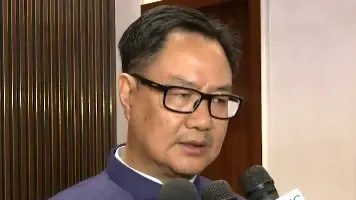
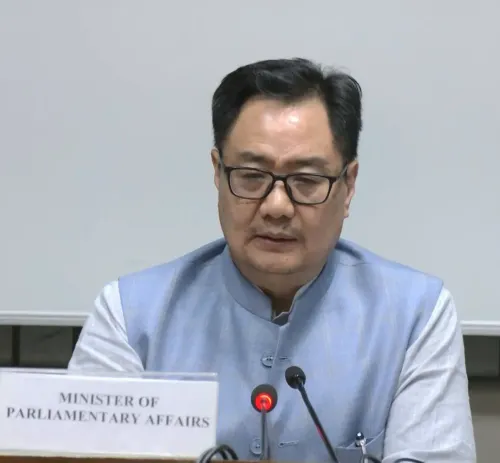
Union Parliamentary Affairs Minister Kiren Rijiju said the government will convene a four-day special session of Parliament to take up extremely important subjects. He urged parties and MPs to debate constructively, warning that the House is not a place for baseless allegations or disruption. Formal dates and the listed agenda are still awaited.
Key Takeaways
Union Parliamentary Affairs Minister Kiren Rijiju said on 27 November 2026 that the government had decided to convene a four-day special session of Parliament.
He said the government would bring extremely important subjects to the House.
Rijiju argued Parliament is a forum for debate, discussion and deliberation, not baseless allegations.
He urged all political parties and MPs to participate constructively and keep proceedings smooth.
Exact sitting dates and the listed agenda were not specified in the announcement.
Special sessions have previously been used for landmark business, including the September 2023 women's reservation amendment.
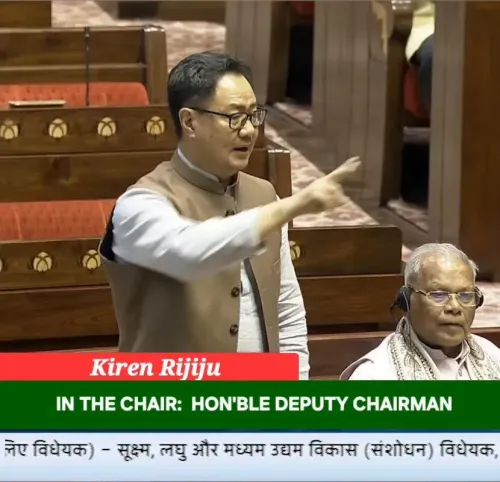
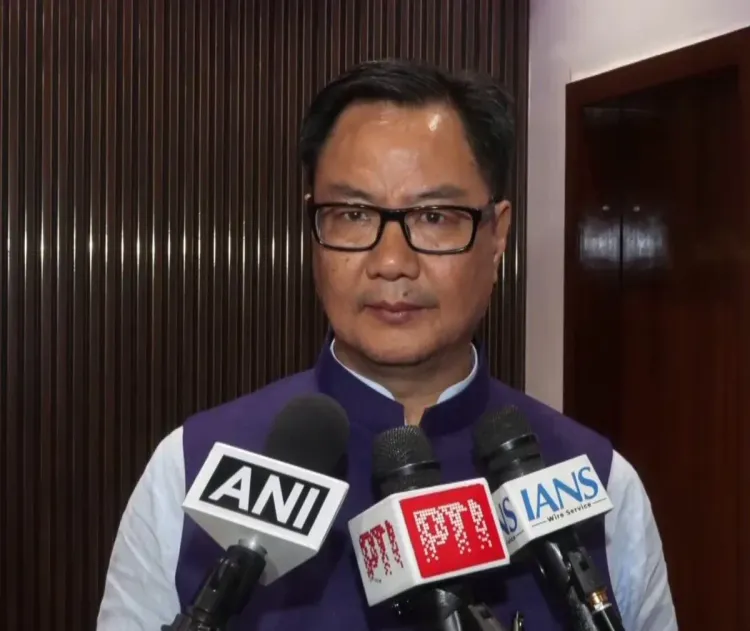
Union Parliamentary Affairs Minister Kiren Rijiju has put Parliament on notice: the government has decided to convene a four-day special session, he said on Friday, 27 November 2026, to bring extremely important subjects before the Houses. The announcement came with a blunt instruction to every party. Debate, he said — not disruption, and not baseless allegations.
Writing first in Hindi, Rijiju said the government had taken a decision to call a char divasiya vishesh satra (four-day special session) of Parliament, adding that the treasury would come to the House with extremely important subjects. He then switched to English: Parliament is the forum for debate, discussion and deliberation, not baseless allegations.
Four-day sitting, no dates or bills named
The minister did not list the dates on which the Houses will sit, nor the bills or motions the government intends to move. In Indian practice those details arrive with a formal notification — the summons that tells MPs when to assemble and what business is listed. That paper is now the next political marker.
Rijiju stressed that the government is fully empowered to convene a special session to address important legislative business. The appeal was aimed as much at the opposition benches as at his own side: participate constructively, engage in meaningful debate, and keep proceedings smooth.
Rijiju's line against disruption
He closed with a direct charge to parties. Let Parliament be a platform for meaningful debate, not political disruption, he wrote. The nation, he added, expects responsible conduct, constructive dialogue and results.
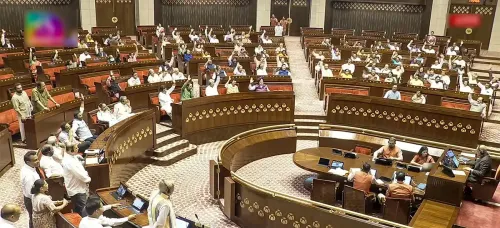
The phrasing lands against a familiar pattern. Recent sittings of both Lok Sabha and Rajya Sabha have often been interrupted by walkouts, slogan-shouting and a stalled Question Hour. Special sittings compress the calendar. A four-day window leaves little room for lost hours.
How special sessions have been used before
Indian governments call special sessions outside the three regular sittings when ordinary time is insufficient or the business is time-critical. One recent marker was the September 2023 special session that passed the Constitution (One Hundred and Sixth Amendment) Act on women's reservation. Those sittings have historically delivered both accelerated law-making and sharp opposition protests over procedure and substance.
MPs and parties now wait for the summons. The test of this four-day sitting will not be the announcement. It will be whether the Houses produce debate and results — or another stalled calendar.
Point of View
Set the agenda, and force every party to choose between engagement and protest. Rijiju's simultaneous warning against disruption places the burden of orderly conduct on the whole House before a single bill is listed. Special sittings have been used both to push through landmark laws, as with the 2023 women's reservation amendment, and as flashpoints when the opposition feels procedure has been truncated. The notification on dates and listed business will show whether this is a focused legislative sprint or a broader political set-piece.
NationPress
27 Nov 2026
Frequently Asked Questions
Has the Indian government announced a special session of Parliament?
Yes. Union Parliamentary Affairs Minister Kiren Rijiju said on 27 November 2026 that the government had decided to convene a four-day special session of Parliament to take up extremely important subjects.
What dates has the four-day special session of Parliament been scheduled for?
Rijiju's announcement did not specify sitting dates. Those details typically come in a formal government notification listing when the Houses will assemble.
What bills will be taken up in the special session of Parliament?
The minister did not name any bills or agenda items. He said the government is coming to Parliament with extremely important subjects, without listing them.
Can the government call a special session of Parliament?
Yes. The government is empowered to summon Parliament for a special sitting to transact legislative business outside the three regular sessions.
Who is Kiren Rijiju?
Kiren Rijiju is the Union Minister of Parliamentary Affairs and Minister of Minority Affairs. He is a senior BJP leader from Arunachal Pradesh.