Naveen Patnaik calls Ganjam flood a 'man-made crisis', slams Odisha govt over Cyclone Arnab response

Synopsis
Naveen Patnaik has gone beyond routine opposition criticism — he is calling Odisha's Ganjam flood a 'man-made crisis' and naming specific administrative failures: IMD warnings ignored since 23 October, dam gates opened too late, and Mission Shakti dismantled. With a 'Palli to Delhi' protest threat on the table, the political heat on Chief Minister Mohan Charan Majhi is set to rise sharply.
Key Takeaways
Naveen Patnaik wrote to Chief Minister Mohan Charan Majhi on 10 November 2026 , calling the Ganjam floods a 'man-made crisis'.
He alleged the state government ignored IMD warnings issued since 23 October , weeks before Cyclone Arnab struck.
Patnaik alleged dam water was released after heavy rains began, compounding flood damage and leaving residents without warning.
He visited flood-hit areas of Hinjili, Sheragada, Aska and Sorada in Ganjam on 7 November , documenting crop losses, infrastructure damage, and loss of lives.
Patnaik alleged the BJP government's near-dismantling of Mission Shakti and neglect of sarpanches weakened community-based disaster response.
The BJD has warned of protests from 'Palli to Delhi' if relief negligence continues.
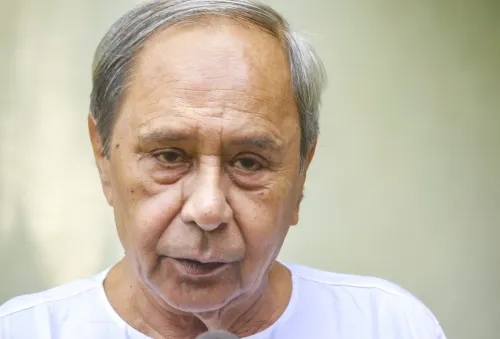
Leader of Opposition and Biju Janata Dal (BJD) president Naveen Patnaik on Tuesday, 10 November 2026, sharply criticised the Odisha state government's handling of Cyclone Arnab and its aftermath in Ganjam district, calling the devastating floods a 'man-made crisis' rooted in administrative negligence. In a letter addressed to Chief Minister Mohan Charan Majhi, Patnaik demanded accountability for the lapses and impartial relief and reconstruction work for flood-affected residents.
Key Allegations Against the State Government
Patnaik alleged that the state government ignored India Meteorological Department (IMD) warnings issued as early as 23 October, weeks before Cyclone Arnab made landfall. He stressed that standard operating procedures for cyclone and flood management mandate advance water release from dams and round-the-clock reservoir monitoring — steps that, he alleged, were not taken in time.
'Water from dams was released by the Water Resources Department after the onset of heavy cyclonic rains. This compounded the floods and caused huge loss of life and property. People have complained that adequate warning was not given to them before the gates were opened,' Patnaik stated in his letter.
Findings from His Ganjam Visit
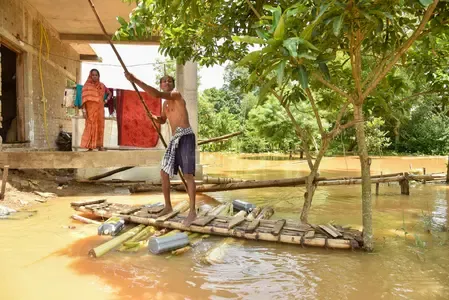
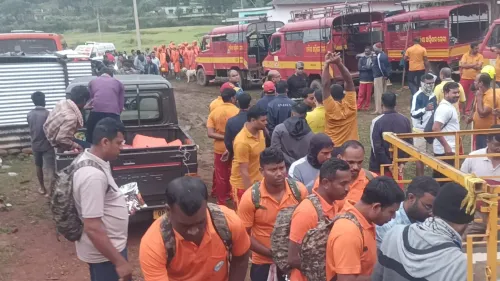
The BJD chief referred to his 7 November visit to flood-affected areas in Hinjili, Sheragada, Aska, and Sorada in Ganjam district, where he interacted directly with affected residents. He said he witnessed massive infrastructure damage, extensive crop losses, loss of lives, and destruction of livelihoods. Patnaik said residents reported being marooned for days without food or water, and that delays in post-flood relief work exacerbated their suffering. He said he had forwarded representations received during the visit to the Special Relief Commissioner for immediate action.
Attack on BJP Government's Disaster Management Framework
Patnaik argued that the previous BJD government had built a community-based, globally recognised disaster management system in which sarpanches, Panchayati Raj Institution (PRI) members, and Mission Shakti self-help groups played a central role. He alleged that the current Bharatiya Janata Party (BJP) government's neglect of sarpanches and the near-dismantling of Mission Shakti have critically weakened this community-based response architecture.
Citing what he described as repeated mishandling of calamities across Ganjam, Kendrapada, Jajpur, Bhadrak, and Baleshwar, Patnaik said the progress made in 24 years of BJD governance should not be 'undone in 24 months by the double engine sarkar'.
Demands and Warning to the Government
Patnaik urged the state government to adopt a 'whole of government' approach to deliver timely compensation, declaring that 'lip service will not work'. He called for stringent punishment for those responsible for the lapses, saying, 'This gross negligence and man-made crisis raises serious issues of accountability. People are demanding strict action against those responsible for such a serious lapse.'
He warned that the BJD would not tolerate negligence in relief work and would launch protests from 'Palli to Delhi' if the government failed to act. This comes amid growing political scrutiny of the state administration's preparedness as cyclone season continues along Odisha's eastern coastline.
Point of View
Putting accountability squarely on the BJP government. The specific allegation about delayed dam releases is the most legally and politically explosive element: if water was held too long and then released in a surge, that is an operational decision with traceable consequences. The BJD's reference to Mission Shakti's near-closure is also pointed — Odisha's community disaster model was internationally recognised, and any visible erosion of it is a reputational liability for the new dispensation. What is missing from the public record so far is the government's rebuttal on the IMD warning timeline, which is the factual crux of the entire dispute.
NationPress
10 Nov 2026
Frequently Asked Questions
Why did Naveen Patnaik call the Ganjam floods a 'man-made crisis'?
Patnaik alleged that the Odisha government ignored IMD flood warnings issued from 23 October and released water from dams only after heavy cyclonic rains had already begun, compounding the flooding in Ganjam district. He argues these were preventable administrative failures, not an unavoidable natural disaster.
What did Naveen Patnaik find during his visit to Ganjam on 7 November?
During his 7 November visit to Hinjili, Sheragada, Aska, and Sorada, Patnaik said he witnessed massive infrastructure damage, extensive crop losses, loss of lives, and destruction of livelihoods. Residents told him they were marooned for days without food or water and received no advance warning before dam gates were opened.
What demands has Patnaik made of Chief Minister Mohan Charan Majhi?
Patnaik has demanded accountability and stringent punishment for those responsible for the flood management lapses. He also called for impartial relief and reconstruction in Ganjam and urged the government to adopt a 'whole of government' approach to ensure timely compensation, warning that 'lip service will not work'.
What protests has the BJD threatened over the Ganjam flood relief?
Patnaik warned that the BJD will not tolerate negligence in relief work and will hold protests from 'Palli to Delhi' — a phrase indicating agitations spanning the village level to the national capital — if the state government fails to act decisively.
How does the current government's disaster response compare to the previous BJD model?
Patnaik contended that his party built a community-based disaster management system over 24 years, involving sarpanches, PRI members, and Mission Shakti self-help groups, which gained global recognition. He alleged the BJP government has neglected sarpanches and near-closed Mission Shakti, weakening the grassroots response network.