Naveen Patnaik renews BJD push for ST status to 169 tribal communities
Synopsis
Speaking on World Indigenous Peoples Day, Naveen Patnaik used his first major tribal-focused address as Leader of Opposition to revive BJD's push for ST status for 169 Odisha communities — a demand submitted to the Centre during his government but still unresolved. It signals BJD's intent to reclaim the tribal vote bank it lost in 2024.
Key Takeaways
Naveen Patnaik reiterated BJD's demand for Scheduled Tribe (ST) status for 169 tribal communities in Odisha on 9 August 2025 .
The demand was first submitted as a formal proposal to the Centre during the BJD government's tenure but remains unresolved.
Patnaik cited BJD's tribal welfare record: Anwesha higher education programme, forest land rights, and Special Development Councils in 23 districts .
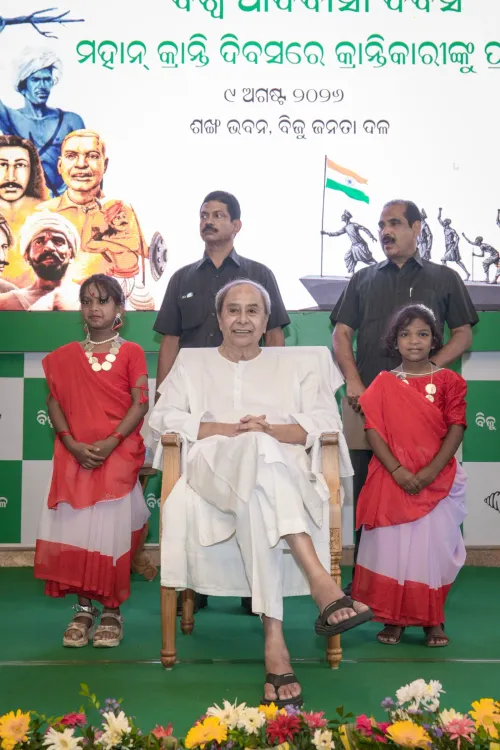
The event was held at the BJD office in Bhubaneswar to mark the International Day of the World's Indigenous Peoples .
BJD, now in opposition after the 2024 Odisha Assembly elections , is repositioning tribal advocacy as a core political plank.
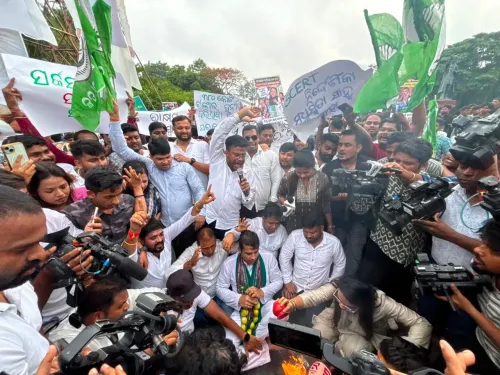
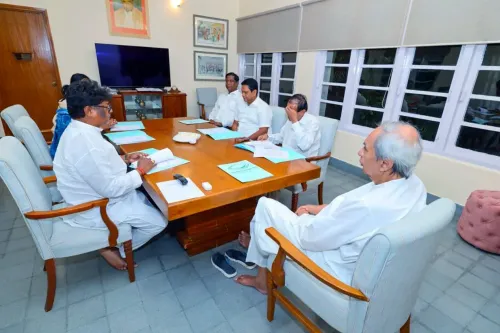
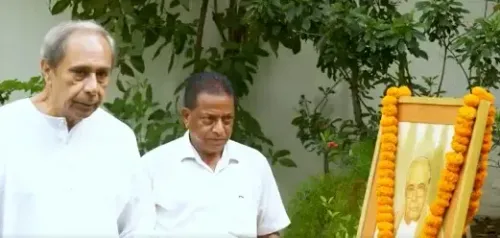
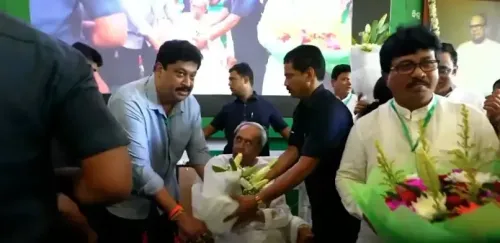
Biju Janata Dal (BJD) president and Leader of Opposition in the Odisha Assembly, Naveen Patnaik, on Sunday, 9 August reiterated his party's demand for the inclusion of 169 tribal communities in the Scheduled Tribe (ST) list, vowing that efforts to secure their formal recognition would continue. He was speaking at a BJD-organised event in Bhubaneswar to mark the International Day of the World's Indigenous Peoples.
Key Developments
Patnaik described the BJD as the 'best friend' of tribal communities, recounting a range of welfare measures implemented during his tenure as Chief Minister. These included granting Panchayats the right to collect forest produce, establishing thousands of hostels for tribal students, launching the Anwesha programme for higher education access, and ensuring forest land rights for tribal families.
He also highlighted the Special Development Councils (SDCs) set up across 23 districts, calling them a unique initiative to protect tribal art, culture, and sacred sites. 'Special Development Councils in 23 districts have made tribals equal partners in development. They became stewards in preserving their own sacred sites, arts, crafts, music and traditions while improving their livelihood,' Patnaik said.
The ST Inclusion Demand
Central to Patnaik's address was the longstanding demand for ST status for 169 tribal communities in Odisha. He noted that a formal proposal was submitted to the Centre during the BJD government's tenure, but the inclusion has not yet been effected. The BJD chief announced that the party would press ahead with efforts to achieve this recognition, framing it as a matter of rights and dignity rather than political expediency.
This comes amid heightened national attention to tribal rights, with 9 August observed globally as the International Day of the World's Indigenous Peoples — a date that amplifies advocacy for indigenous communities across India and beyond.
BJD's Tribal Development Record
Patnaik argued that the empowerment of tribal communities had been the central focus of BJD governance across multiple terms in Odisha. He cited linkages between tribal communities and the broader development process through targeted livelihood programmes, higher education access, and cultural preservation initiatives.
The BJD, now in opposition following its defeat in the 2024 Odisha Assembly elections, is seeking to reaffirm its identity as the primary political champion of tribal welfare in the state — a constituency that proved decisive in past electoral cycles.
What Comes Next
With the demand now formally reiterated from a public platform, the BJD is expected to pursue the ST inclusion proposal through parliamentary and legislative channels. Whether the ruling Bharatiya Janata Party (BJP) government at the Centre responds to the demand will be closely watched, particularly ahead of future electoral cycles in Odisha.
Point of View
And the ST inclusion demand — long pending with the Centre — gives the party a ready-made opposition issue that is both substantive and emotionally resonant. The real question is whether BJD can sustain pressure on a BJP government in New Delhi that has its own tribal outreach agenda. Without a legislative or judicial mechanism to force the Centre's hand, reiterated demands risk becoming ritual rather than remedy.
NationPress
24 Sept 2026
Frequently Asked Questions
What is BJD's demand for 169 tribal communities in Odisha?
The Biju Janata Dal is demanding that 169 tribal communities in Odisha be included in the official Scheduled Tribe (ST) list, which would entitle them to constitutional protections and welfare entitlements. A formal proposal was submitted to the Centre during the BJD government's tenure, but the inclusion has not yet been granted.
Why did Naveen Patnaik raise this demand on 9 August?
9 August is observed globally as the International Day of the World's Indigenous Peoples, making it a significant platform for advocating tribal rights. Patnaik used the occasion to reaffirm BJD's commitment to tribal welfare and to highlight the unresolved ST inclusion demand.
What welfare programmes did the BJD government launch for tribal communities?
According to Patnaik, BJD initiatives included the Anwesha programme for higher education, granting Panchayats the right to collect forest produce, securing forest land rights, establishing thousands of hostels, and setting up Special Development Councils in 23 districts to preserve tribal art, culture, and sacred sites.
What are Special Development Councils and how many exist in Odisha?
Special Development Councils are district-level bodies established during the BJD government to make tribal communities active partners in local development while preserving their cultural heritage. According to Patnaik, they were set up across 23 districts in Odisha.
What happens next with the ST inclusion demand?
The BJD has pledged to continue pursuing the demand through available channels. The ruling BJP government at the Centre has yet to respond publicly to the reiterated demand, and its resolution will likely depend on political and legislative developments at the national level.