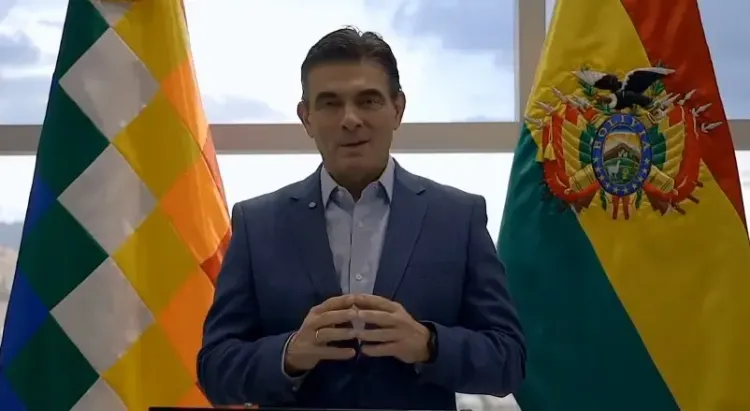
Bolivian President Calls for Unity Among Future Local Leaders to Address National Crisis
Synopsis
In a crucial call to action, Bolivian President Rodrigo Paz Pereira emphasizes the need for future local authorities to unite with the central government to tackle pressing economic and institutional challenges amid the ongoing elections.
Key Takeaways
Collaboration urged between future local leaders and the central government.
Over 5,400 officials to be elected.
More than 7.4 million voters expected.
Significant deployment of personnel for election security .
National recovery is a priority for the new authorities.
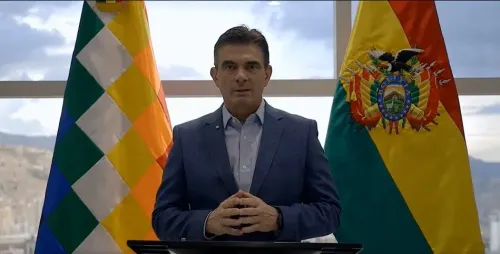
La Paz, March 23 (NationPress) Bolivian President Rodrigo Paz Pereira urged upcoming subnational leaders to collaborate with the central government in addressing the nation's economic and institutional hurdles.
This call came after he cast his vote in the southern city of Tarija on Sunday (local time), coinciding with elections to appoint over 5,400 officials, including governors, mayors, and local legislators for the 2026-2031 term.
"We will collaborate with those chosen by the people's will," he asserted, emphasizing that these elections represent a chance to bolster democracy and promote citizen engagement.
He indicated that the present circumstances necessitate synchronized efforts among the central government, regional authorities, and the legislature to achieve a unified agenda for national recovery, according to reports from Xinhua news agency.
The president also underscored his administration's advancements in economic management, international relations, security, and anti-corruption initiatives.
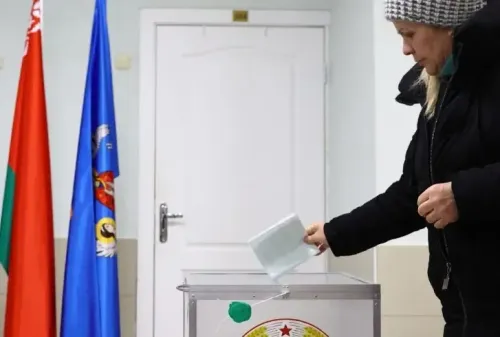
More than 7.4 million eligible voters were anticipated to participate in the elections across over 33,000 polling stations.
Around 250,000 personnel were mobilized nationwide to ensure transparency and security during the subnational elections where over 7.4 million citizens were set to vote.
According to Carlos Alberto Goitia, a member of the Supreme Electoral Tribunal (TSE), the deployment spanned all nine departments and 340 municipalities, where more than 5,400 authorities will be elected for the 2026-2031 term.
The personnel included over 200,630 electoral jurors assigned to more than 33,000 polling stations, alongside temporary staff, police, military forces, and prosecutors.
Approximately 18,000 candidates were contesting in the elections, highlighting the scale and complexity of the process. Around 17,000 temporary workers aided in the preliminary results transmission system to deliver early voting trends.
More than 32,000 police officers were deployed to guarantee election security, with the armed forces providing logistical support.
Point of View
President Paz Pereira's call for collaboration among future local authorities is a crucial step towards addressing Bolivia's pressing challenges. The elections serve as a pivotal moment for strengthening democracy and ensuring that elected officials work together for national recovery.
NationPress
22 Sept 2026
Frequently Asked Questions
What did President Paz Pereira urge future authorities to do?
He urged them to collaborate with the central government to tackle the economic and institutional challenges facing Bolivia.
How many officials are being elected?
Over 5,400 officials, including governors, mayors, and local legislators, are being elected for the 2026-2031 term.
How many voters are expected to participate in the elections?
More than 7.4 million eligible voters are anticipated to participate.
What measures are in place for election security?
Around 250,000 personnel, including over 32,000 police officers, have been deployed to ensure transparency and security.
What is the significance of these elections for Bolivia?
These elections represent a crucial opportunity to strengthen democracy and encourage citizen participation in governance.