Bolivia state of emergency declared to end 50-day road blockades
Synopsis
After nearly 50 days of road blockades that choked fuel, food, and medicine supplies, Bolivia's President Rodrigo Paz has invoked the newly enacted Law 1740 to declare a state of emergency — a dual-track move that keeps dialogue open while threatening firm action against groups the government links to narco-terrorism. The legislature now has 72 hours to decide whether the emergency stands.
Key Takeaways
Bolivian President Rodrigo Paz declared a state of emergency on 20 June to restore road traffic disrupted for nearly 50 days .
Blockades by trade unions, farmer groups, and indigenous communities have caused fuel, food, and medical supply shortages since early May .
The declaration is backed by Law 1740 , a 27-article statute enacted earlier this month; the Plurinational Legislative Assembly has 72 hours to rule on it.
On Thursday , the government signed a dialogue agreement with the Bolivian Workers' Central , a key protest group.
Some farmer and indigenous groups are reportedly still maintaining blockades despite the agreement.
Paz warned groups linked to 'narco-terrorism' that the state would act firmly under the law.
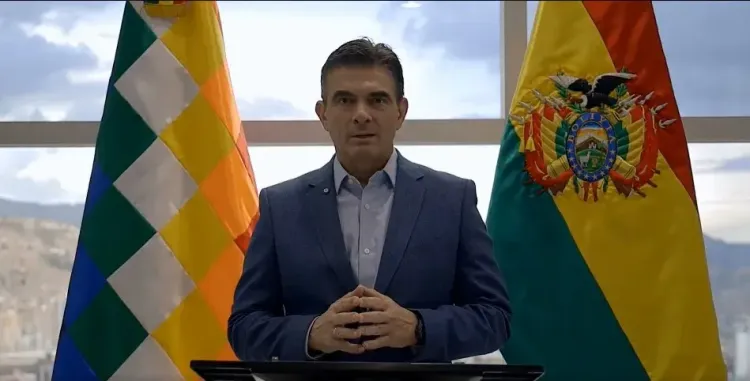
Bolivian President Rodrigo Paz declared a state of emergency in the early hours of Saturday, 20 June, invoking newly enacted Law 1740 to restore road traffic across the country after nearly 50 days of nationwide blockades that have disrupted fuel, food, and medical supply chains. The declaration, made from the government headquarters in La Paz, marks the most assertive federal response yet to a wave of civil unrest that began in early May.
What Triggered the Emergency Declaration
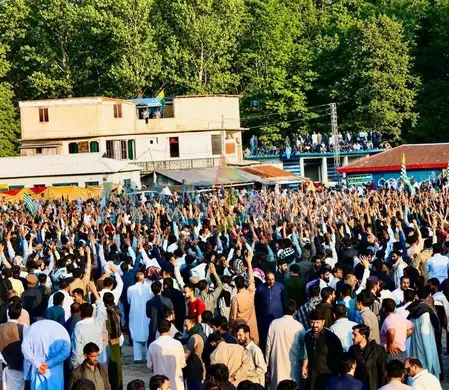
Road blockades staged by trade unions, farmer organisations, and indigenous groups have paralysed transportation networks since early May, with protesters citing fuel shortages and rising living costs as their core grievances. The sustained disruptions have caused shortages in several Bolivian cities and dealt what observers describe as a heavy blow to economic activity.
Speaking at the government headquarters, President Paz said Bolivians could no longer remain 'hostages' to blockades that prevent people from working, studying, receiving medical care, obtaining essential goods, and supporting their families. 'This state of emergency is not intended to take away normality, but to restore it,' he said.
What Law 1740 Allows
The emergency rests on legal scaffolding that Paz himself enacted earlier this month. Law 1740 — a 27-article statute — authorises the president to declare a state of emergency through a supreme decree in situations involving threats to state security, external threats, internal unrest, or natural disasters. The decree must be submitted to the Plurinational Legislative Assembly, Bolivia's national legislature, which has 72 hours to rule on it. Paz confirmed the measure carries institutional backing and was approved by a qualified majority in the assembly. The law also guarantees fundamental rights during implementation and defines the roles of police, armed forces, and prosecutors.
Dialogue Still on the Table
On Thursday, the Bolivian government signed an agreement with the Bolivian Workers' Central — a key participant in the protest movement — committing both sides to address pending demands through dialogue. The agreement has been widely viewed as a significant step toward resolving the country's prolonged social unrest. Paz stressed that the government's doors would remain open to all those willing to engage in good-faith dialogue. 'Meanwhile, Bolivia needs to recover its roads, guarantee supplies and return to normality,' he said.
However, some farmers and indigenous groups are reportedly continuing to maintain blockades, and transportation networks across the country have yet to fully normalise, underscoring the limits of the pact with the workers' federation alone.
Warning to 'Narco-Terrorism' Links
While reiterating dialogue as his government's primary tool, Paz issued a firm warning to groups he described as violent and connected to 'narco-terrorism', stating that the state would act decisively under the law. The declaration is notable for its dual track: an outstretched hand to legitimate protesters and a harder line against those the government accuses of exploiting the unrest.
What Happens Next
The Plurinational Legislative Assembly must rule on the emergency decree within 72 hours. With the Bolivian Workers' Central now in a dialogue framework, attention shifts to whether farmer and indigenous groups still maintaining blockades will join negotiations or intensify pressure. The resolution of the crisis will hinge on whether the government can deliver on the demands — chiefly around fuel access and cost-of-living relief — that originally sparked the protests nearly two months ago.
Point of View
Farmers, and indigenous groups. Law 1740 gives the move legal cover, but the 72-hour legislative clock means this is as much a political manoeuvre as an operational one. The real test is whether the dialogue deal with the Bolivian Workers' Central holds long enough to peel away the remaining blockaders, or whether the 'narco-terrorism' framing hardens resistance. Bolivia has a long history of governments that declared emergencies and then had to negotiate their way out anyway — the question is whether Paz has enough credibility left to make this one stick.
NationPress
19 Sept 2026
Frequently Asked Questions
Why did Bolivia's president declare a state of emergency?
President Rodrigo Paz declared a state of emergency on 20 June to restore road traffic after nearly 50 days of nationwide blockades that disrupted fuel, food, and medical supplies. The protests, led by trade unions, farmer organisations, and indigenous groups, were triggered by fuel shortages and rising living costs.
What is Bolivia's Law 1740?
Law 1740 is a 27-article statute enacted by President Paz earlier in June 2025 that authorises the president to declare a state of emergency via supreme decree in situations of internal unrest, security threats, or natural disasters. The decree must be reviewed by the Plurinational Legislative Assembly within 72 hours.
Has any agreement been reached with the protesters?
On Thursday, the Bolivian government signed a dialogue agreement with the Bolivian Workers' Central, a key participant in the protest movement, committing both sides to address pending demands. However, some farmer and indigenous groups are reportedly still maintaining blockades.
What powers does the state of emergency grant?
Under Law 1740, the emergency decree defines the roles of police, armed forces, and prosecutors in restoring order, while guaranteeing fundamental rights during implementation. The president can act to restore state security and economic normality, subject to legislative oversight within 72 hours.
How long have the blockades been in place?
Road blockades have been in place across Bolivia since early May 2025, lasting approximately 50 days by the time of the emergency declaration on 20 June. The sustained disruption has caused supply shortages in several cities and significantly impacted economic activity.