How is Radio Celebrated as a Trusted Voice by PM Modi on World Radio Day?
Synopsis
Prime Minister Narendra Modi honors radio's role as a vital communication tool on World Radio Day, emphasizing its impact in connecting people from different walks of life. Through initiatives like 'Mann Ki Baat', he showcases radio's transformative power, encouraging public participation and reinforcing its significance in contemporary society.
Key Takeaways
Radio as a trusted communication medium Significance of 'Mann Ki Baat' All India Radio's vast reach Impact on marginalized communities Radio's adaptability in a digital age
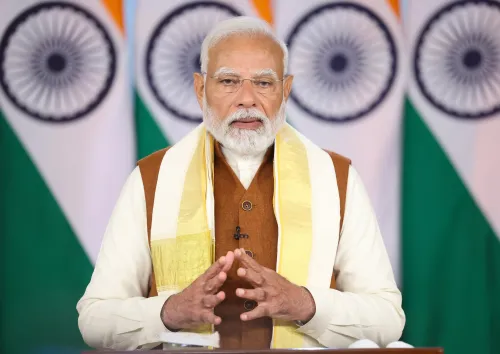
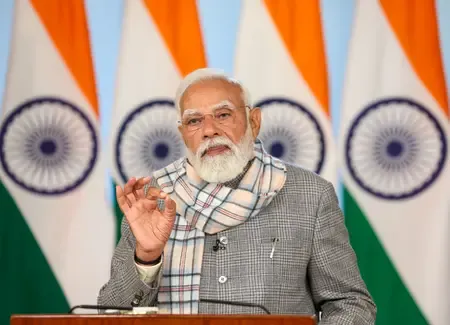
New Delhi, Feb 13 (NationPress) Prime Minister Narendra Modi emphasized the lasting significance and transformative influence of radio in his address commemorating World Radio Day. He referred to it as a “trusted voice” that bridges connections between remote villages and busy urban centers.
In a message shared on X, the Prime Minister stated, “World Radio Day is dedicated to honoring a medium that serves as a trusted voice for the populace, whether in isolated villages or thriving cities. Over the years, radio has provided timely updates, showcased talent, and inspired creativity. Today is a moment to recognize the contributions of all those involved with this medium.”
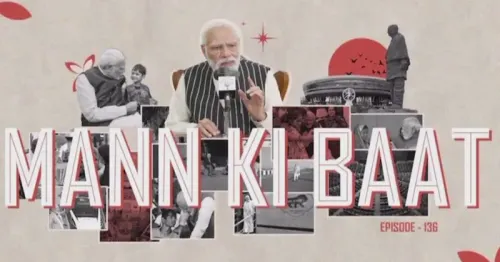
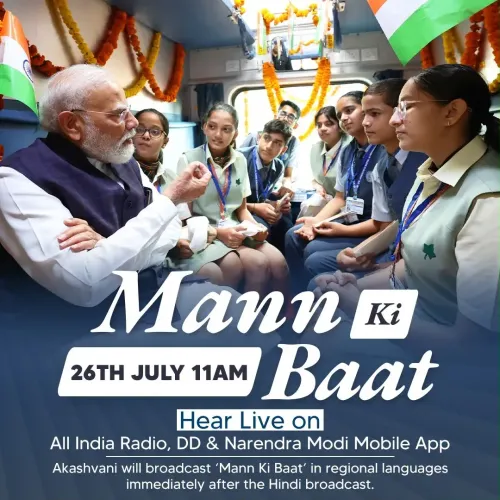
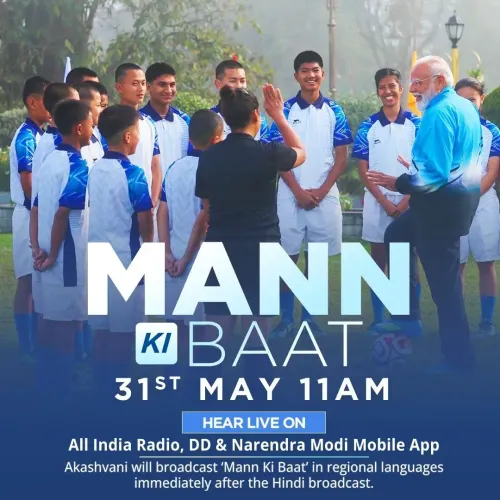
Focusing on his monthly radio program, ‘Mann Ki Baat’, the Prime Minister highlighted its development into a distinct platform for engaging directly with citizens.
“Through #MannKiBaat, I have witnessed the incredible capacity of radio to unveil the collective strength of our society. This month's episode is set for Sunday, February 22nd. I invite you to share your thoughts for the program,” he remarked.
His statements reflect the ongoing significance of radio as one of the most vibrant, adaptive, and engaging forms of communication.
In spite of rapid technological changes and the rise of digital platforms, radio has successfully evolved, providing innovative and interactive avenues for audience involvement.
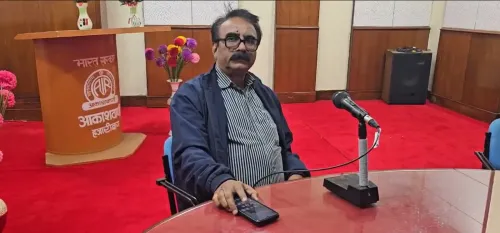
In India, All India Radio (AIR), the national broadcaster and leading public service entity, stands as one of the largest broadcasting organizations globally. With a vast reach in terms of languages and the diverse socio-economic and cultural backgrounds it serves, AIR has a significant presence. Its domestic network consists of over 400 stations nationwide, connecting nearly 92 percent of India’s geographical landscape and 99.19 percent of the total population. The broadcaster creates content in 23 languages and 146 dialects, mirroring the country's rich linguistic diversity.
Radio continues to be a potent and economical means of communication, especially effective in reaching out to remote populations and marginalized groups, including the illiterate, individuals with disabilities, women, youth, and economically disadvantaged communities.
By providing a platform for public discourse regardless of educational status, radio enhances democratic engagement and social inclusivity, affirming its role as a crucial medium in modern India.
Point of View
It's essential to recognize the impact of radio as a medium that not only informs but also empowers citizens. PM Modi’s acknowledgment of radio on World Radio Day reinforces its significance in maintaining democratic values and fostering public discourse in our diverse society, ensuring that every voice is heard, especially from marginalized communities.
NationPress
28 Sept 2026
Frequently Asked Questions
What is World Radio Day?
World Radio Day is celebrated on February 13th to recognize the unique power of radio as a medium for communication and its role in promoting dialogue, tolerance, and peace.
What is 'Mann Ki Baat'?
'Mann Ki Baat' is a monthly radio program hosted by Prime Minister Narendra Modi, where he addresses various social issues and engages with the public.
How does radio impact rural communities?
Radio serves as a vital tool for communication in rural areas, providing timely information and entertainment while reaching audiences that may lack access to other media.
What is the reach of All India Radio?
All India Radio broadcasts in over 23 languages and 146 dialects, covering nearly 92% of India's geographical area and reaching 99.19% of the population.
Why is radio important in today's digital age?
Despite the rise of digital technology, radio remains a low-cost, accessible medium that connects diverse communities and fosters social inclusion.